

In this article
How to Launch a Tech Product on Kickstarter
Not all Kickstarter campaigns play by the same rules.
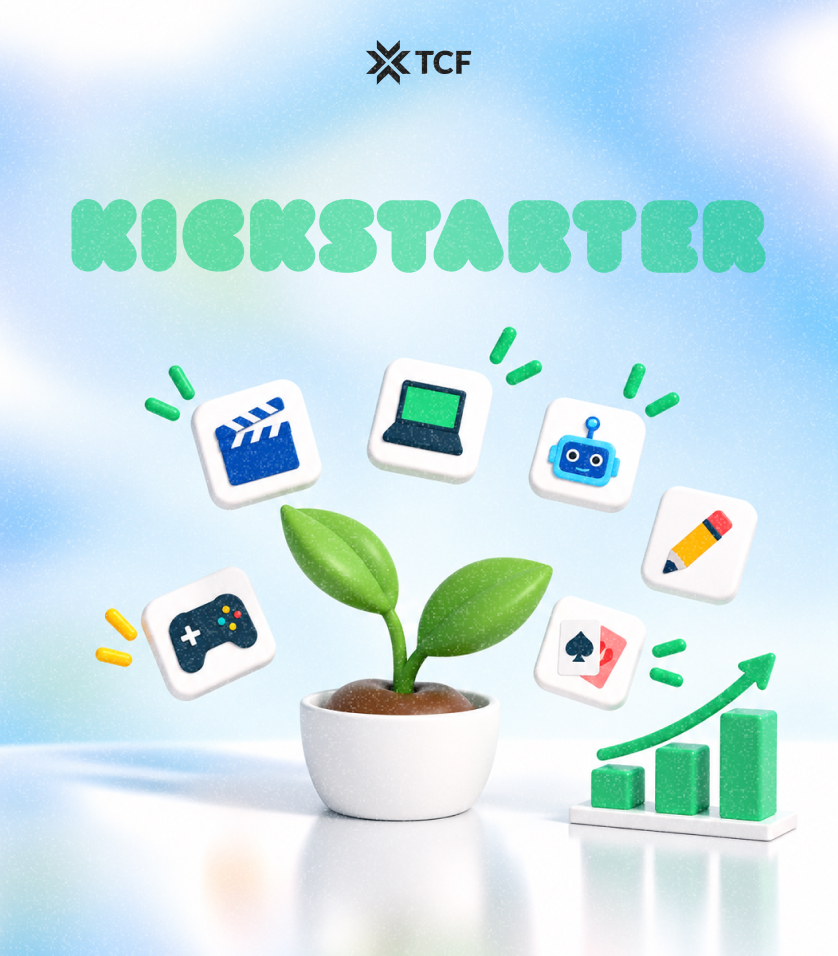
A card game, a tote bag, and a tech gadget might live on the same platform, but they come with very different levels of chaos. Today, we’re talking about tech.
The numbers make that gap hard to ignore. While Kickstarter’s overall success rate sits around 40%+, the Technology category drops much lower, closer to ~25%, as Salvador Briggman pointed out.
The reason is simple.
Beyond launching a product, you’re launching manufacturing, compliance, logistics, and customer expectations all at once, usually for the first time, and in public.
In this guide, we’ll break down what it actually takes to launch a tech product on Kickstarter, along with the tech-specific challenges that tend to catch founders off guard and quietly kill campaigns before they even get a chance to work.
Key Takeaways
- Tech campaigns are more complex, so performance varies more without strong preparation. Manufacturing, compliance, and logistics are part of the launch.
- Validate demand before you build anything. Clicks, sign-ups, and especially small paid reservations tell you if the idea has real pull.
- Clarity wins over complexity. If people don’t instantly understand what your product does and why it matters, they won’t stick around.
- Your pre-launch list drives your launch. A warmed-up, committed audience is what creates early momentum and funding.
- Trust is built through proof. Working prototypes, real demos, influencers, and PR all reduce risk in the buyer’s mind.
- Launch is for rollout, so your messaging, creative, offer, and channel plan should already be tested by launch date.
[[cta2]]
Common Challenges When Launching a Tech Product on Kickstarter
Tech products come with a set of challenges that don’t show up in most other Kickstarter categories, or they do but they tend to hit much harder here. Here are the key ones to be aware of.
1. The Clarity Problem
Tech products are harder to explain than they seem.
You’re dealing with features, specs, and underlying tech that make sense to you, but not to someone scrolling your page for 10 seconds.
If it’s not instantly clear:
- what it does
- why it matters
- how it fits into their life
they leave.
This is where understanding backer psychology matters. People aren’t analyzing your product deeply, they’re scanning for quick signals that tell them what it does, why it matters, and if they can trust it.
2. The Prototype-to-Production Gap
A working prototype proves your product can exist once. It doesn’t prove it can be produced consistently at scale.
This gap shows up early, but the consequences hit later, when things stop working as expected in production.
3. Manufacturing and MOQ Constraints
Your funding goal is dictated by production reality:
- Minimum order quantities
- Tooling costs
- Component sourcing
These constraints shape your launch before it happens, and limit your flexibility once it’s live.
4. Compliance and Certification
Electronics bring requirements like FCC, CE, and EMC, so you need to factor them into your product design early and budget for testing.
Otherwise, you risk delays, unexpected costs, and changes that ripple through your entire launch.
5. Battery and Shipping Constraints
If your product includes lithium batteries, shipping becomes a constraint:
- Limited transport options
- Higher costs
- Longer timelines
This impacts your pricing, delivery promises, and fulfillment strategy from the start.
Step by Step Guide on How to Launch a Tech Product on Kickstarter
Now let’s walk through the key steps that go into launching a tech product on Kickstarter, each one focused on a specific part of the process, from validating demand to actually going live.
Step 1. Validate Demand Before You Build Anything
Before you spend time or money on a prototype, you need proof that people actually want this product.
Start with a simple setup:
- Create a basic landing page (headline, product idea, key benefit, email capture)
- Run paid traffic to it (Meta or TikTok is enough to start)
- Focus on one clear use case, not five features fighting for attention
You can also use platforms like Prelaunch.com to test demand and collect early signals in a more structured way.
And if you want a stronger signal, ask for a small paid reservation. Depending on your product price, even a $1-$20 deposit filters out casual interest and gives you a much clearer read on real demand.
People clicking is one thing. People putting down even a small amount of money is a much clearer sign that your product has real demand.
What you’re looking for:
- People clicking
- People signing up
- People committing
If you’re not seeing meaningful traction or early commitment signals, don’t move forward yet.
No traction here usually means no traction later, just with higher costs.
Step 2: Test Pricing, Positioning, and Messaging
Once you see early signs of demand, this is where you start refining what actually makes people convert.
Set up structured tests:
- Create 2-3 variations of your landing page
- Change one variable at a time (price, headline, angle)
- Send paid traffic evenly across them
What to test:
- Price points: Does demand drop sharply at certain levels?
- Core angle: Is this a convenience product, a cost-saver, a performance upgrade?
- Messaging clarity: Do people understand it instantly, or hesitate?
Watch for:
- Conversion rate differences between versions
- Drop-offs when price changes
- Comments or feedback that show confusion
This step tells you:
- What people actually care about
- What they’re willing to pay
- What’s unclear or unnecessary
Don’t move forward until one version clearly outperforms the others.
Step 3: Build a “Looks Like, Works Like” Prototype
Once demand and positioning are validated, you need something real.
Not a concept. Not a render. Something that actually works.
Your prototype should:
- Demonstrate the core functionality
- Be stable enough to show on camera
- Reflect what you plan to manufacture
You’ll use this for:
- Getting approval from KS to launch
- Ads and content
- Influencer outreach
- PR coverage
- Your Kickstarter page
If your product can’t be clearly demonstrated, it becomes much harder to explain, trust drops, and conversion suffers.
This doesn’t need to be production-perfect, but it needs to be convincing.
If it only works under perfect conditions, people will notice.
Step 4: Pressure-Test Manufacturing and Compliance
Now that you have a working prototype, you need to answer a less fun question:
Can this actually be produced and delivered at scale?
Start by getting real inputs:
- Talk to 2-3 manufacturers
- Get rough quotes for production, tooling, and assembly
- Ask about minimum order quantities (MOQ)
- Identify components that could cause delays or shortages
At the same time, map out your compliance requirements:
- FCC, CE, EMC, depending on your product and markets
- What testing is required
- Estimated cost and timeline
You don’t need everything finalized, but you need enough clarity to:
- Price your product realistically
- Set a believable delivery timeline
- Avoid surprises that force redesigns later
If this step is vague, your entire launch is built on assumptions.
Step 5: Create Content That Makes the Product Obvious
Now that you have a real prototype, you need content that explains it fast.
Your Kickstarter video is doing most of the heavy lifting here, so it needs to show the product clearly, explain the value fast, and give people a reason to care within seconds.
Start producing:
- Short-form videos (10-30s) showing the product in use
- Clear demos (what it does, before/after, real scenarios)
- Simple explanations of the core benefit
Focus on one thing per piece of content:
- One problem
- One outcome
- One reason to care
Then test it:
- Run ads with different creatives
- Compare watch time, CTR, and engagement
- Kill anything that needs too much explanation
If people don’t understand your product from the content alone, they won’t understand it on your Kickstarter page either.
Step 6: Build and Nurture Your Pre-Launch List
Now that your content is working, you turn that attention into something you control.
Your goal is simple: build a list of people you can activate on Day 1.
Start with:
- A pre-launch landing page that converts (clear offer, no distractions)
- Paid traffic driving consistent sign-ups
- A strong reason to join
This is where VIP reservations come in.
Instead of only collecting emails, give people the option to reserve their spot with a small paid deposit. This locks in their early-bird pricing and filters out low-intent sign-ups before launch.
This does two things:
- Filters out low-intent users
- Gives you a much clearer signal of real demand
Then nurture the list:
- Send updates
- Share progress, prototype improvements, behind-the-scenes
- Reinforce why the product matters
- Keep trying to convert leads into VIP reservations
You don’t want a big list. You want a ready list.
People who:
- Remember you
- Understand the product
- Are already mentally committed
That’s what drives Day 1 momentum.
Step 7: Lock in PR and Influencer Coverage Before Launch
Don’t make the mistake of thinking this is optional, especially for tech. A big part of this comes down to how you approach promoting your Kickstarter campaign, and getting your product in front of the right audiences before launch.
Start this process around 3-4 weeks before launch, lining up PR coverage and influencer content in advance so everything goes live together and drives early traction. That kind of coordination is what consistently leads to stronger launch performance and faster momentum in the first days.
For PR:
- Build a list of relevant outlets (tech blogs, niche publications)
- Pitch a clear story, not “we’re launching on Kickstarter”
- Offer early access, demos, or embargoed info
For influencers (especially YouTube):
- Focus on creators who actually explain products
- Send working prototypes
- Give them time to test and create content
- Agree on a launch window for publishing
What you’re aiming for:
- Content and articles going live around launch
- Real demonstrations from third parties
- External validation that builds trust
Step 8: Build a Kickstarter Page That Converts
Your Kickstarter page needs to help people understand the product fast, trust it, and feel ready to back it without overthinking.
If you need a reference point for how to structure your page, you can use frameworks like this Kickstarter campaign template to make sure you’re covering all the key sections without overcomplicating it.
Start with the hero section, this is where most decisions happen:
- A clear, benefit-driven headline (what it does and why it matters)
- A strong visual or video showing the product in use
- A visible call to action tied to early access or pricing
If someone lands here and doesn’t immediately get it, they won’t scroll.
Structure the page intentionally:
- Top section: What it is, who it’s for, why it matters
- Middle: How it works, key features, real use cases
- Lower sections: Deeper details, comparisons, FAQs
Don’t dump information randomly. Guide the reader from curiosity to confidence.
Use visuals to do most of the work:
- Show the product in real-life scenarios
- Use close-ups to highlight key features
- Include simple graphics to explain how it works
People process visuals faster than text. Use that.
Reinforce trust throughout the page:
- Real prototype footage
- Behind-the-scenes development
- Early feedback, influencer mentions, or press if available
- Clear production status and realistic timeline
Make your offer easy to act on:
- One main tier that feels like the default choice
- Early-bird pricing framed clearly (discount or % off)
- A higher-value bundle that increases AOV without adding complexity
Avoid clutter. Too many options slow people down.
And don’t forget clarity in the details:
- Shipping expectations (even if estimated)
- What’s included in each tier
- When they can expect delivery
Step 9: Launch With Coordinated Momentum
Launch day is when you need to activate everything at once.
You want a stacked release. Plan your launch like this:
- Email goes out first (your highest intent audience)
- SMS follows if you have it (short, direct, immediate action)
- Influencer content starts going live within the same window
- PR coverage hits within the first 24-48 hours
- Paid ads turn on and start driving traffic immediately
And make it very clear that you’re live, everywhere:
- Post across all your social channels
- Update your website and landing page with a “We’re live” message
- Notify your community spaces (Discord, WhatsApp, etc.)
- Pin launch posts so they stay visible
Your goal is to hit momentum early:
- A strong percentage of your goal in the first 24-48 hours
- Visible traction on the campaign page
- Backer activity that signals “this is working”
That early movement affects:
- How people perceive your campaign
- Whether others decide to back
- How much organic exposure you get
Stay active during launch:
- Respond to comments quickly
- Send updates as milestones happen
- Highlight progress (funding %, backer count, early success)
People are watching how the campaign behaves in real time.
And most importantly, don’t start experimenting now.
- Your messaging should already be validated
- Your content should already be tested
- Your channels should already be lined up
When Doing Everything Yourself Stops Working
As you get closer to launch, the work shifts from figuring things out to making sure everything moves together.
PR, influencers, content, ads, social media, WhatsApp communities, timing. All of it needs to land in the same window and support the same message.
Handling all of this on your own can get overwhelming quickly, especially when everything depends on timing and coordination. This is usually the point where founders start bringing in experienced teams to help manage the process and get the most out of the campaign.
At TCF, each channel is handled as part of one coordinated system, so everything works together and supports a stronger launch.
Conclusion
If you strip all of this down, a tech Kickstarter launch comes down to one thing: making sure every part of the system works before anyone sees it.
You validate demand so you’re not building for an audience that doesn’t exist. You shape the message until people actually get it. You build something real, figure out how to produce it, and create content that makes the product feel obvious instead of complicated.
Then you build an audience that’s ready, line up distribution, and hit launch with everything moving at once.
And the more prepared you are going in, the less you’ll need to figure out once you’re live.
[[cta2]]
FAQ
What's the biggest mistake tech founders make on Kickstarter?
Launching without validating demand first. Building a prototype before confirming people actually want the product leads to wasted time and money. Always test demand with a landing page and paid traffic before investing in development.
How big should my pre-launch email list be?
There's no magic number, but focus on quality over quantity. A list of 500 highly engaged people who've made small deposits will outperform 5,000 casual subscribers. Your pre-launch list drives Day 1 momentum, so prioritize committed backers over list size.
Do I need certifications like FCC and CE before launching?
You don't need them completed before launch, but you need to factor them into your product design, budget, and timeline from the start. Unexpected compliance requirements can cause delays, add costs, and force design changes that derail your entire campaign.
What's a "looks like, works like" prototype?
A prototype that demonstrates core functionality and is stable enough to show on camera. It should reflect what you plan to manufacture and be convincing enough for ads, influencer reviews, and your campaign video. It doesn't need to be production-perfect, but it needs to work reliably.
What if I have a product with lithium batteries?
Plan for shipping constraints from the start. Lithium batteries mean limited transport options, higher costs, and longer delivery timelines. This affects your pricing, which countries you can ship to, and your fulfillment strategy. Build these limitations into your campaign before launch.

.avif)
.avif)

.jpg)
%20(1).png)