A new category, a new audience, and $2M+ on Kickstarter
A first-of-its-kind smart earring, a reservation list that was 98 percent women, and a platform where most backers are men. TCF and the Lumia team built the prelaunch, the platform education, and the scaling strategy that carried Lumia 2 past $1M in 36 hours and $2M+ overall.
How a new product category found its backers on a platform that had never seen one
Most crowdfunding case studies are about demand. This one is about the gap between demand and a platform.
Lumia 2 had the demand. Before launch, the validation numbers came back strong across the board: product validation, reservation volume, thousands of paid deposits, an audience that could describe exactly why it wanted this thing. Then the campaign went live on Kickstarter, and the picture changed inside a day.
The reason is the whole story. The people who wanted Lumia 2 most were not the people Kickstarter was built around. Ninety-eight percent of the reservations came from women. Sixty percent of the eventual backers had never backed a project in their lives. The campaign did not need more demand. It needed to take the demand it already had and teach it how to spend.
This is the full account of how that was done: the prelaunch, the education, the creative that carried the live stage, the PR run without a single review sample, and the support inbox that changed the reward menu mid-campaign. If you are a creator whose audience does not look like a typical Kickstarter audience, read this as a working document.
The outcome, before the story
Result
Detail
$2M+
Raised on Kickstarter
6,000+
Backers
$1.1M
Inside the first 48 hours, with $1M crossed in the first 36
3,500+
Reservations converted, bringing $1M+ in revenue from that audience alone across the campaign
$165K
And 480+ units from a single 48-hour launch reward
44
Media placements, without one review sample in a journalist's hands
#3
Most-funded wearable health tracker on Kickstarter
Those are the results. The story starts with what was actually being sold.
Stage 1: The Product and the Category
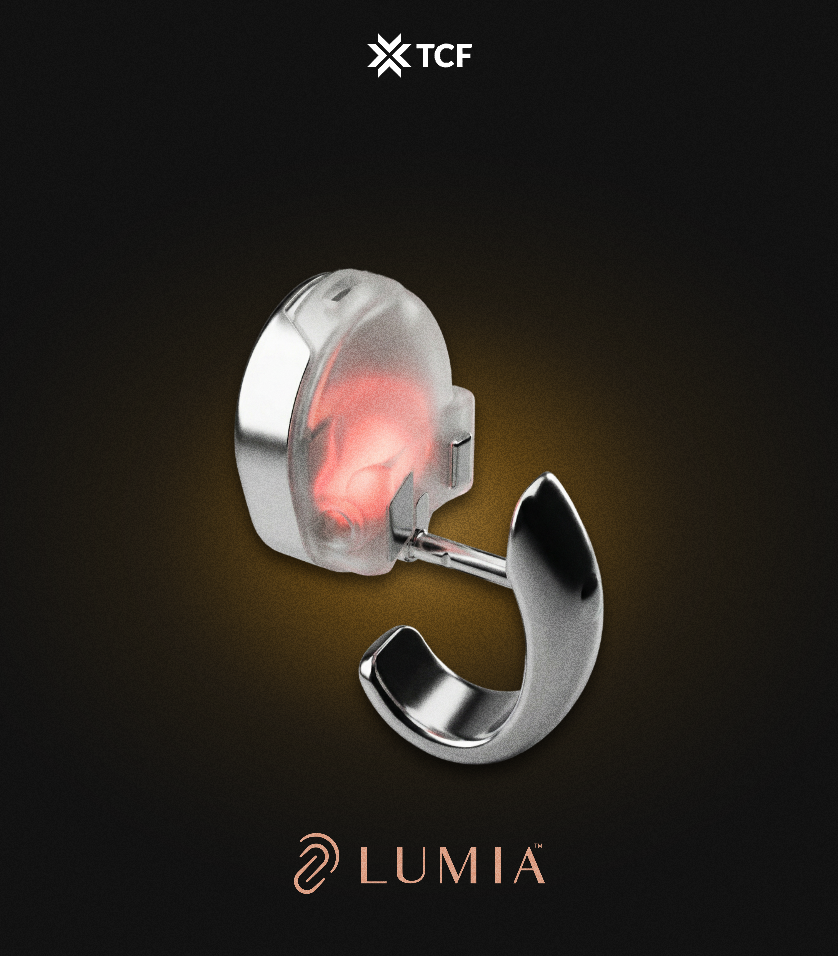
Lumia 2 is a health tracker you wear as an earring. It is the first one.
That sentence is doing more work than it looks. Lumia 1 came before it and monitored blood flow with fairly limited functionality around it. With Lumia 2, the team widened the sensing into full health monitoring and put it inside a piece of jewelry that weighs under a gram.
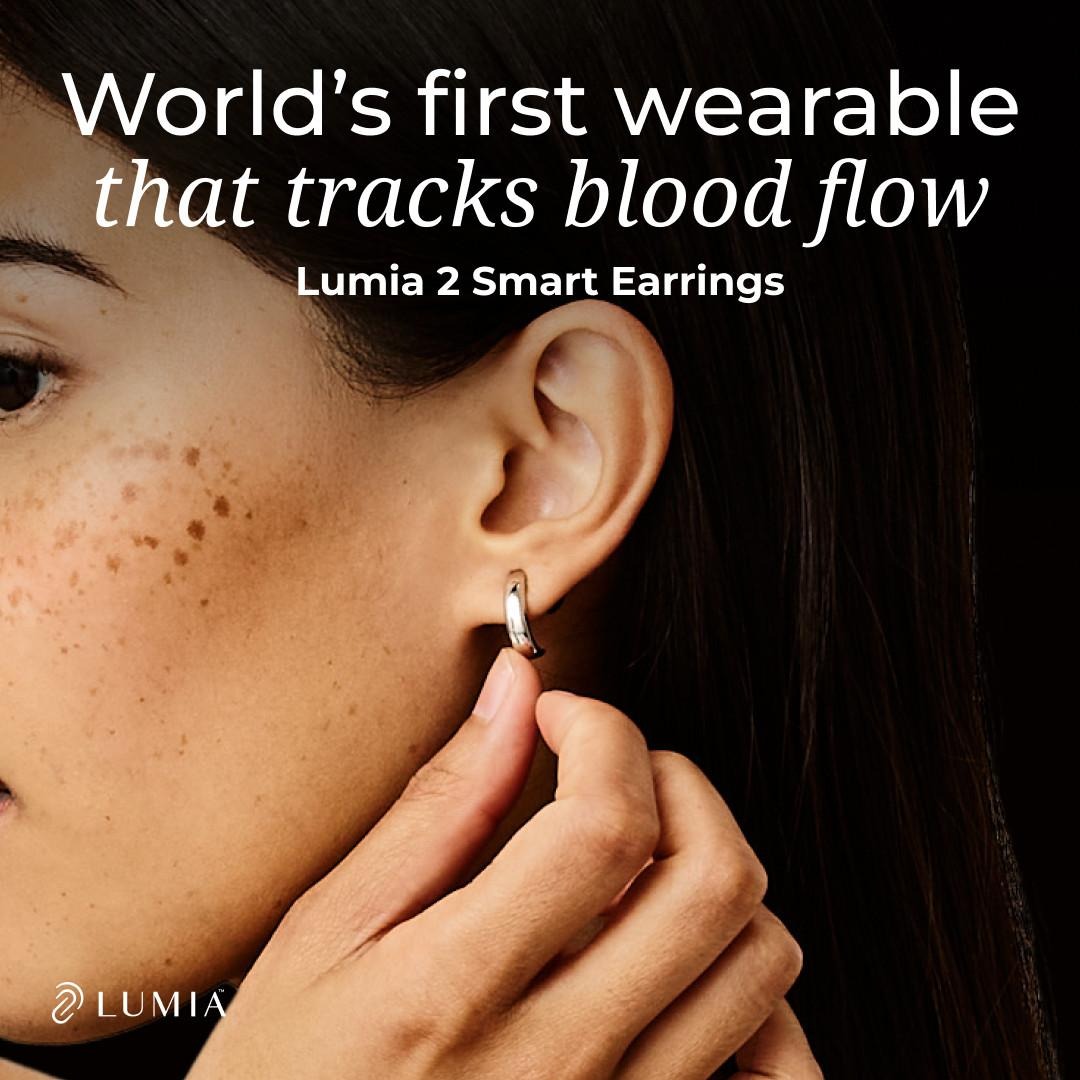
[The category claim as it ran in the ads: the world’s first wearable that tracks blood flow]
What it delivers:
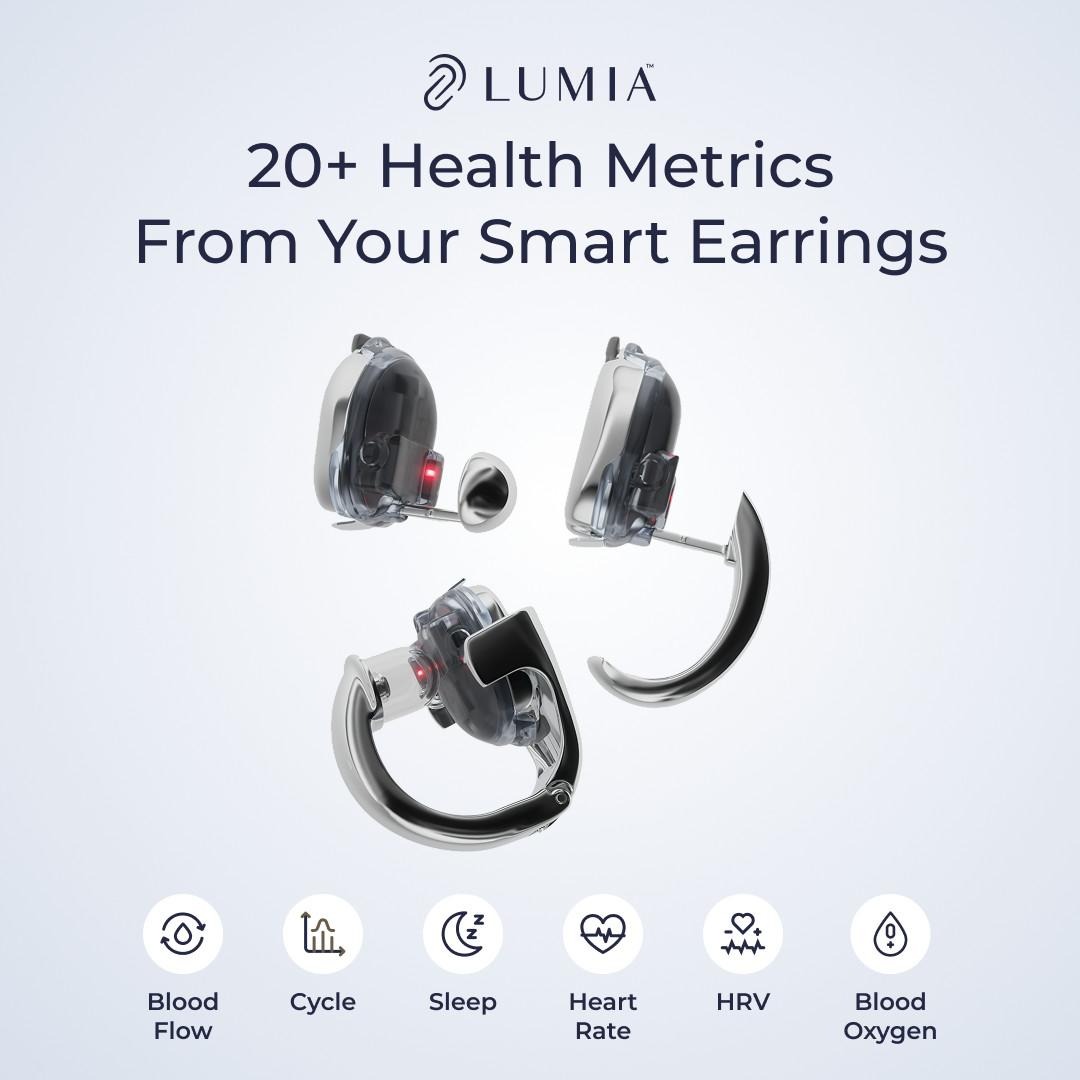
20+ health metrics, including blood flow to the head, which wrist and ring wearables cannot measure
More accurate readings from ear-based sensing, closer to the heart and to major blood vessels
5-8 day battery life with swappable batteries, so tracking never stops for charging
Sleep, cycle, activity, and blood flow, in a form people are willing to wear all day
Research developed alongside Johns Hopkins, Massachusetts General Hospital, Duke, and Harvard researchers
[20+ health metrics from one earring]
Why the ear
The form factor was not a styling decision. It came out of an accuracy problem.
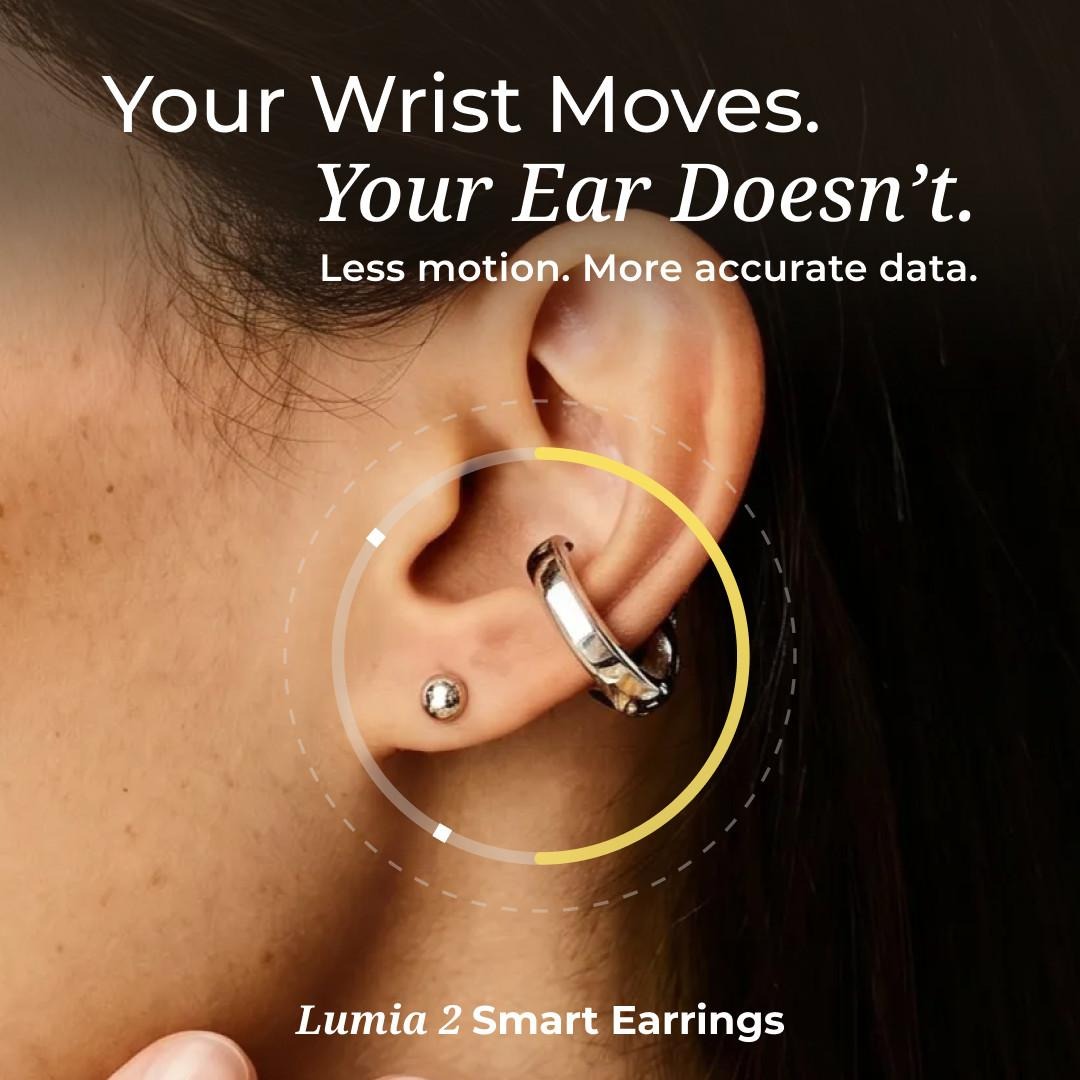
A ring sits over muscle, and over vessels that shift every time the hand moves. A watch does the same thing on the wrist. Movement across that tissue distorts the optical signal, and a distorted signal is a less accurate reading. Every wrist and finger wearable inherits that limitation, no matter how good its sensor is.
The earlobe does not have the problem. Very thin skin, no muscle underneath, and none of the moving vessels that confuse a wrist sensor. It also sits close to the heart and to the main arteries feeding the head. That combination is why Lumia can read blood flow to the head, heart rate, and the rest of its metrics at an accuracy a wrist or a finger cannot reach.
[Your wrist moves. Your ear doesn’t. The accuracy argument, as it ran in the ads]
The brief was a health tracker more accurate than the trackers people already owned. The earring is what that requirement produced.
Three pillars, each aimed at a specific weakness
A discreet, unique design. The first earring health tracker.
Something people actually want to wear. Stylish enough to work with different outfits.
Blood-flow monitoring no other health tracker has.
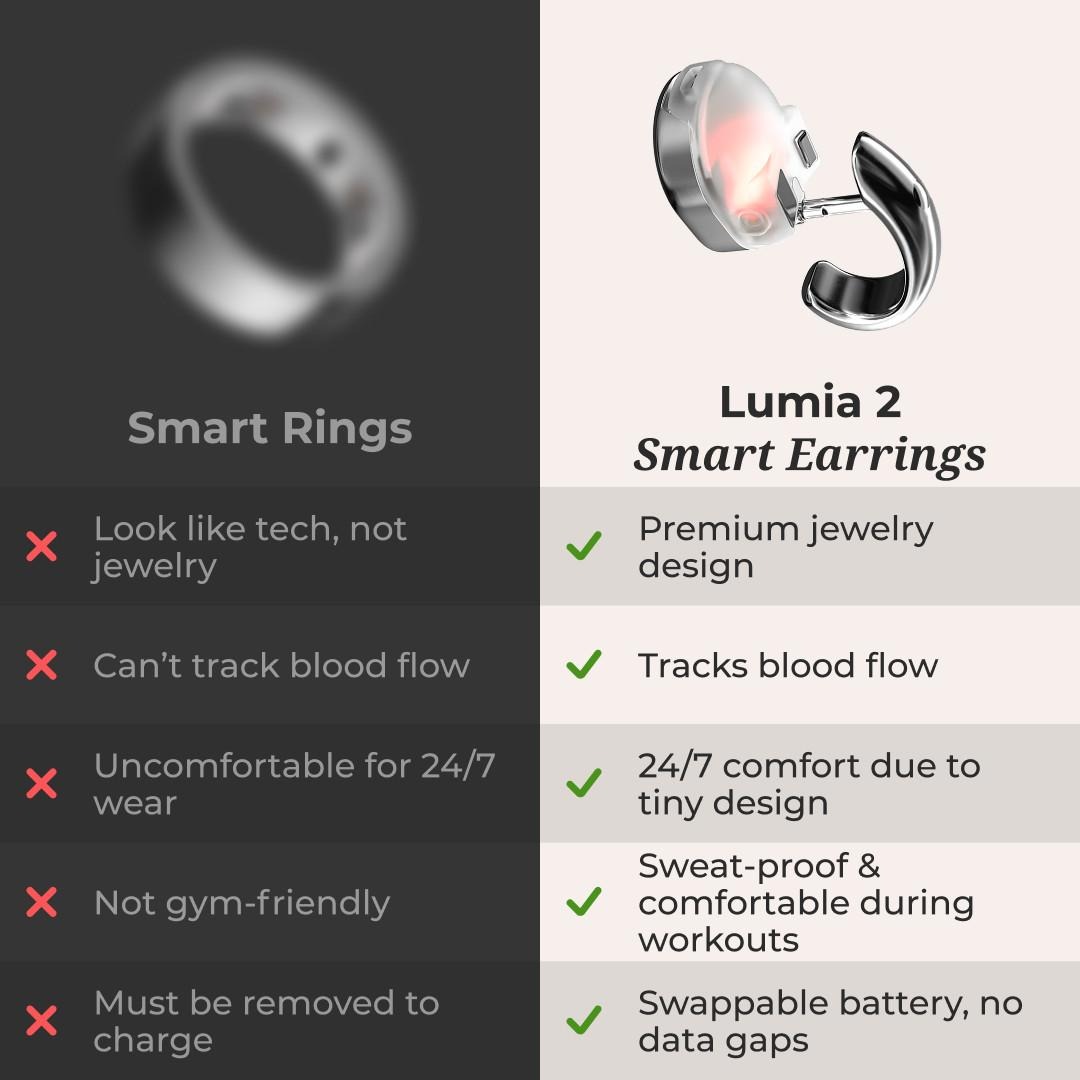
This was a direct response to the smart ring and smart watch market. The first two pillars addressed everything people dislike about those products. The third gave their users a reason to switch.
[Smart rings vs Lumia 2: design, all-day wear and blood flow, the three pillars side by side]
The survey data proved the thesis rather than assuming it
Share
Survey finding
74%
Were already health tracker users
40%
Of them, the largest group, were Apple Watch users looking for a replacement
16%
The second largest, were Oura ring users
23%
The largest single reason given, chose Lumia for its design
44%
Said they were managing a chronic condition
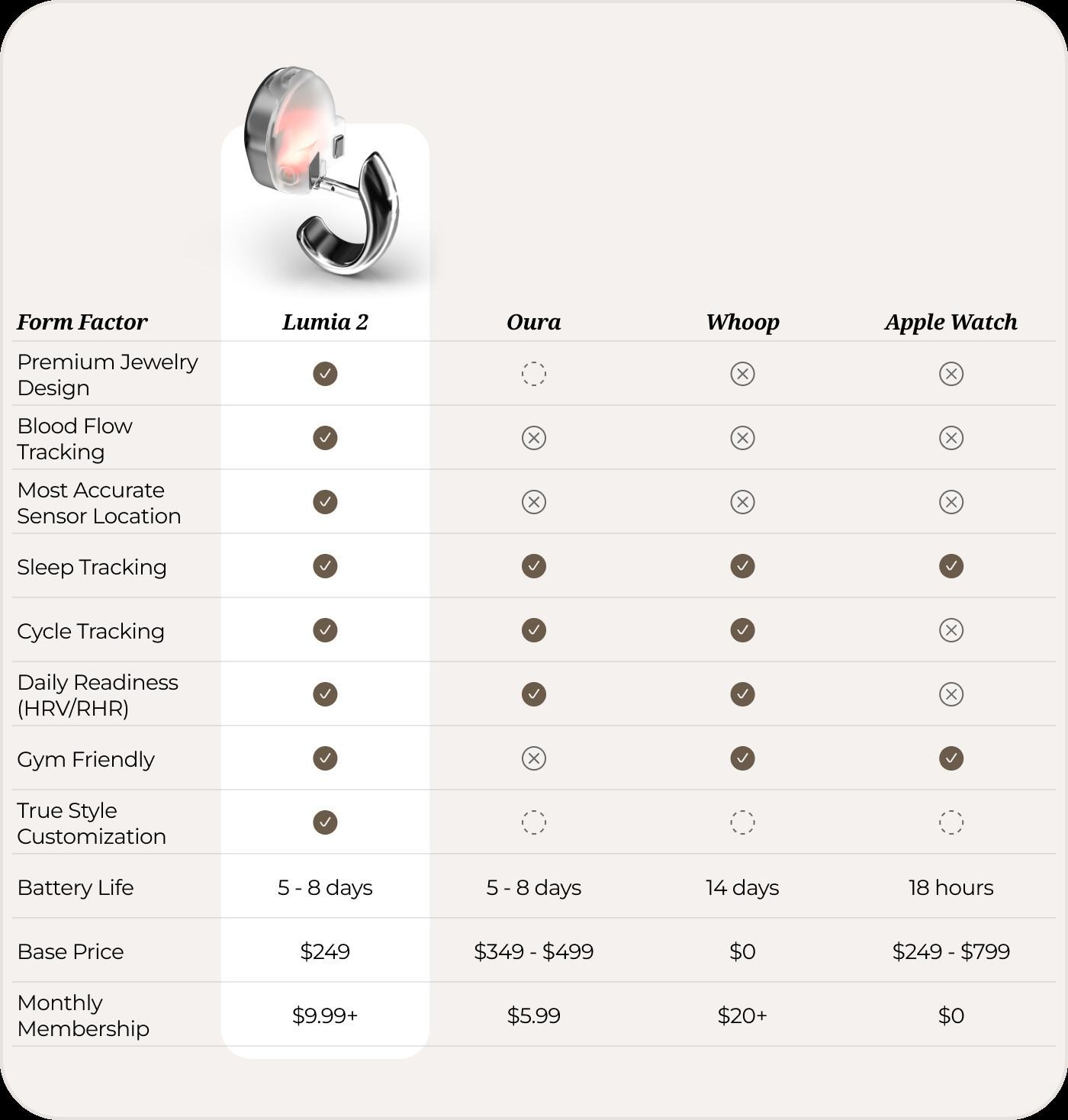
[The page answered the survey: Lumia 2 against Oura and Apple Watch, the trackers respondents already owned]
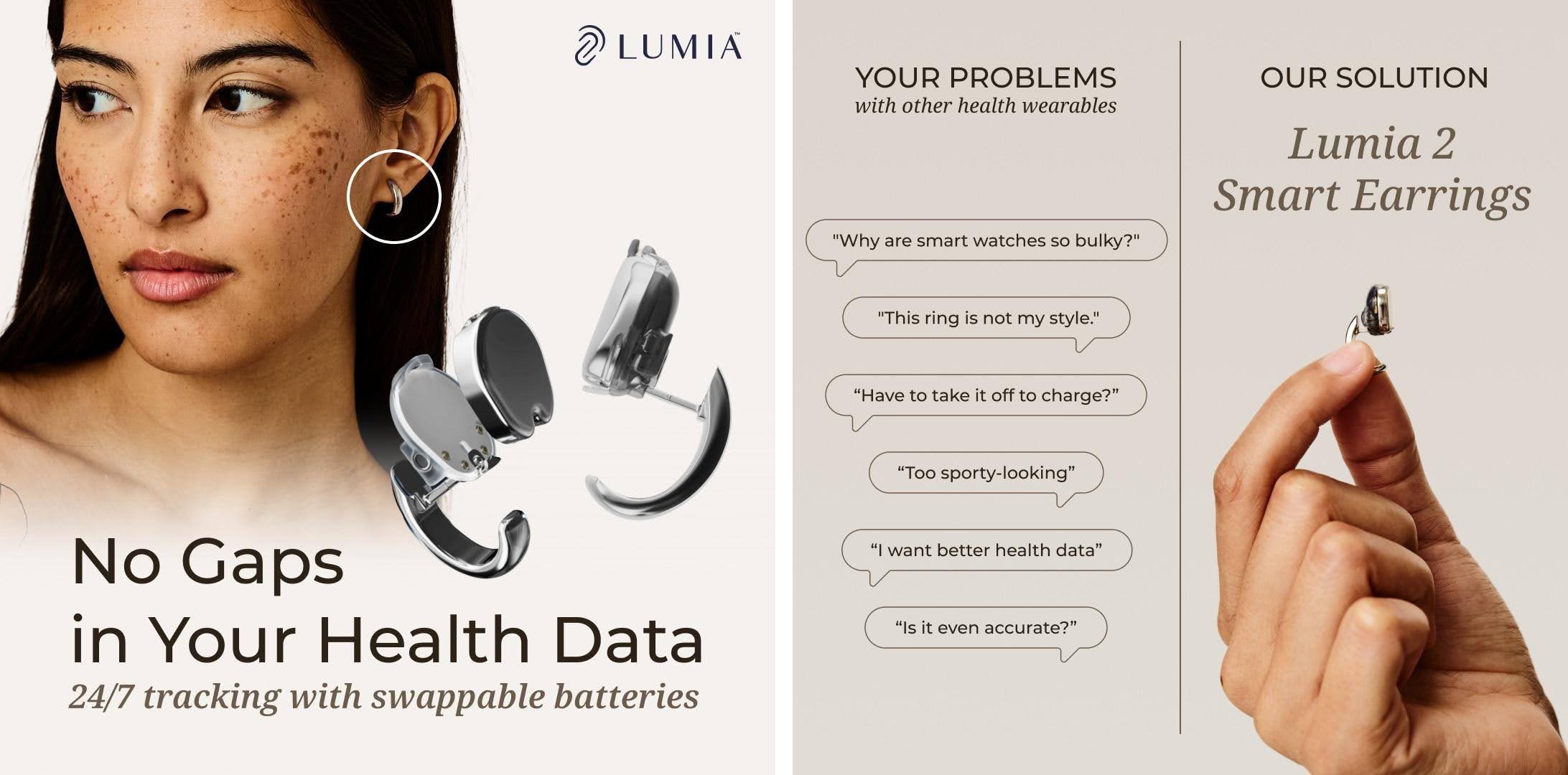
The complaints those users brought with them were consistent: battery life, and the tracking gaps that come with it. You do not track your health while the device is charging. You take the ring off at the gym, because nobody wants a bulky band on their finger doing pull-ups or gripping a bar. You take the watch off to sleep, because most people do not find one comfortable to wear all night. Tracking stops at exactly the moments most worth tracking. Every one of those gaps is a hole in the data, and the product that removed the holes had a real argument to make.
[The complaints in the customers’ own words, and the answer: no gaps in your health data]
A validated product is not a validated campaign Demand measures whether people want your product. It does not measure whether they will complete a purchase on the specific platform you have chosen. Those are two different questions, and a campaign can pass the first one convincingly while failing the second. Lumia 2’s prelaunch metrics were not wrong. The demand they measured was real, and thousands of people had already put money down to prove it. The live stage still looked different almost immediately, and nothing about the product had changed. What had changed was the checkout.
The challenge
Stage 2: Two Mismatches and a Missing Sample
Three problems had to be solved, and two of them were structural.
Mismatch one: the audience and the platform
Ninety-eight percent of the reservations were women. The product is unisex, and the marketing never treated it otherwise, but the audience that converted during lead generation was overwhelmingly female.
Kickstarter is a male-skewed platform. That is not a criticism of it, it is an operating condition, and the practical effect is measurable: on a live campaign, a female audience converts at a lower rate and a higher cost than the same audience does on an ecommerce funnel. The team knew this going in. It is why the prelaunch budget was pushed hard to bank as many female reservations as possible before the campaign ever opened.
Mismatch two: the audience and the format
The backer data, gathered after the campaign, made the second problem exact.
Share of backers
Backer type
Definition
60.49%
First time
Had never backed a project
23.89%
Passive
No backings at all in the past year
9.29%
Casual
Occasional backers
4.50%
Core
Regular backers
1.83%
Power
The platform's habitual buyers
More than eight in ten backers had either never used Kickstarter or had not used it in a year. Ninety-four percent of surveyed backers were women.
Kickstarter is not a store. There is no add-to-cart. At checkout, a first-time user reads that a pledge is not a guaranteed purchase, and for someone about to commit hundreds of dollars to a product category that did not exist last year, that sentence is enough to end the session.
The third mismatch: no samples
Production units did not exist during the campaign. Journalists could not test the product. Influencers could not review it. For a health device asking people to trust its readings, the proof everyone wanted was the one thing that could not be handed over.
All three had to be worked before launch day, because launch day is too late to start on any of them.
TCF's approach
Stage 3: The Prelaunch and the Reservation Machine
TCF ran prelaunch lead generation alongside the Lumia 2 team. The goal was not traffic. It was reservations.
A reservation is a small deposit that locks an early-bird price. It matters because it converts at a completely different rate than a plain email signup does when the campaign goes live. Someone who has already put money down has crossed a threshold that a subscriber has not.
The funnel ran cold audience to lead, then lead to reservation, with email carrying people across the second step. Ads on Meta drove the top. The landing page, built from scratch, was already converting well, so the daily work stayed on the media side.
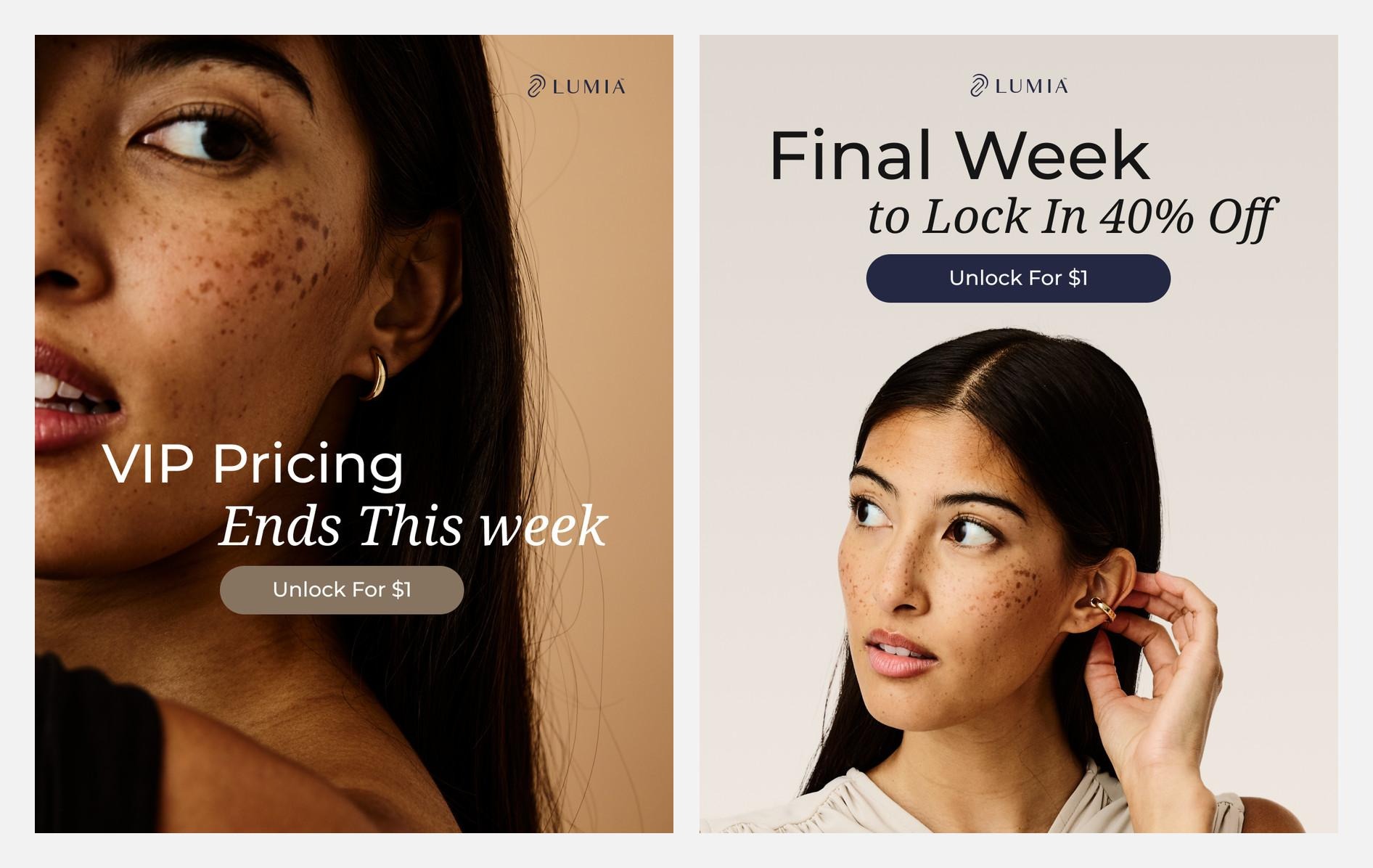
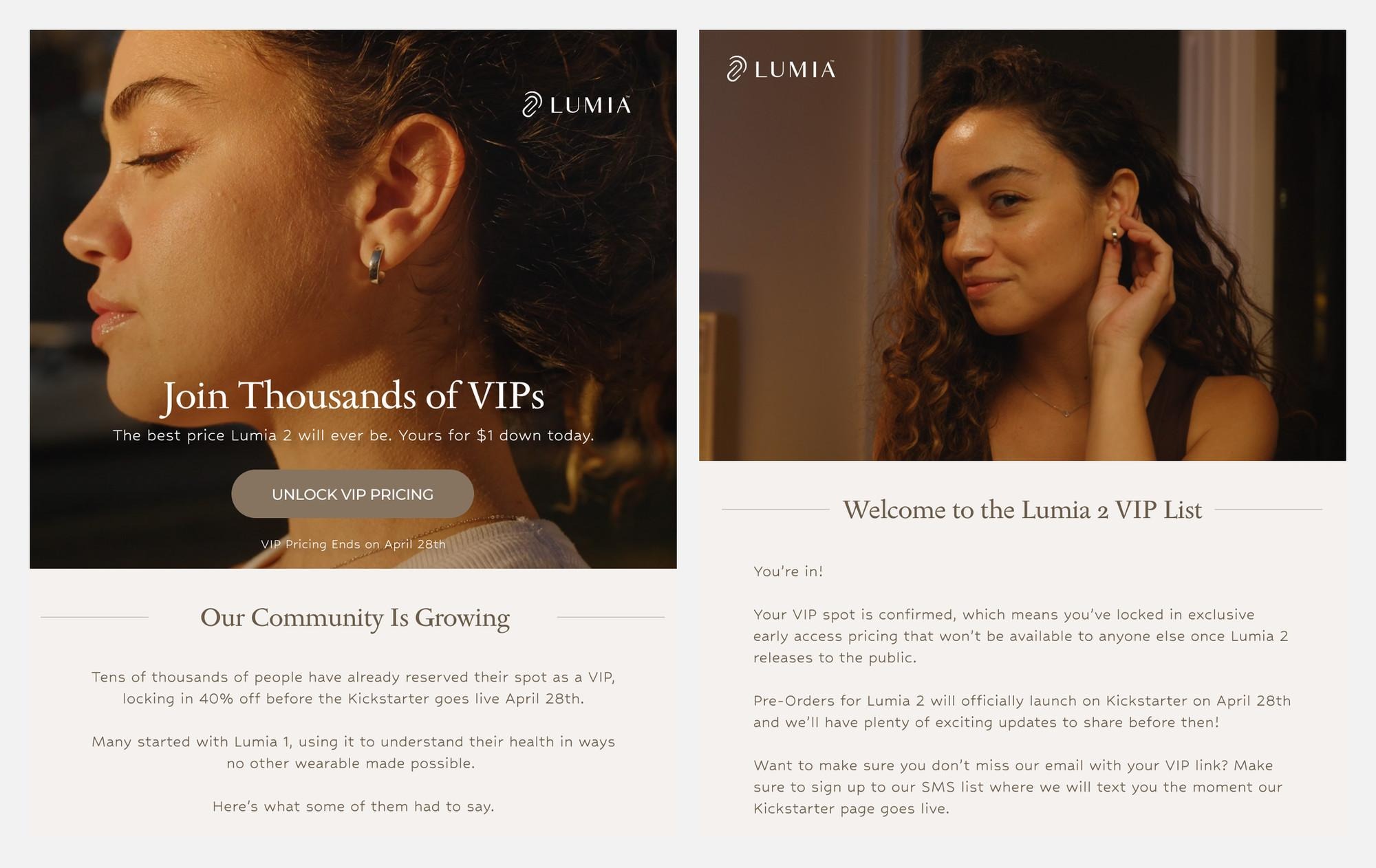
[Prelaunch reservation ads on Meta: unlock VIP pricing for $1]
What that looked like day to day:
Cost per lead and cost per reservation as the primary metrics, reviewed every morning
CTR and frequency watched as early indicators of creative fatigue
Three lead generation flows run across roughly a month
Losing ad sets cut and budget concentrated into the winners, which typically drops cost while lifting volume
New creative angles produced before fatigue could bite, not after
The result: thousands of reservations, an audience that went on to generate $1M+ in revenue across the whole campaign.
The Lumia 2 team built the lead generation email sequences themselves, collected roughly 30 to 40 percent of all prelaunch leads and VIPs, and ran their own closed VIP community on Instagram. Price strategy, positioning, scarcity tactics, and even survey questions were decided jointly. This campaign was run by two teams working as one, and the results belong to both.
[From the Lumia team’s sequences: the $1-down lead email and the VIP confirmation]
Stage 4: Teaching an Audience How to Back
This is the part of the campaign that would not exist for a normal Kickstarter audience, and it is the part that made the launch work.
The insight came from two directions at once. Backer surveys said people were unfamiliar with Kickstarter and had both trust concerns and technical concerns about the platform. The sales team, reading the actual inbox, said the same thing in plainer language. Once the same problem arrives from two independent channels, it stops being a hunch.
So the campaign stopped assuming anything.
Before launch
The final prelaunch emails carried education inside them. Not a separate campaign, not a footer link. Bits explaining what Kickstarter is and how to order through it, delivered in the same messages that were building urgency for launch day.
The closed VIP community on Instagram, run by the Lumia team, carried the same material as video: how to create a Kickstarter account, and how to back a project once you have one. The people closest to the brand were also the people most likely to pledge in the first hour, so they were the first ones taught.
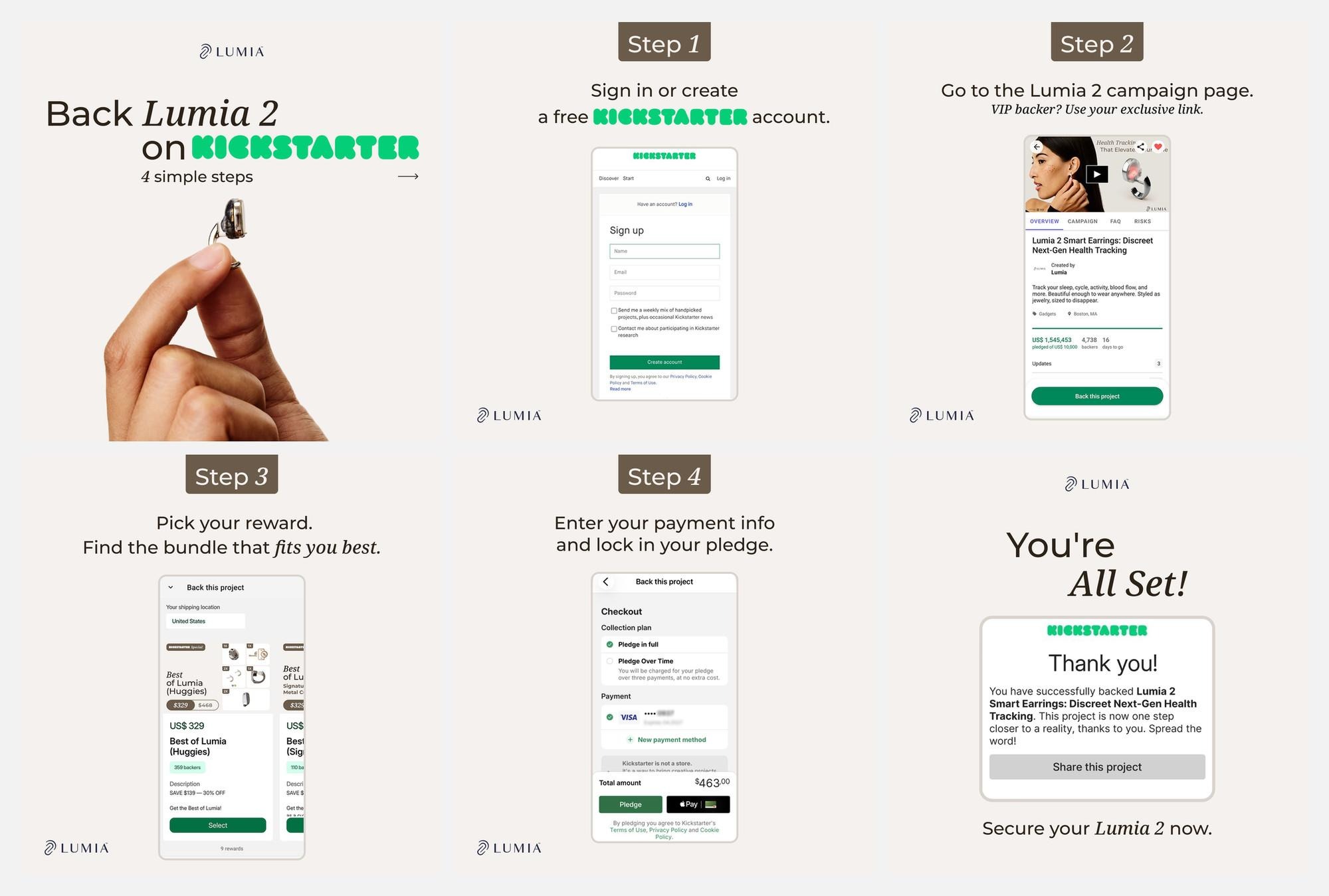
[How to back on Kickstarter, step by step: the same education, built as a carousel]
On the page
A dedicated module went onto the campaign page itself.
New to Kickstarter? Here is how to get your Lumia 2
Select “Back This Project”
Choose your reward
Create a free Kickstarter account (or log in)
Add extra add-ons (optional)
Enter your payment details
Confirm your pledge
The order CTA sat immediately below it, so nobody who had just learned how to back had to go looking for where to do it.
When that was not enough
Directly after the steps came a second block: “Need help with backing? Message us and our team will guide you,” with a Chat With Us button. Support was placed at the exact point of hesitation rather than buried in a FAQ. Making it easier to ask a question makes it easier to buy.
Never assume your audience knows how to purchase from you On a familiar platform that assumption is safe. On an unfamiliar one it is the single biggest thing standing between your product and its full potential.
Stage 5: The Launch and the 48-Hour Beta
The prelaunch pressure released fast. Over $1M inside 36 hours, $1.1M inside 48.
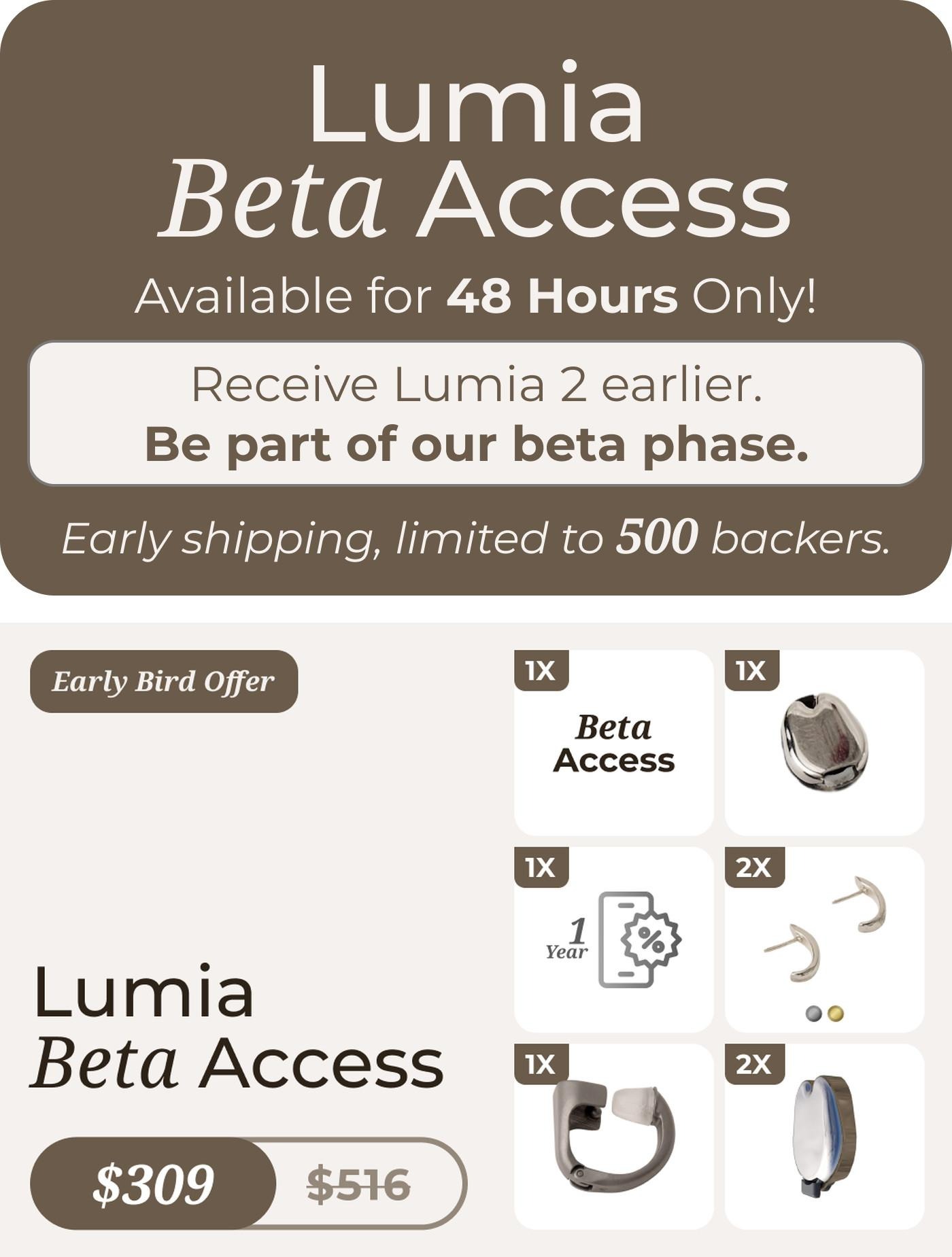
The mechanism that drove the opening surge was a purpose-built first-48-hours reward: open beta access, released to the public.
The offer was constructed so that every element pushed in the same direction:
A lower price than any other tier
A hard 48-hour window
A 500-unit cap
Shipping months earlier than standard rewards
Real involvement in the beta testing process that would shape the product
[Lumia Beta Access: available for 48 hours only, limited to 500 backers, shipping early]
That last item is what separated it from a discount. Backers were not buying an early unit, they were buying a role. For an audience where 44 percent were managing a chronic condition, being part of how the device gets built is not a gimmick.
The result: 480+ units sold in the first 48 hours, and $165K in revenue from that single reward.
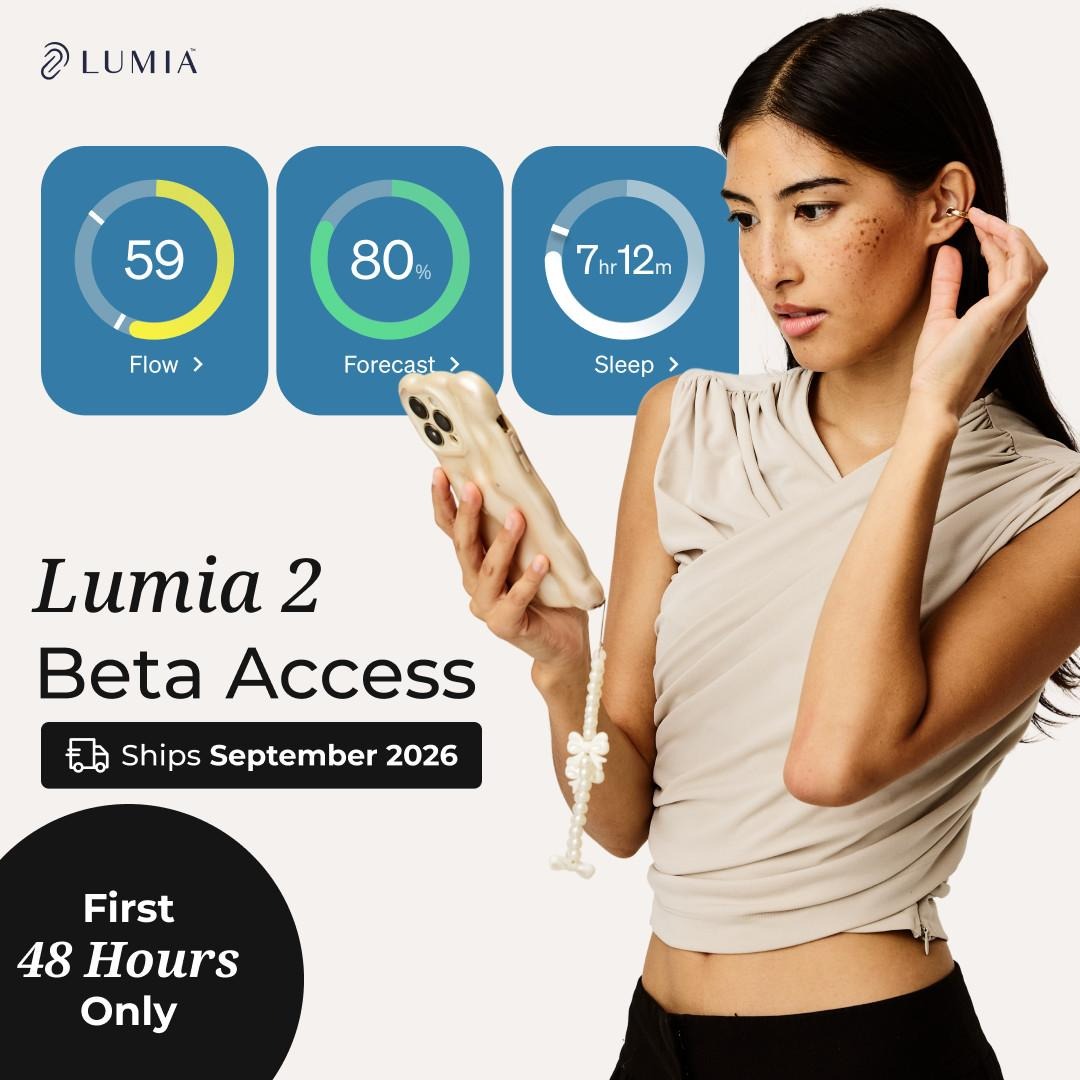
[The beta reward in the ad account: first 48 hours only]
The cap of 500 was very nearly exhausted inside the window. Scarcity that is real, and visibly close to running out, does the work that no amount of urgency copy can fake.
Stage 6: The Live Stage, Where Retargeting Carried It
Then the numbers moved, and not in the direction the prelaunch had predicted.
Costs climbed. The ROAS and the volume that had held through lead generation became genuinely difficult to hold on the live campaign. Both mismatches were now charging rent at the same time: an audience the platform converts poorly, and an audience that had never checked out on it before.
The paid response separated cleanly into two problems.
Prospecting was hard, and honest about it
Cold audiences on Kickstarter needed more touchpoints than the live stage could give them. During prelaunch there had been a whole sequence available: see the ad, leave an email, receive education, get more value, then reserve. On the live campaign there was one step, ad to Kickstarter page, convert or leave.
What worked on cold audiences was partnership and whitelisted content. Ads running through partner identities rather than the brand's own carried the credibility that a first-time viewer of an unfamiliar product category needs. That was the main success factor for prospecting, and it is where prospecting budget belonged.
Retargeting was where the campaign was won
Retargeting was the driving force of the live stage and the only place the ROAS target was consistently met. The audience built during prelaunch was there to be converted, and the creative that converted it was specific.
The strongest angle was the deposit itself. Ads reminded leads that they had already put money down to lock their early-bird price. Not a discount announcement, a reminder of a commitment they had already made. That reframes the decision from “should I spend” to “should I waste what I have already spent,” and it converted the reservation audience better than anything else in the account.
Around it ran a supporting set.
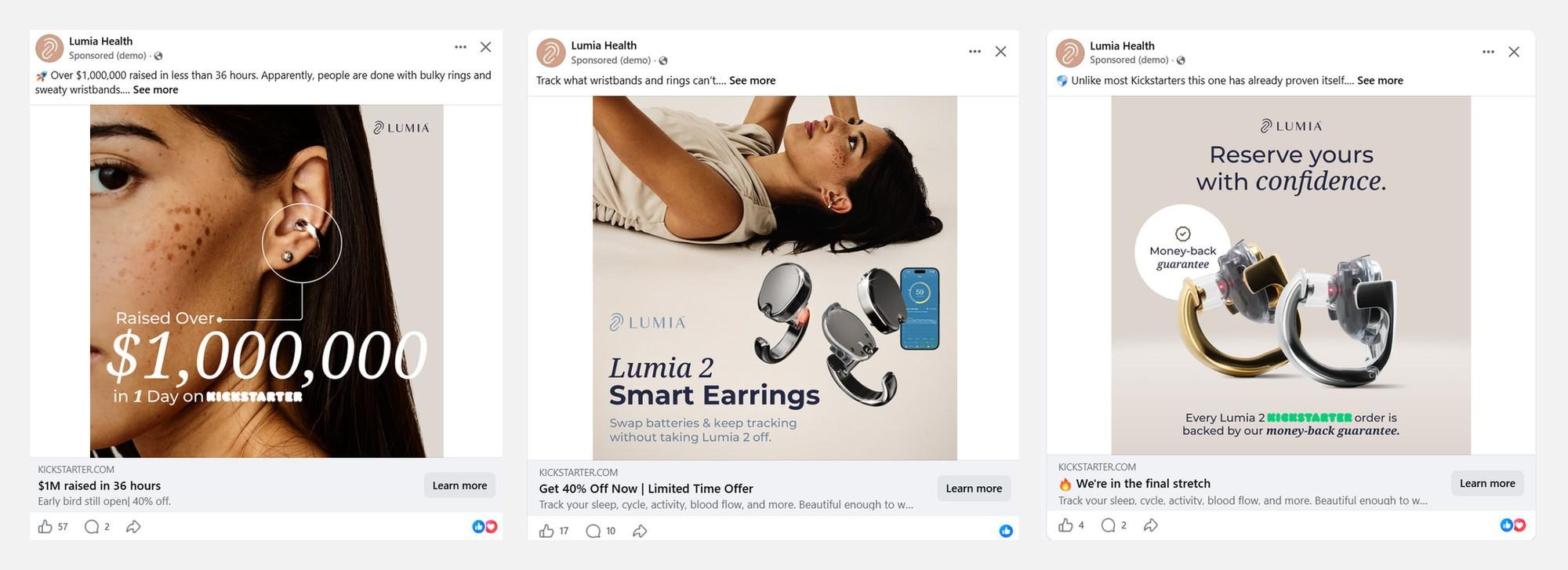
Milestone proof: “Raised Over $1,000,000 in 1 Day on Kickstarter,” with body copy reading “Apparently, people are done with bulky rings and sweaty wristbands.” The highest-engagement creative of the campaign. The raise became the credibility.
Category displacement: “Track what wristbands and rings can’t,” built on blood flow, the one metric most consumer health trackers cannot measure. Highest comment volume of the set, because it started an argument people wanted to have.
Risk reversal: “Reserve yours with confidence. Every Lumia 2 Kickstarter order is backed by our money-back guarantee.” For a health device from a brand-new category, the guarantee was not fine print, it was the offer.
Ecommerce-native: Large, clear discount figures in the style first-time backers already recognize from ordinary online shopping. Meeting an ecommerce audience with ecommerce visual language, on a platform that normally does not speak it.
[Three of the top-performing ads: milestone proof, category displacement, risk reversal]
The content behind the ads was built the same way it was bought. The team researched what brands in the health-wearable category were running, layered in TCF's own experience with health-tracking wearables, then tested angle by angle and iterated on what returned. When a visual format stopped working, the answer was a different format. When a benefit stopped resonating, the answer was a different benefit, expressed several ways.
For a health product, one rule governed all of it: credibility comes first. When the subject is someone's body, messaging has to be precise and trustworthy before it is clever.
Stage 7: Selling the Same Product to a Second Buyer
Here is the move that came directly out of the platform mismatch, and it is the one most worth stealing.
The core audience was women. The platform converts men better. Instead of fighting that, the campaign added a second buyer.
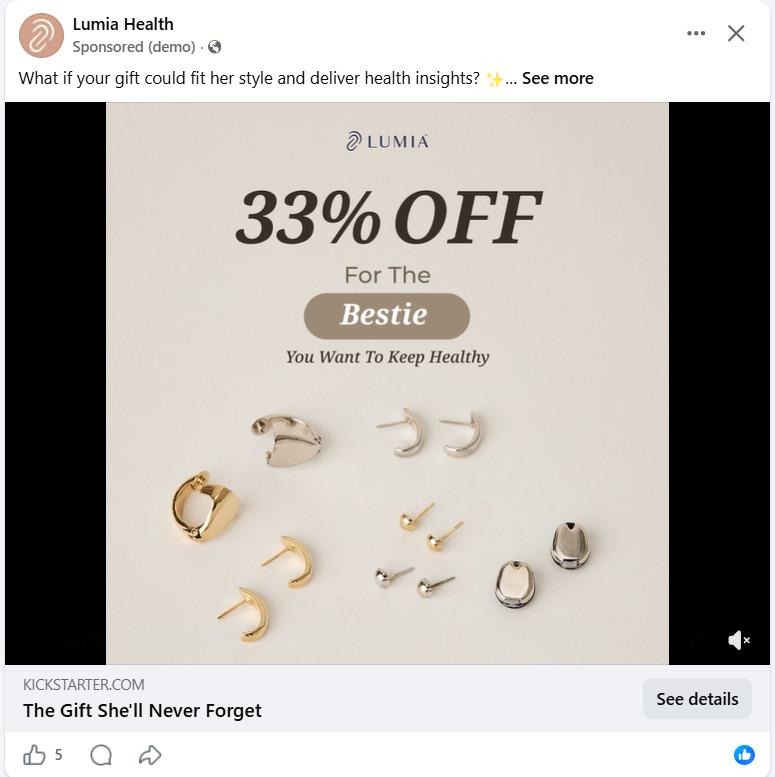
Gift creative went into both prospecting and retargeting, positioning Lumia 2 as a present rather than a purchase. “What if your gift could fit her style and deliver health insights?” over a flat lay of the full jewelry set, with the offer framed as 33% off for the bestie you want to keep healthy and a link headline that read “The Gift She'll Never Forget.” Sister, partner, mother. The buyer changed, the product did not.
[The second-buyer ad: 33% off for the bestie you want to keep healthy, “The Gift She’ll Never Forget”]
The logic is worth stating plainly. When your natural audience converts poorly on the platform you are launching on, you have two options. Spend more to force it, or find the person who will buy it for them. The second is usually cheaper, and it opens an audience your competitors in the category are not talking to at all.
Stage 8: PR Without a Single Review Sample
The PR problem was simple to state and hard to solve. Journalists wanted to test the device. There were no devices.
The program was built normally: press kit, press release, pitches tailored to each media direction, a researched media database, and a target list covering health tracking devices, competitor coverage, smart wearables, health tech, and AI devices. Outreach ran in three waves, embargo first, then the launch announcement, then follow-ups.
The response was strong and it came with a condition. Journalists were interested, because the product was genuinely unlike anything else in the category. Most of them wanted a review unit before publishing, and the top-tier outlets were content to wait for one.
So the pitch changed shape. Instead of a sample, journalists were given:
The technology, explained in real depth
The research validation behind the sensing
Full specifications and technical explanations
The funding results as third-party proof of demand
Interviews with the founder
Affiliate partnerships
The founder answered engineering questions personally, and several of those answers became articles on their own. When you cannot hand over the product, first-hand access to the person who built it is the closest substitute, and for a technical audience it is sometimes better.
The message discipline held throughout: Lumia is not another wearable. It is a smart earring, which means jewelry, technology, and everyday wellness in one object. Beautiful enough to wear, and measuring things a wrist cannot reach.
The result: 44 placements, including CNET, the Financial Times, Men's Health, AOL, MSN, Yahoo Tech, BGR, Lifehacker, Creative Bloq, NotebookCheck, and Robb Report India, with coverage running across the US, Italy, Spain, France, Poland, Turkey, Portugal, Vietnam, the Czech Republic, Bulgaria, India, and South Africa.
The angles the press chose tell you what landed: world's smallest wellness wearable, tracks blood flow without touching your wrist, more metrics than a smartwatch, forget smartwatches and smart rings.
The honest retrospective from the team: start earlier. More lead time before launch would have meant more journalists reached and better prepared.
Stage 9: The Inbox That Changed the Reward Menu
Sales and support on this campaign was not a ticket queue. It ran a closed loop: inbound message, objection handled, tailored offer, pledge recovered or converted, insight fed back to the team.
Coverage ran across the Kickstarter messenger, email, Facebook, and Instagram, with social media staffed additionally through the first two days of launch to absorb the rush. Inbound was triaged by buying intent, so the people closest to a decision got answered first. People who were not going to buy were not dropped, they were asked why, because a person with nothing to lose will tell you the truth.
That is where the campaign's best product insight came from.
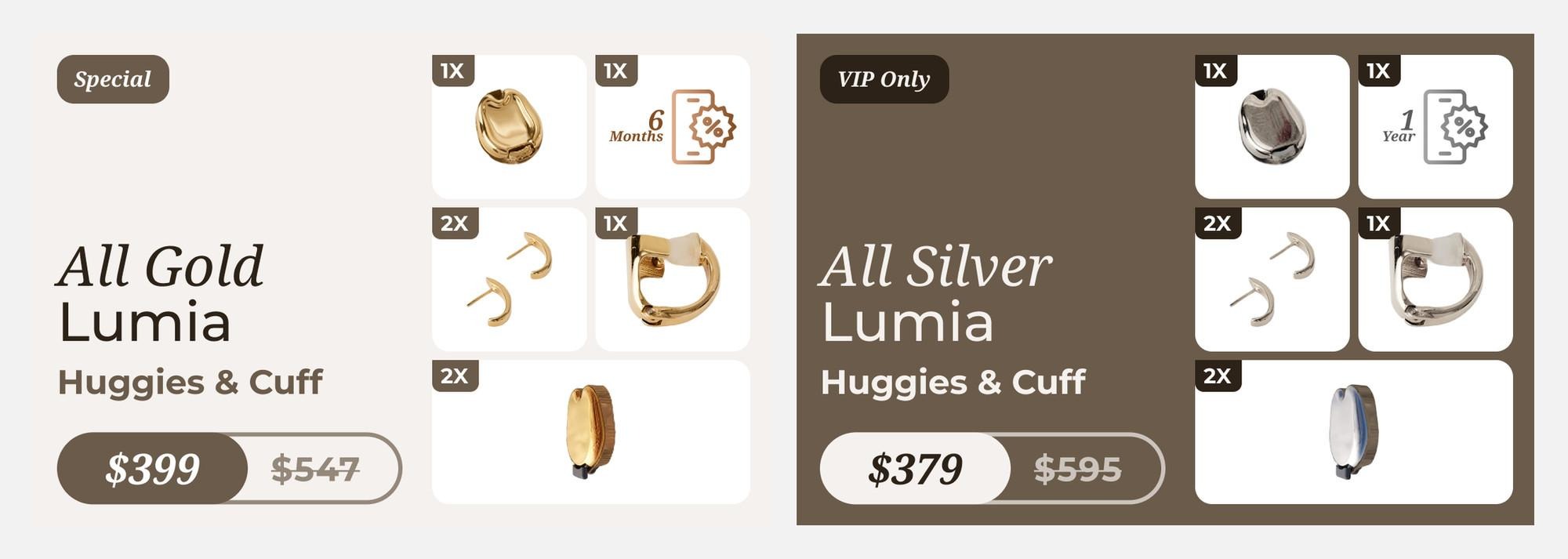
Backers kept saying the same thing. The rewards mixed metals, silver and gold and titanium together in one bundle. But nobody collects that way. If you wear gold, you want the whole set in gold. If you wear silver, you want silver. The mixed bundle was asking people to buy pieces they would never put on.
Support brought it to the team. The team approved separate all-silver and all-gold rewards, and they went live. Then the loop closed properly: every person who had raised the objection was followed up individually, including people who had already refunded, and told that the thing they asked for now existed. Many of them converted.
[The rewards the inbox wrote: All Gold Lumia and All Silver Lumia]
The rest of the recovery playbook worked the same way:
Refunds answered with empathy first, then re-engagement, never with defensiveness
Cancelled backers re-approached during the late pledge window with a free Huggies or Cuff perk
Subscription-hesitant backers walked through the free tier against the membership, which recovered pledges outright
Non-pierced buyers pointed to the Signature Metal Cuff
Lumia 1 members told they receive a free Lumia 2 upgrade with no action needed
Detailed answers on battery, water resistance, materials, sensor placement, Android compatibility, Bluetooth, EMF, and connectivity
Expectations set honestly, including that Lumia 2 is a wellness device rather than a medical one, and that international backers are covered by the 2027 expansion plan
Recurring requests were routed back to the product and business teams as real input rather than left to die in closed tickets: the subscription model, cuff-only options, HSA eligibility, and installment payments.
Your support inbox is a product research channel that happens to also close sales An objection you hear once is a support ticket. An objection you hear fifty times is a reward tier you have not built yet.
Stage 10: The Close
The final stretch was built entirely on scarcity that could be verified.
Every reward was given a specific end time and a specific quantity, both displayed on the tier itself.
Time, counted down per reward
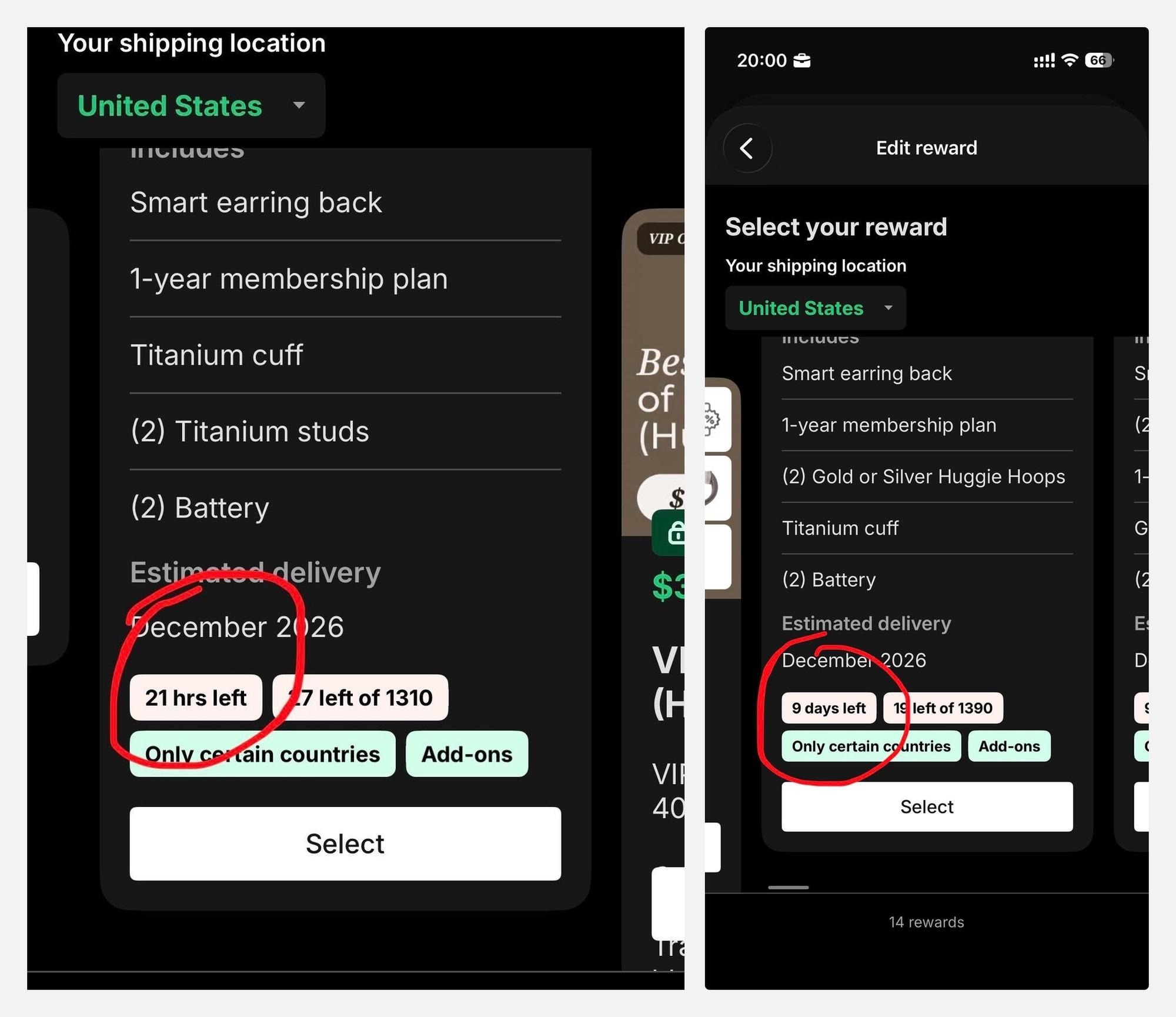
As the campaign neared its end, the display shifted from days to hours. “21 hrs left” reads differently than “1 day left,” and it reads differently for a reason.
Quantity, stated exactly
Not “limited stock,” a real number against a real cap, updating as people bought. “19 left of 1390.” “17 left of 1310.”
[Live reward tiers: “21 hrs left” and “17 left of 1310”; “19 left of 1390”]
Above them, a badge at the top of the page: Limited Units Remaining. Fewer than 50 units left. Once they're gone, the campaign closes.
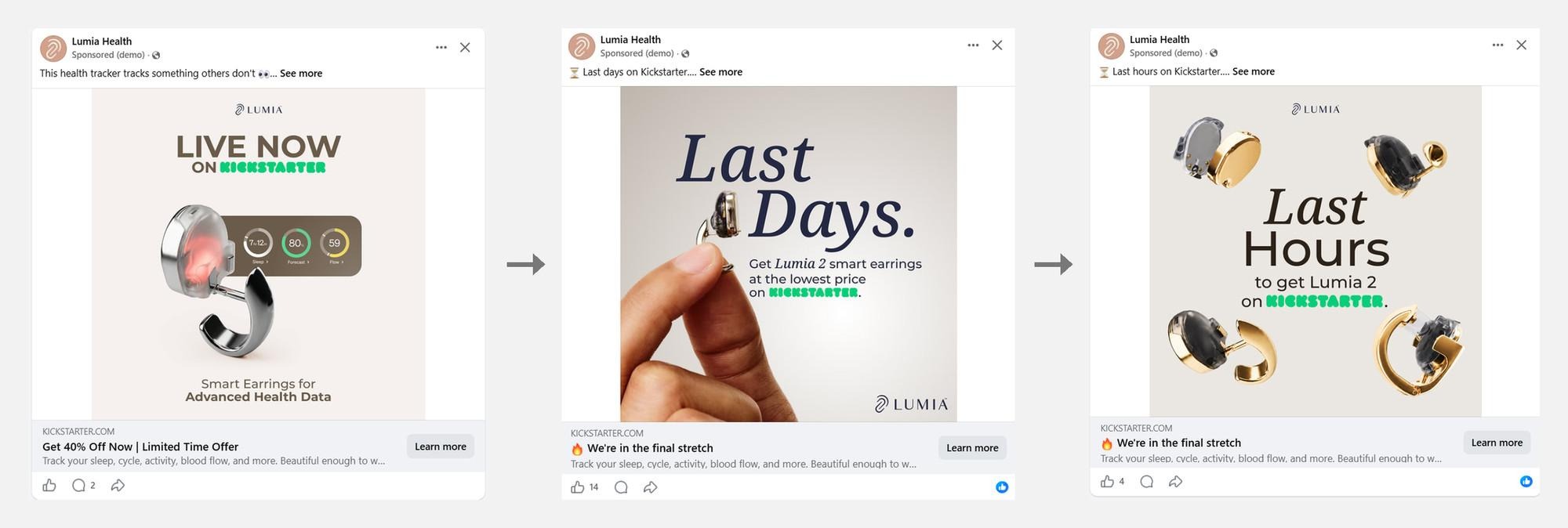
The ad account ran the same ladder in parallel, moving from LIVE NOW to Last Days to Last Hours, each carrying the standing offer of up to 40 percent off MSRP, the lowest price Lumia 2 would ever be available at.
[The ad ladder: LIVE NOW, Last Days, Last Hours]
Both mechanics lifted conversion rate through the last days, because both were true. Fourteen reward tiers, each with a countdown and a real remaining count, on a campaign that genuinely was closing.
Results
Total Raised
$2M+
Backers
6,000+
First 48 Hours
$1.1M
44 media placements
#3 most-funded wearable health tracker on Kickstarter
7th most-funded health tracker on Kickstarter
The only smart earrings in the top 500 most-funded campaigns on Kickstarter, as of June 8
From here the path runs to fulfilment, to the 2027 international expansion, and into ecommerce. The Kickstarter campaign was the launch. The category is the business.
What It Took: The Full Span
No single channel carried this campaign. The prelaunch built the audience the live stage converted. The education made a foreign platform usable. The support inbox wrote a reward tier. The PR gave an unproven category outside credibility. The retargeting turned deposits into pledges.
The full system, in one view:
Prelaunch lead generation optimized to cost per reservation, not cost per lead
3,500+ paid reservations banked before launch day
Platform education delivered in email, on the page, and in the ad account
A capped, time-boxed beta reward engineered for the first 48 hours
A retargeting engine built on the deposit backers had already made
Partnership and whitelisted creative carrying cold audiences
A second buyer opened through gift positioning
44 media placements earned without a single review unit
A support function that recovered pledges and changed the product offer
Per-reward countdowns and real remaining counts through the close
Two teams ran all of it as one, with TCF operating as a Kickstarter Premier Partner. The Lumia team built the lead generation sequences, brought a meaningful share of the prelaunch audience, ran their own VIP community, and sat in every major decision from pricing to positioning to scarcity. They brought a product that genuinely did not exist before. The campaign around it was built together.
What This Means for Your Campaign
Strip away the earrings and the lessons stand on their own
Validation and conversion are different tests. Lumia 2's prelaunch scores were excellent and the live stage still got hard inside a day. Prelaunch tells you whether people want the product. It does not tell you whether they can buy it where you are selling it.
Audit your audience against your platform before you commit to it. Ninety-eight percent of reservations were women on a platform that skews male. That is a cost you can forecast, budget for, and plan around. It is only a crisis if it surprises you on launch day.
Never assume your audience knows how to buy from you. More than eight in ten backers were new or dormant. The education went into the last prelaunch emails, onto the campaign page above the reward CTA, and into the ad account. Support sat directly underneath the instructions, not three clicks away.
Reservations beat signups. A deposit changes what a person is. The best-performing retargeting creative of the entire campaign did nothing but remind people they had already put money down.
When the platform fights your buyer, add a buyer. Gift positioning reached the audience Kickstarter converts best, without changing the product or diluting the brand.
Real scarcity outperforms urgent language. A 500-unit beta cap that sold 480+ in 48 hours. Countdowns in hours rather than days. “17 left of 1310.” Every one of those numbers was true, which is exactly why they worked.
Your inbox is a product channel. The all-gold and all-silver rewards did not come from a strategy session. They came from reading messages, noticing the same objection fifty times, and following up personally with every person who had raised it.
Missing proof is a solvable problem, not a fatal one. No samples cost real coverage from top-tier outlets. Depth on the technology, research validation, funding results, and direct founder access still produced 44 placements across a dozen countries.
A launch like this is a machine. Build it before the door opens, run it daily, and scale it deliberately until the product reaches its full potential.
Your Product Could Be Next
We work with a limited number of brands each quarter. If you have a product people will love and a real story behind it, let's talk.