

The holiday season is joyful, magical, and full of wonder. If you are a child.
If you work in marketing at a toy brand, it is mostly a full contact sport.
Everything peaks at once. Traffic, expectations, competitor noise, internal pressure. Parents want perfect gifts, kids change their minds weekly, and shipping deadlines creep closer while everyone asks the same question: “Should we run a discount?”
That question shows up fast because it feels practical. When sales need to move and everyone else is promoting something, price becomes the easiest lever to pull. Not always the smartest, but definitely the loudest.
Most holiday advice leans into that chaos. It borrows playbooks from fashion or electronics and treats Christmas as one big sales event instead of a season with very different buying behaviors week by week.
This guide is for toy brands that want a strong Q4 without operating in constant reaction mode. We will break down how holiday toy buying actually works and which strategies help you win the season without defaulting to massive discounts.
Why Holiday Discounting Hits Toy Brands Harder Than Most Categories
Discounting during the holidays is not inherently wrong. It is just unusually tempting in toys.
December compresses decision making. Inventory is sitting there. Targets are looming. Competitors are louder than usual. When something needs to move fast, price feels like the most reliable button to press. Everyone understands it. Everyone notices it. Everyone copies it.
The problem is that toy buying is not driven by the same logic as most ecommerce categories.
People are rarely shopping for themselves. They are buying gifts, often under pressure, often trying to get it right for someone else. That changes what actually influences the purchase. Price matters, but clarity, confidence, and reassurance matter just as much, sometimes more.
Discounting also tends to flatten differentiation. When every toy brand is running some version of a holiday offer, it becomes harder to explain why your product is the right gift, not just a cheaper one. The story disappears, and price takes over the conversation.
This is where many brands get stuck. They are not discounting because it fits a strategy. They are discounting because it feels like the safest way to stay visible when everything else is noisy.
Next, we need to look at how parents actually buy toys during the holidays, because that behavior explains why some tactics work and others quietly fall flat.
How Parents Actually Buy Toys During the Holidays
Toy buying during the holidays looks chaotic from the outside. In reality, it is surprisingly patterned, and many holiday trends make more sense once you understand those patterns.
Parents are not browsing for fun. They are solving a problem. Often several at once. Find the right gift. Make sure it is age appropriate. Make sure it arrives on time. Make sure it will actually get used. Bonus points if it feels thoughtful and does not require extra explanation at the dinner table.
Kids drive the desire, but parents make the decision. That creates a constant push and pull. Excitement on one side, reassurance on the other. The sweet spot is making both sides feel covered.
Early planners, late October to mid November, are thinking ahead. They have time, they are comparing options, and they want confidence. Clear explanations, gift ideas, and smart bundles work better here than urgency or discounts.
Peak gift buyers, late November to mid December, are under pressure. Lists are long, opinions are loud, and inboxes are worse. Clarity wins. Simple gift framing, social proof, and obvious delivery information matter more than clever offers.
Last minute buyers, mid December onward, are not browsing. They are fixing a problem. At this stage, certainty beats everything else. Fewer choices, explicit shipping cutoffs, and fast answers convert better than price cuts.
This is where many toy brands misread the moment. They assume urgency always means price pressure. In practice, urgency often means decision pressure. Parents are not asking for cheaper toys, they are asking for fewer risks.
When you understand that, the strategy shifts. The question stops being “how do we discount” and becomes “how do we make this the easiest yes.”
That distinction drives everything that follows.
Holiday Sales Tactics Toy Brands Can Use Instead of Discounts
When discounting is not the default, control becomes the advantage. The goal here is not to add more tactics, but to use a few levers intentionally, based on how people are buying at that moment.
1. Bundles That Actually Make Sense
Bundles work when they remove friction. A strong bundle answers a real question, usually “what is the right gift here.” That is why bundles tend to lift AOV early in the season, when parents are planning and comparing.
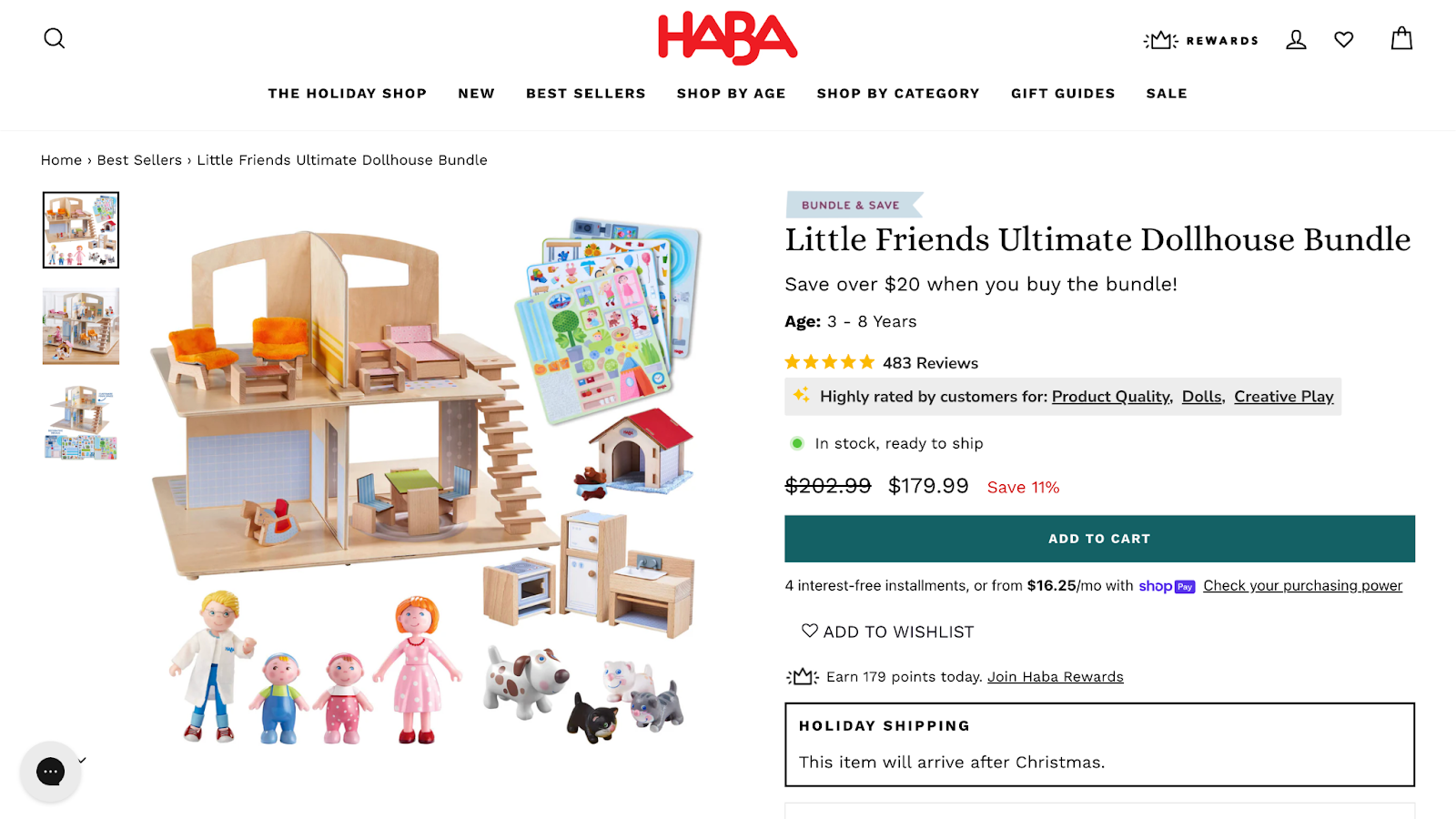
They stop working when they feel random. A stack of unrelated products rarely feels like a better gift, it feels like inventory management. If the bundle does not make the decision easier, it will not outperform a single product.
2. Gift-Ready Packaging and Presentation
Presentation matters more than most brands want to admit. Clear age labeling, simple explanations, and gift-ready packaging reduce hesitation instantly.
Parents are not looking for something they need to explain or assemble mentally. They want a gift that looks obvious the moment it is opened. This lever works across all phases, but especially during peak buying weeks.
3. Free Value Adds That Save Time
Small discounts compete on price. Free value adds compete on sanity.
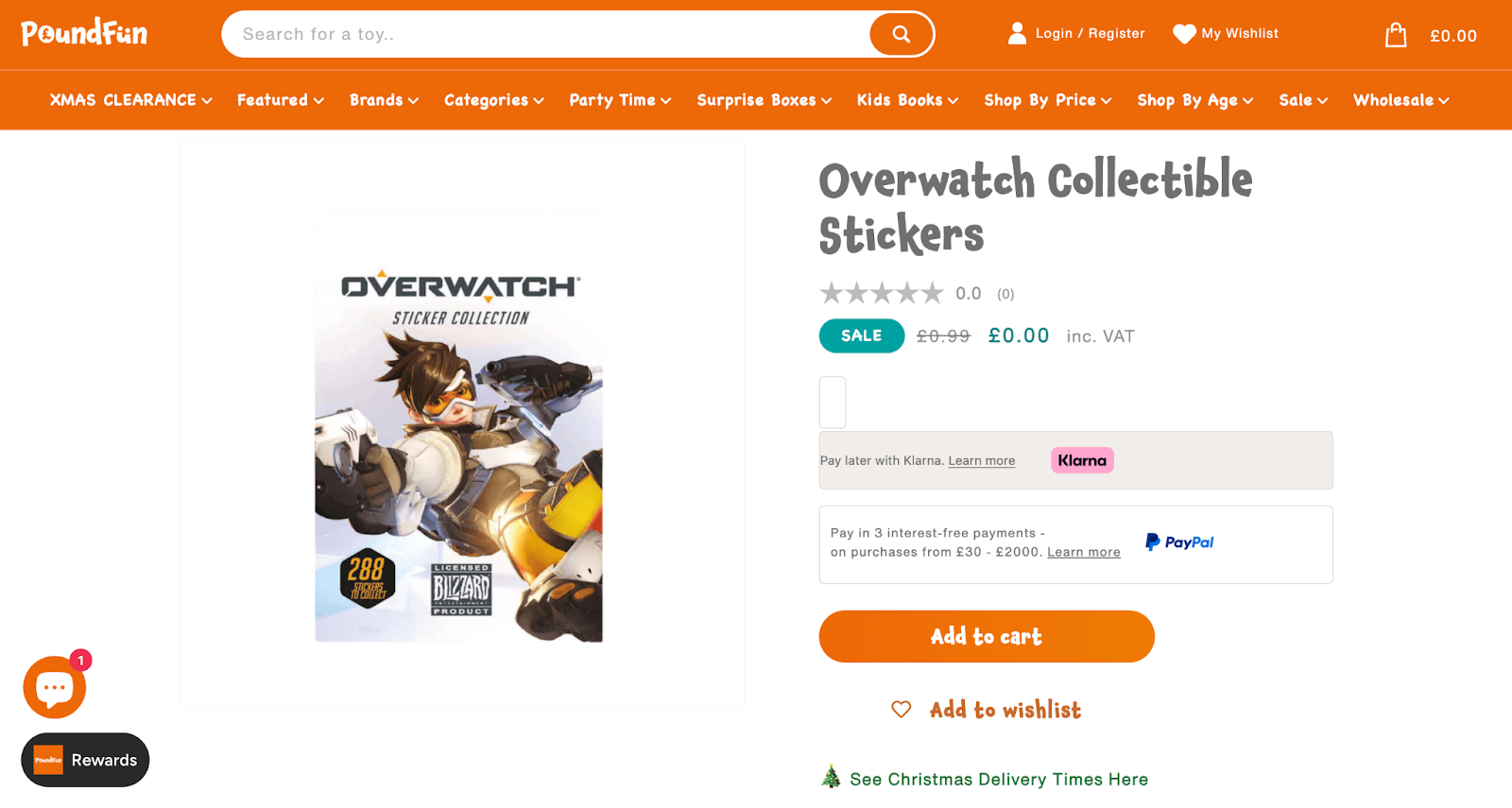
Gift wrapping, free express shipping, bonus accessories, or digital extras remove steps from the buyer’s to-do list. These offers perform best late in the season, when stress is high and time matters more than saving a few dollars.
4. Limited Editions That Are Genuinely Limited
Limited editions protect pricing when they are honest. Seasonal colors, holiday packaging, or short production runs create urgency without touching your core price.
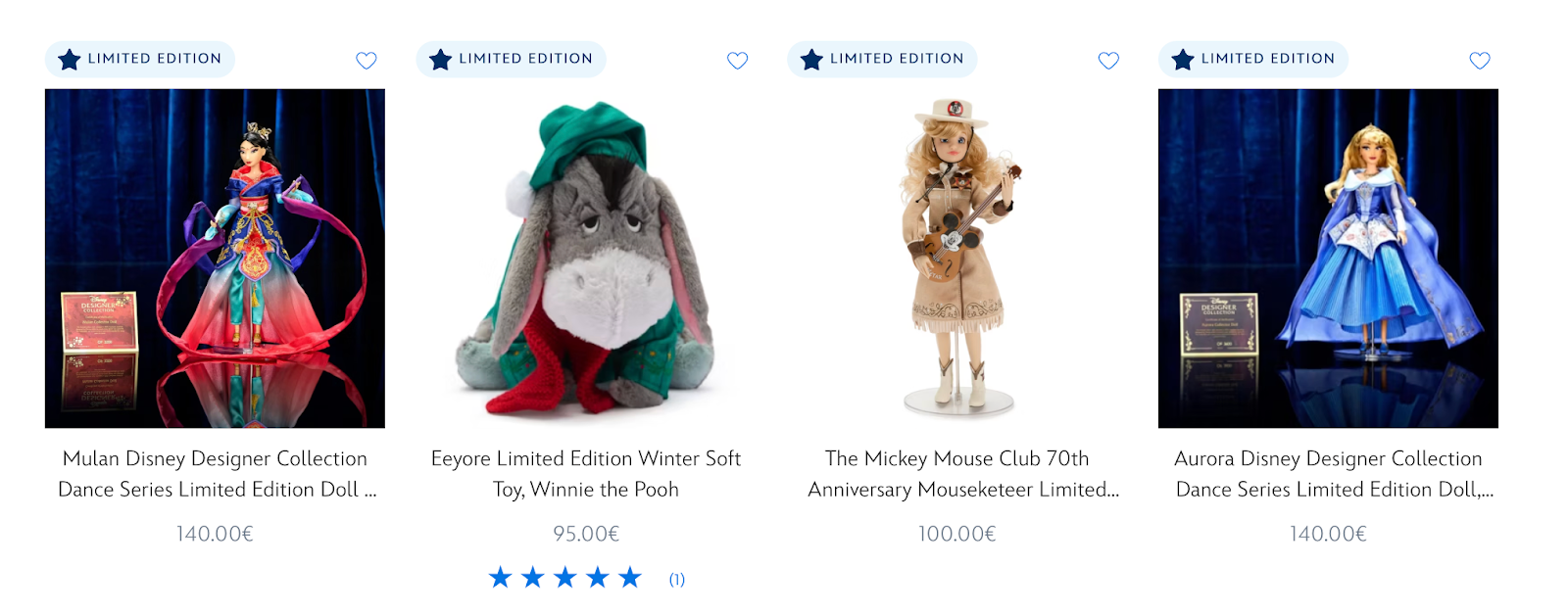
Scarcity works when it is real. When it feels manufactured, it backfires quickly. Overused “limited” language trains skepticism instead of action.
Shipping Deadlines During the Holiday Season
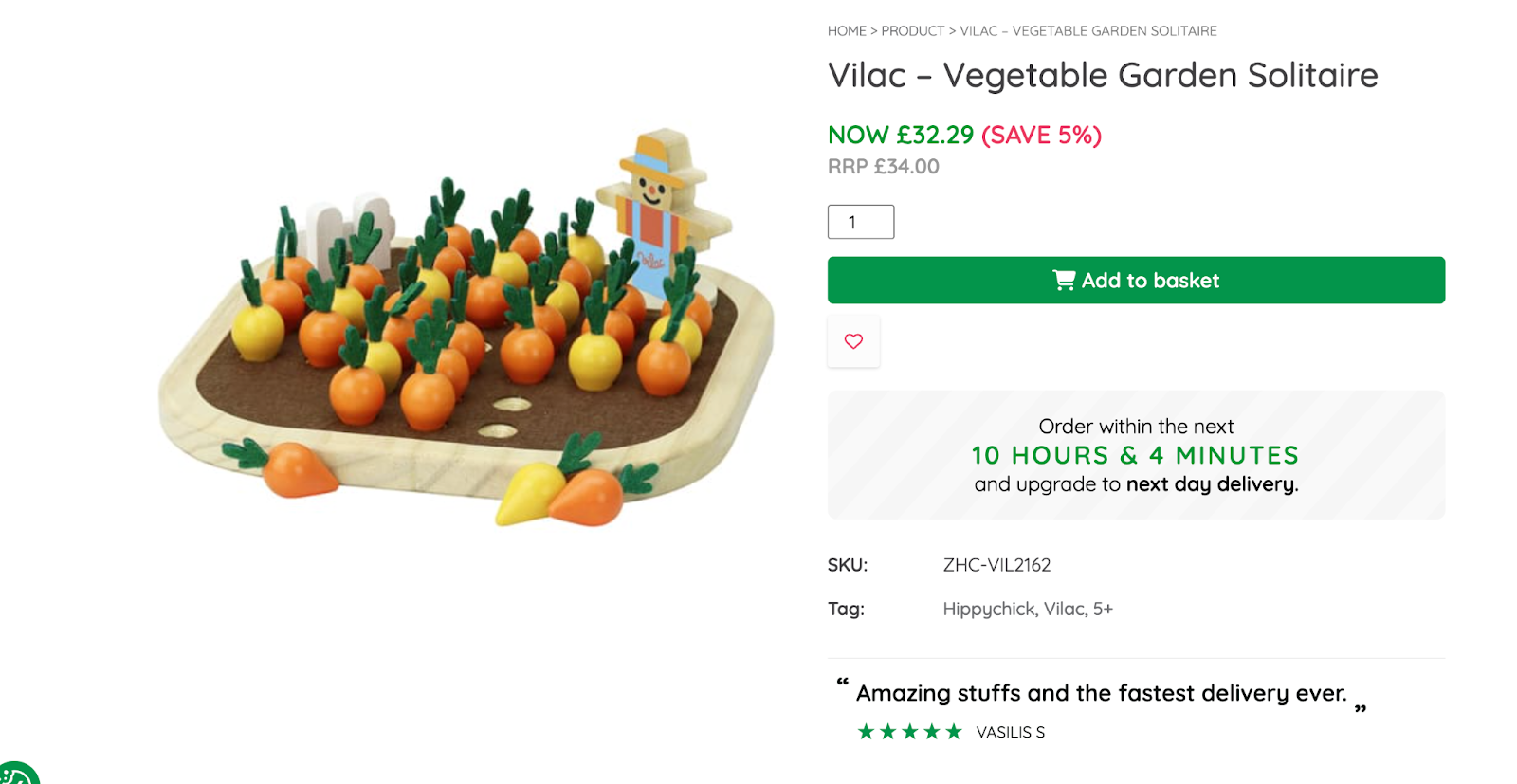
Shipping cutoffs work because they answer one question parents care about in December: will this arrive on time. When that question is unresolved, conversion drops. When it is resolved, decisions speed up.
5. Use Exact Dates
“Order by Dec 15 for guaranteed delivery” converts better than “Order now” because it removes doubt. Vague urgency adds pressure without reassurance. Specific dates do the opposite.

Place cutoff dates where decisions happen, product pages, cart, checkout, and key emails. Footer banners are too late.
6. Match Shipping Messaging to the Moment
The date does not change often. The framing should.
- Early season: “Order by Dec 15 for guaranteed delivery”.
Reassures planners they are still ahead. - Peak weeks: “Only X days left for guaranteed delivery”.
Helps buyers decide now instead of later. - Late season: “Last day for guaranteed delivery” or “Ships immediately, arrives after Christmas”.
Reduces hesitation by setting clear expectations.
Holiday Creative That Converts for Toy Brands
Most holiday toy creative fails for one simple reason. It looks like a product catalog wearing a Santa hat. In December, parents are not shopping for features. They are shopping for confidence.
7. Frame the Gift, Not the Product
Specs matter less than context. Parents want to know why this gift works for the child they are buying for.
Creative that performs well answers questions like:
- Is this age appropriate
- Will they actually use it
- Will it feel like a good gift, not a risky one
“Why this gift works” messaging consistently outperforms feature led ads during the holidays, especially for higher priced toys.
8. Show Play Moments
A posed product on a white background is easy to scroll past in December. Parents want to see the toy in action.
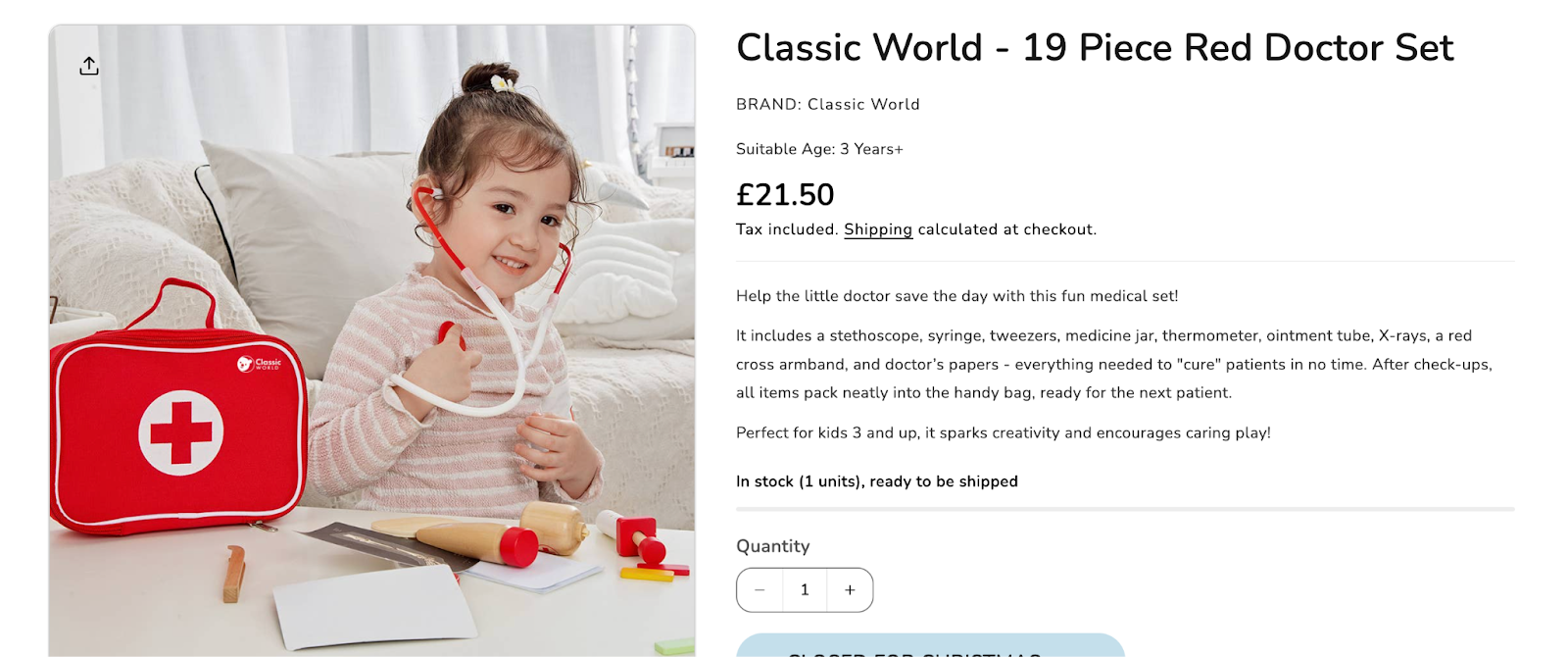
Show:
- How the toy fits into real play
- What happens after it is opened
- The moment of engagement
Movement and interaction signal value faster than specifications ever will.
- Use Parent Language and Real Reactions
UGC works during the holidays because it sounds like how parents actually talk. Simple, imperfect language builds trust faster than polished copy.
Look for phrases like:
- “They have not stopped playing with it”
- “Easy to set up”
- “Worth it for how much they use it”
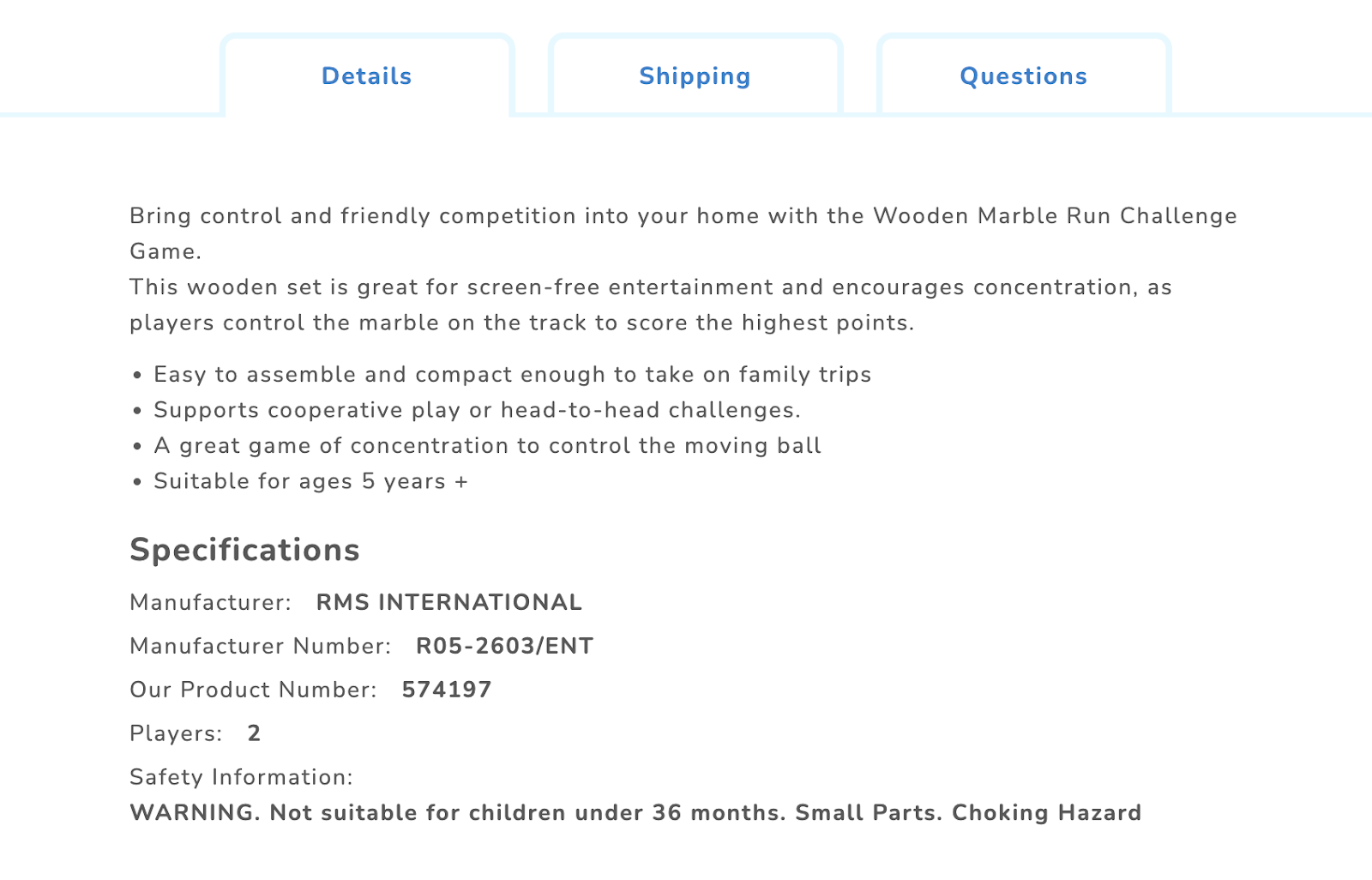
These lines reduce perceived risk without needing a discount.
Email and On-Site Optimization During the Holiday Season
In December, people do not need more messages.
Most toy brands increase email volume and add more site elements, expecting momentum to follow. Many holiday marketing ideas push in that direction. What actually moves performance is clarity. The fastest gains come from helping parents finish the task in front of them.
10. Fewer Emails, Clearer Jobs
Every holiday email should have one job. One gift. One decision.
High-performing December emails usually fall into three buckets:
- Gift guidance: “Here’s the right gift for this age or interest”
- Decision support: social proof, bestsellers, repeat favorites
- Timing clarity: reminders tied to real deadlines
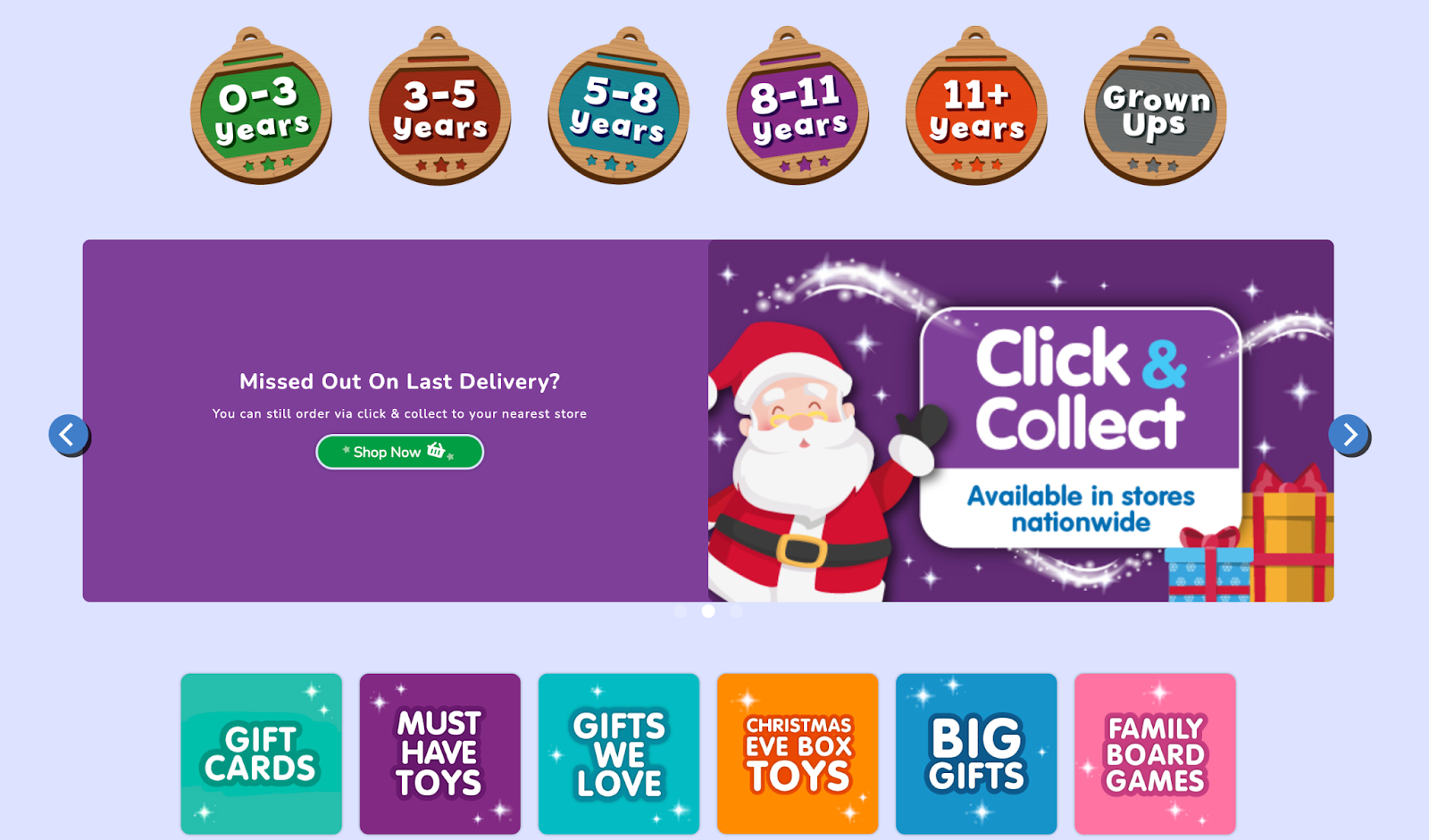
11. Treat the Site Like a Gift Assistant
During Q4, your site transforms from a brand experience into a decision tool, where ecommerce personalization helps parents find the right gift faster instead of sorting through everything.
What helps most:
- Clear gift collections instead of endless grids
- Bestsellers called out early
- Simple explanations of why a toy is a good gift
Anything that makes a parent scroll, guess, or cross-check increases drop-off. Anything that shortens the path to “this works” lifts conversion.
12. Stop Optimizing for Browsing
December shoppers bring strong pick-me energy. They're not like other shoppers, which is why many standard CRO tips fall short during the holiday rush.
That means fewer distractions, fewer competing messages, and fewer “discover more” moments. Highlight what matters now and remove everything else.
What to Do Instead of a Panic Sale during the Holiday Season
Every toy brand hits a moment in December where sales slow and someone says it out loud. “Should we run something?”
That moment does not mean you failed. It means you need a controlled response.
13. Start With Inventory, Not Discounts
Look at what actually needs to move. Focus on specific products, not the entire catalog.
A targeted push on a few SKUs performs better than a storewide offer and protects the rest of your pricing. Narrow focus keeps the message clear and avoids training shoppers to wait for blanket deals.
14. Use Access to Create Momentum
Early access, email-only drops, or limited availability for subscribers can unlock demand without changing public pricing.
These offers feel intentional. They reward attention and loyalty instead of signaling desperation. They also give you a lever that does not echo across every channel at once.
15. Save Discounts for When They Actually Solve a Problem
There are moments when price adjustments make sense. Excess inventory. Post-holiday timing. Channel-specific cleanup.
The difference is intent. Planned discounts support a broader strategy. Panic sales fill silence and leave damage behind.
A slower week does not require louder promotion. It requires a smarter move that keeps control where it belongs.
Conclusion
The holidays will always be intense for toy brands. What changes is how reactive the season feels once things speed up.
Strong Q4 performance comes from clear decisions made at the right moments. Brands that protect margin focus on how parents buy, adjust as pressure builds, and use clarity to move people forward without second guessing.
Discounts stay available, but they stop driving every choice. Timing, messaging, and focus do more of the work.
That approach keeps the season manageable. Fewer rushed calls. Cleaner execution. More confidence that each move makes sense.
When January arrives, the brand feels intact and ready for what comes next.
[[cta5]]



.avif)


.avif)