



In this article
Crowdfunding has produced some incredible success stories over the past decade. From innovative tech products to breakout tabletop games and consumer gadgets, certain campaigns didn’t just meet their goals, they shattered expectations.
In this article, we’ve rounded up 15 of the most successful crowdfunding campaigns of the decade across Kickstarter and Indiegogo. Each one stands out for the scale of its funding and the impact it had on the platform and its category.
Beyond the headline numbers, we’ll also highlight key takeaways from each campaign and actionable insights you can apply to your own launch.
1. Surprise! Four Secret Novels by Brandon Sanderson
Platform: Kickstarter
Year: 2022
Funds Raised: $41,754,153
Backers: 185,341
Category: Publishing, Fiction
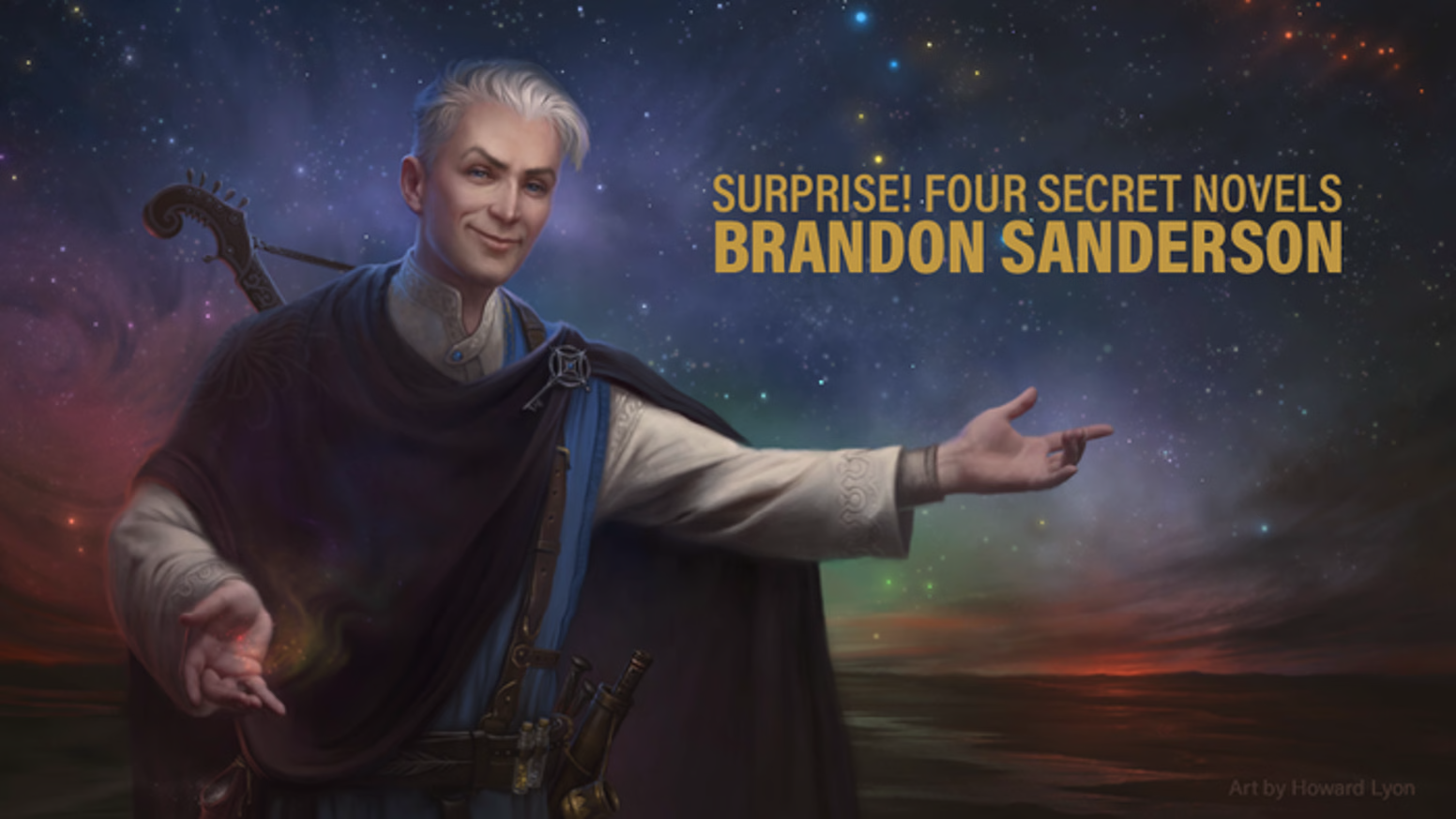
Brandon Sanderson used the campaign to unveil four novels written in secret during the pandemic. Structured as “A Year of Sanderson,” it delivered one new book each quarter in 2023 and gave fans the option to receive themed swag boxes in the months between releases.
Why It Succeeded:
- High-intensity announcement hook built around the “secret novels” reveal, concentrating global attention into a single conversion window
- Massive direct-to-fan email list and social audience that converted immediately at launch
- Strong tier ladder covering ebooks, audiobooks, premium hardcovers, and a full “Year of Sanderson” bunAdle up to $500
- Subscription-style framing with quarterly book drops and monthly swag boxes, increasing average pledge value
- Creator-owned fulfillment through Dragonsteel, reinforcing trust and operational credibility
- Media amplification driven by record-breaking momentum and social proof
What Founders Can Replicate:
- Use a single, clear narrative hook that turns the launch into an event
- Build a tier structure that captures multiple price sensitivities, not one product level
- Convert existing audience attention into immediate day-one revenue
Why It Still Matters in 2026:
- Direct-to-fan fulfillment is now more common, but few creators have this level of audience depth
- Event-style launches still outperform slow-roll announcements
- Premium editions and collector framing remain strong levers for community-driven categories
2. Roller Pro Carry-On Luggage
Platform: Kickstarter
Year: 2025
Funds Raised: $13,408,553
Backers: 24,219
Category: Product Design
Peak Design entered the rolling luggage category with its first carry-on suitcase. The Roller Pro was positioned as a ground-up redesign of the traditional roller, built around a proprietary SlimDrive™ handle system and hybrid soft-hard construction. It became one of the most funded design projects in Kickstarter history.

Why It Succeeded:
- Leveraged 13 prior successful Kickstarter launches to create immediate trust
- Anchored pricing against a $599.95 MSRP while offering 29-31% campaign discounts
- Introduced tiered fulfillment, “Get It ASAP” vs wait-and-save, to segment buyers by urgency
- Built around proprietary hardware innovation, SlimDrive™ carbon fiber handle
- Tapped into an existing ecosystem of Peak Design camera cubes and packing tools
- Framed Kickstarter as part of their brand identity, not as startup funding
What Founders Can Replicate:
- Use Kickstarter as a structured pre-order engine, even as an established brand
- Anchor pricing clearly against retail MSRP to make discounts tangible
- Segment fulfillment timing to manage production risk while maximizing volume
Why It Still Matters in 2026:
- Established brands continue using crowdfunding as a launch platform
- Hardware innovation still drives premium pricing power
- Structured fulfillment tiers help balance demand spikes with manufacturing constraints
3. Circular Ring 2: World’s Most Advanced Health Tracking Ring
Platform: Kickstarter
Year: 2025
Funds Raised: $4,078,500
Backers: 13,695
Category: Gadgets
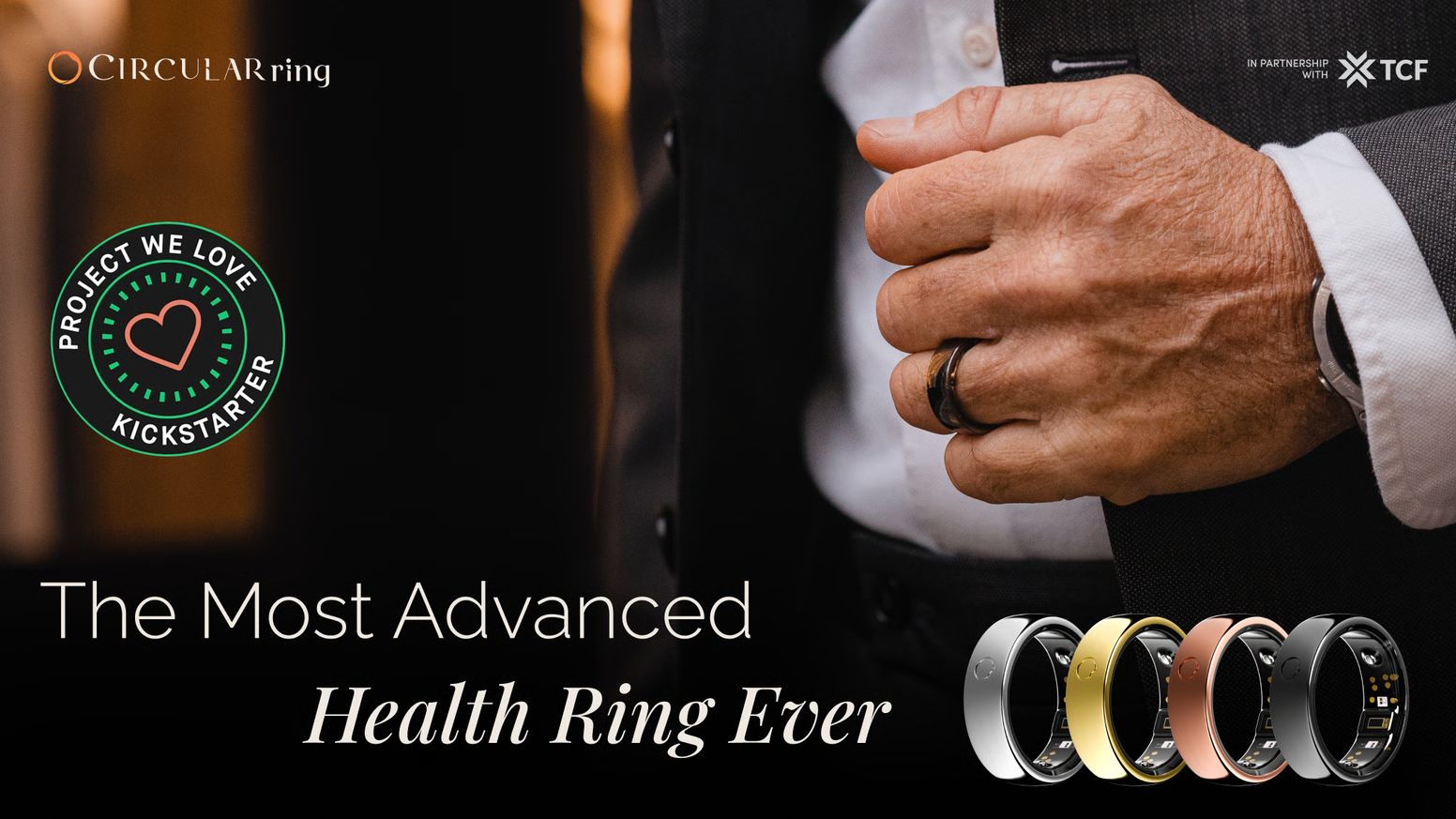
Circular Ring 2 launched as a next-generation smart ring combining 140+ biometrics, AI-powered insights, and a no-subscription model. Positioned as a medically advanced yet lifestyle-friendly wearable, the campaign was fully designed and managed by TCF, who built the pre-launch engine, pricing strategy, and multi-platform rollout.
Why It Succeeded:
- Pre-launch built a 10,000+ person audience before launch
- Fully funded in 4 minutes, creating immediate social proof
- A/B pricing test increased launch price from $209 to $239, boosting revenue by 14%
- Multi-platform paid strategy across Meta, Google, YouTube, Reddit, TikTok, and LinkedIn
- Founder-led storytelling replaced influencer reliance
- Smart bundle architecture lifted AOV above $300
- Rapid messaging pivot after Kickstarter restricted medical claims
What Founders Can Replicate:
- Test pricing before launch using real traffic
- Build an owned community, not only an email list
- Use compliance constraints as a positioning refinement opportunity
Why It Still Matters in 2026:
- Health tech crowdfunding now demands higher trust and regulatory awareness
- AI-driven positioning resonates when tied to clear daily use cases
- Structured pre-launch and pricing validation remain decisive growth levers
4. Brandon Sanderson's Cosmere RPG
Platform: Kickstarter
Year: 2024
Funds Raised: $15,149,874
Backers: 55,106
Category: Tabletop Games
The Cosmere RPG expanded Brandon Sanderson’s universe into a full tabletop roleplaying system. It launched with Stormlight content but quickly positioned itself as a long-term Cosmere platform, with Mistborn and other worlds scheduled for future releases.
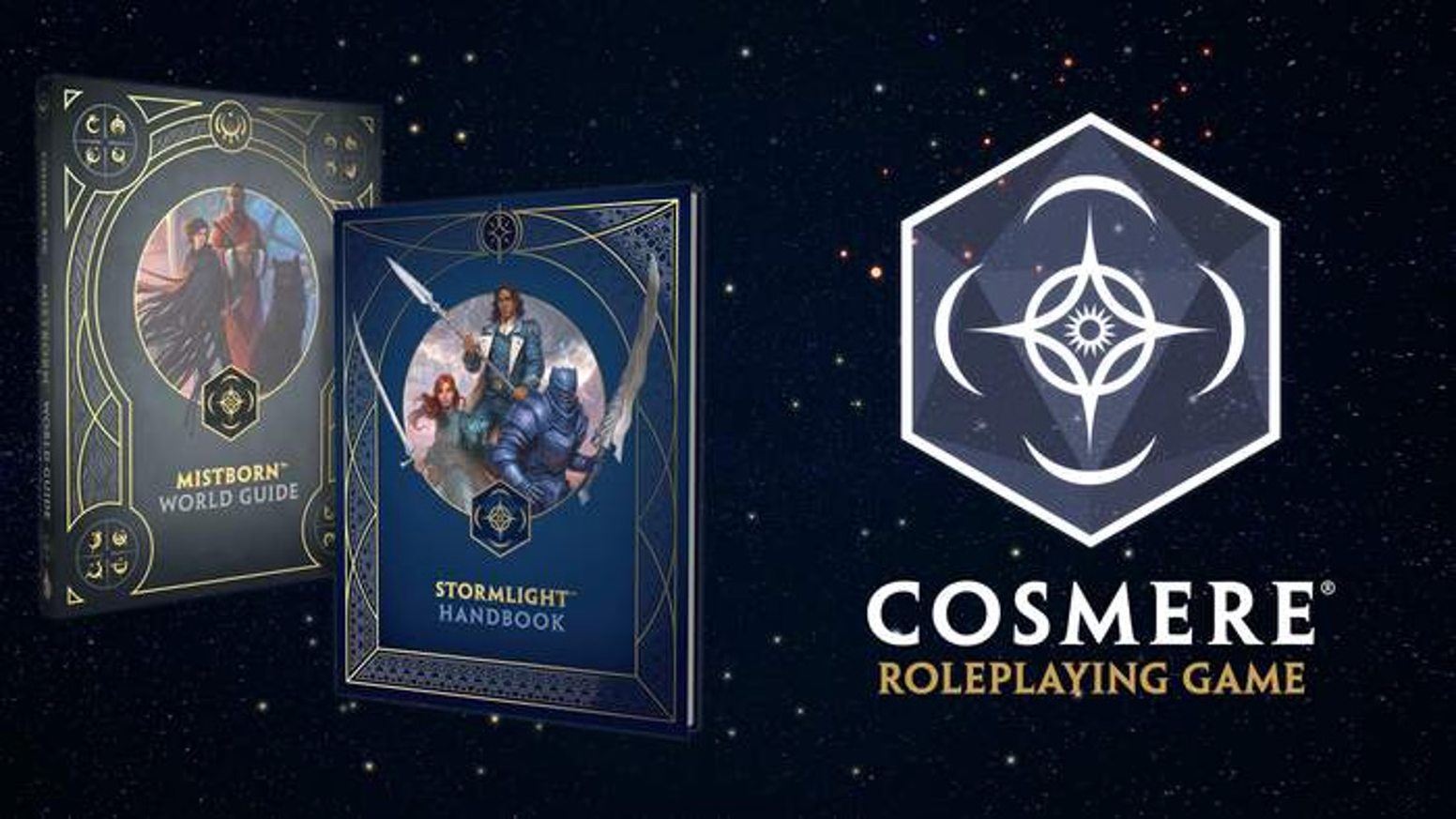
The campaign ran for 23 days and became the most funded tabletop RPG project in Kickstarter history.
Why It Succeeded:
- Leveraged a massive existing IP with built-in narrative depth and global fandom
- Early reveal that the RPG would span the entire Cosmere, increasing long-term perceived value
- Strong premium tier ladder, including Player, GM, and Collector levels
- High average pledge, driven by all-in bundles, miniatures, dice, and multi-book sets
- Rapid early funding momentum, surpassing $2M within hours and $5M in 24 hours
- Positioned as a canonical, evolving system tied to future novels
What Founders Can Replicate:
- Expand successful IP into adjacent product formats with clear long-term roadmap
- Design pledge tiers that serve different audience motivations, players vs collectors
- Use early momentum and scale milestones as active marketing drivers
Why It Still Matters in 2026:
- Tabletop remains one of the strongest Kickstarter categories for community-driven IP
- Canonical expansions and “living” product ecosystems outperform one-off launches
- Premium physical components and bundled tiers continue to drive high average pledge sizes
5. Travel Tripod by Peak Design
Platform: Kickstarter
Year: 2019
Funds Raised: $12,143,435
Backers: 27,168
Category: Product Design
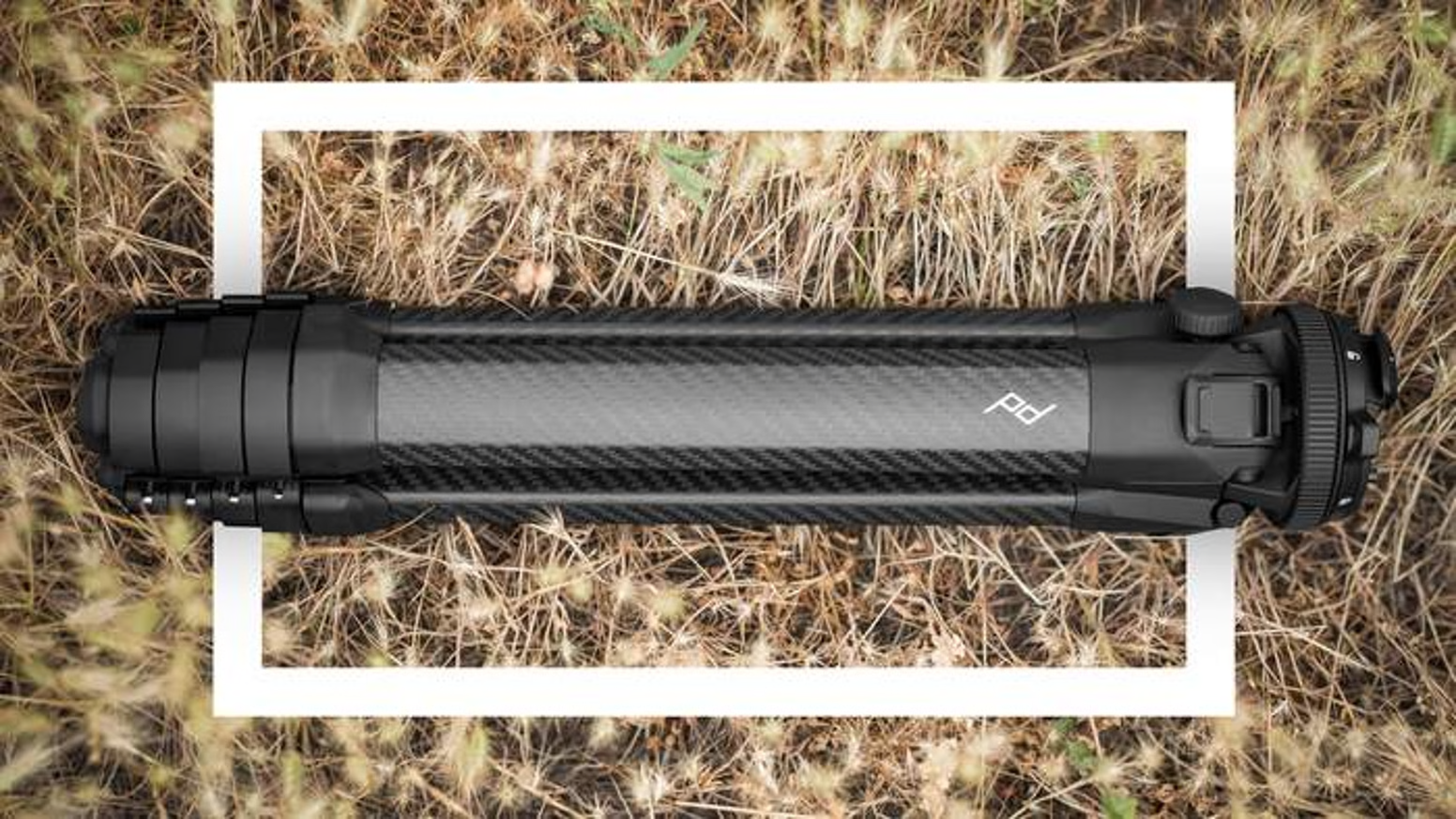
Peak Design redesigned the traditional tripod from the ground up. The core problem was wasted space in conventional designs. The Travel Tripod packed down to the diameter of a water bottle while maintaining professional stability.
It became one of the most funded photography products in Kickstarter history.
Why It Succeeded:
- Leveraged 8 prior successful Kickstarter launches to build immediate credibility
- Focused on one clear pain point, bulky tripods that are hard to travel with
- Invested four years in engineering, reinforcing product authority
- Anchored pricing against $349 and $599 MSRP to highlight campaign savings
- Offered aluminum and carbon fiber tiers to drive higher average pledge value
- Activated photography YouTube creators and niche media during launch
What Founders Can Replicate:
- Build the campaign narrative around solving one obvious, universal problem
- Use material or performance tiers to create natural upsell paths
- Engage niche creator communities before and during launch
Why It Still Matters in 2026:
- Engineering-led storytelling continues to convert in hardware categories
- Premium accessories and ecosystem compatibility increase lifetime value
- Established brands can repeatedly use crowdfunding as a structured launch engine
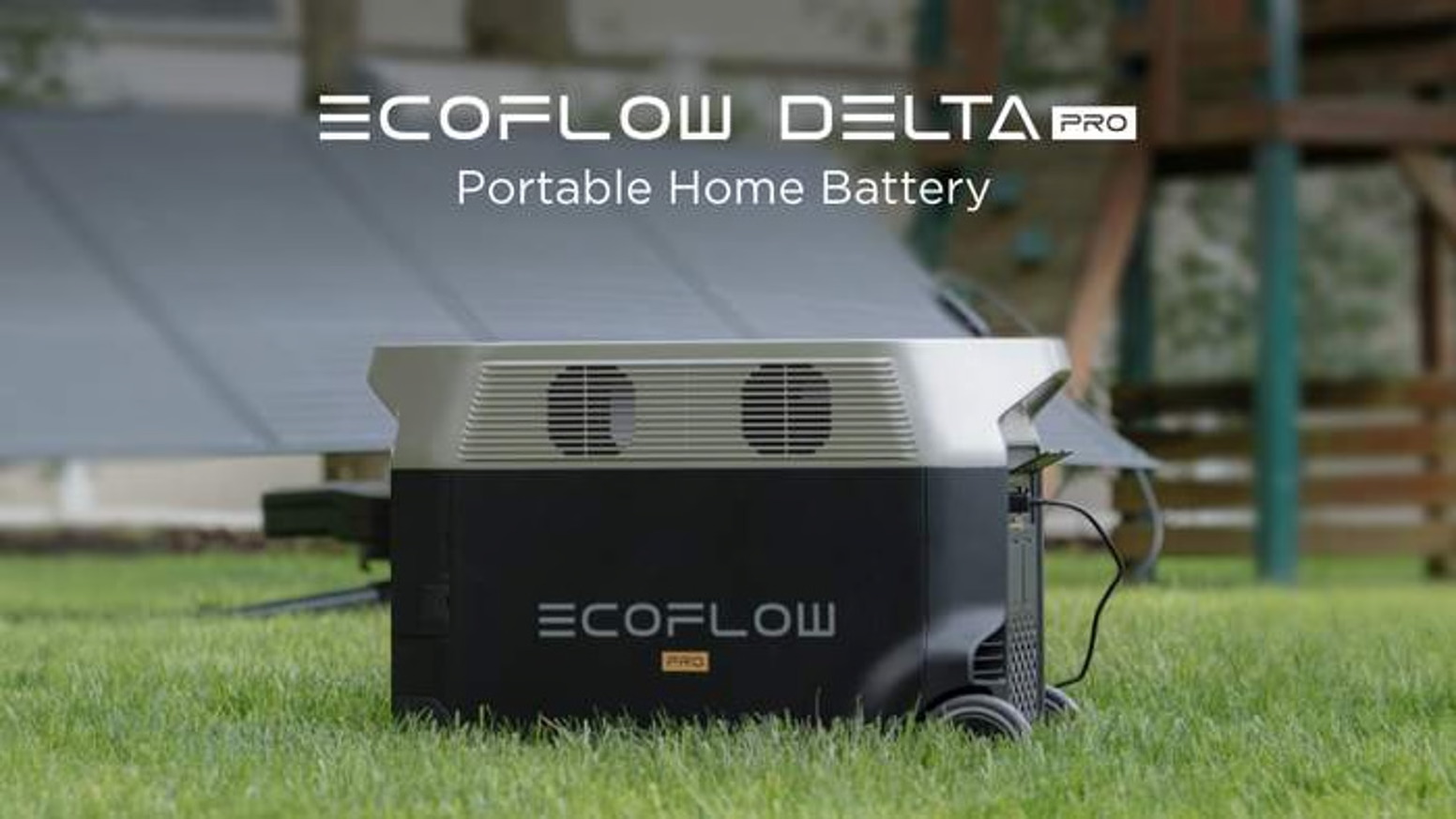
6. EcoFlow DELTA Pro: The Portable Home Battery
Platform: Kickstarter
Year: 2021
Funds Raised: $12,179,651
Backers: 3,199
Category: Technology
EcoFlow positioned the DELTA Pro as the world’s first portable home battery. It was framed as a complete energy ecosystem rather than a single power station.
With expandable capacity up to 25kWh and integration into home circuits, it redefined what “portable power” meant on Kickstarter.
Why It Succeeded:
- Reframed the product category from “power station” to portable home battery
- Hit $1M in 10 minutes, creating immediate momentum and social proof
- Targeted real-world pain points, grid instability, outages, and rising energy costs
- Built an expandable ecosystem with batteries, solar panels, generators, and smart panels
- Offered aggressive early-bird pricing on a premium $2,000–$7,000 product ladder
- Used multi-channel launch assets, video ads, email, landing pages, and press
What Founders Can Replicate:
- Redefine the category instead of competing inside an existing one
- Use milestone momentum as ongoing conversion content during the campaign
- Design high-ticket bundles that dramatically increase average pledge value
Why It Still Matters in 2026:
- Energy independence and backup power remain strong global concerns
- Ecosystem-based hardware continues to outperform standalone devices
7. Frosthaven
Platform: Kickstarter
Year: 2020
Funds Raised: $12,969,608
Backers: 83,193
Category: Tabletop Games
Frosthaven launched as the standalone sequel to Gloomhaven, already one of the highest-rated board games ever made. It expanded the universe with deeper campaign mechanics, town-building systems, and massive scenario depth.
Launched at the start of the pandemic, it quickly became the most funded board game in Kickstarter history at the time.

Why It Succeeded:
- Built on a proven franchise with a large, loyal global fanbase
- Hit its funding goal within minutes, signaling instant demand
- Offered clear gameplay expansion, 100+ scenarios, 16 new classes, deeper systems
- Used tiered bundles, including all-in franchise options up to $285
- Activated board game media, YouTube reviewers, and early previews
- Maintained strong creator credibility from previous successful deliveries
What Founders Can Replicate:
- Launch sequels only after earning deep community trust
- Design bundle ladders that increase average pledge value
- Use franchise continuity as a conversion engine
Why It Still Matters in 2026:
- Community-driven tabletop still dominates crowdfunding
- High-complexity, premium-priced games can scale with trust
- Franchise IP with consistent delivery compounds over time
8. Kode Dot: The All-In-One Device for Makers, Hackers & Geeks
Platform: Kickstarter
Year: 2025
Funds Raised: $2,797,230
Backers: 13,551
Category: Product Design
Kode Dot launched as a pocket-sized, all-in-one maker device built around the ESP32 platform. Designed for builders tired of messy breadboards and fragmented setups, it combined touchscreen, sensors, wireless connectivity, and modular expansion into one compact system.
The campaign was supported by the TCF team, with a strong focus on testing, adapting, and building momentum based on how backers responded throughout the live campaign.

Why It Succeeded:
- Identified a clear niche, makers frustrated with cluttered prototyping
- Actively reshaped stretch goals based on backer surveys, especially NFC demand
- Added high-conversion modules mid-campaign, including a hacking expansion
- Structured bundles around real use cases, not artificial upsells
- Refreshed ad creatives frequently to prevent fatigue
- Maintained strong founder visibility across social and community channels
What Founders Can Replicate:
- Treat feedback as product input, not comment management
- Align add-ons with deeper utility compared to cosmetic upgrades
- Scale ads only after conversion behavior stabilizes
Why It Still Matters in 2026:
- Niche hardware can scale when messaging is precise
- Community-led iteration can unlock mid-campaign acceleration
- Modularity remains a powerful lever for increasing average order value
9. Critical Role: The Legend of Vox Machina Animated Special
Platform: Kickstarter
Year: 2019
Funds Raised: $11,385,449
Backers: 88,887
Category: Animation
Critical Role went to Hollywood first. Studios passed. So they turned to their audience instead. What was meant to fund a single 22-minute animated special quickly transformed into a full 10-episode series. Within hours, the campaign proved that the demand was already there, and it wasn’t small.

Why It Succeeded:
- Activated a massive, deeply engaged fanbase from day one
- Hit $750K in under an hour, creating instant social proof
- Expanded scope through stretch goals, evolving into a full season
- Framed the campaign as creative independence from traditional studios
- Offered tiered rewards, from digital downloads to executive producer credits
- Sustained press momentum with milestone-driven updates
What Founders Can Replicate:
- Build true audience loyalty long before monetization
- Let demand dictate expansion instead of overbuilding upfront
- Use crowdfunding as proof-of-market leverage
Why It Still Matters in 2026:
- Fan-funded IP now regularly converts into studio-scale distribution
- Crowdfunding can serve as a validation layer before streaming deals
- Community ownership creates long-term franchise durability
10. Kamingo: Turn Your Bike into a 750W E-bike in 10 Sec
Platform: Kickstarter
Year: 2025
Funds Raised: $1,811,377
Backers: 4,529
Category: Technology
Kamingo launched as a lightweight, modular e-bike converter that transforms any standard bicycle into a 750W electric ride in seconds. It was positioned as a clean, removable alternative to bulky conversion kits and expensive full e-bikes.
The campaign was fully designed and managed by TCF, who integrated PR, paid media, email, and community activation into one coordinated launch system.

Why It Succeeded:
- Clear positioning around instant installation and modular design
- Strong differentiation in a crowded micromobility market
- Integrated PR strategy driving over $60K in tracked conversions
- Media placements across Yahoo Finance, Bikerumor, Autoevolution, Netzwelt, and others
- Omnichannel rollout combining ads, email marketing, and community building
- Strong early momentum, surpassing $1M within the first week
- Bundled offers and limited-time specials driving urgency
What Founders Can Replicate:
- Use PR as a conversion driver, not only a credibility tool
- Align media coverage with paid and email amplification
- Emphasize simplicity and installation speed in hardware messaging
Why It Still Matters in 2026:
- Micromobility remains a competitive but high-demand category
- Backers expect functional innovation with minimal complexity
- Integrated launch systems outperform single-channel campaigns
11. Avatar Legends: The Roleplaying Game
Platform: Kickstarter
Year: 2021
Funds Raised: $9,535,317
Backers: 81,567
Category: Tabletop Games
An officially licensed tabletop RPG set in the world of Avatar: The Last Airbender and The Legend of Korra, this campaign became the highest-funded TTRPG in Kickstarter history. What began with a modest $50,000 goal turned into a $9.5M phenomenon within 30 days.

Why It Succeeded:
- Leveraged a globally recognized franchise with multigenerational appeal
- Reached its funding goal in 16 minutes, triggering immediate momentum
- Combined trusted license with an experienced RPG publisher
- Released a playable quickstart before launch, lowering friction
- Structured reward tiers that scaled from digital entry to deluxe editions
- Sustained press coverage as funding milestones kept breaking records
What Founders Can Replicate:
- Pair strong IP with mechanical credibility and proven delivery history
- Reduce buyer hesitation through playable previews
- Design tier ladders that increase average pledge value
Why It Still Matters in 2026:
- Licensed IP remains one of the strongest multipliers in crowdfunding
- TTRPGs proved they can scale into eight-figure territory
- Audience expansion beyond core hobbyists is possible with the right bridge property
12. Let’s Make More MST3K & Build The Gizmoplex!
Platform: Kickstarter
Year: 2021
Funds Raised: $6,519,019
Backers: 36,581
Category: Television
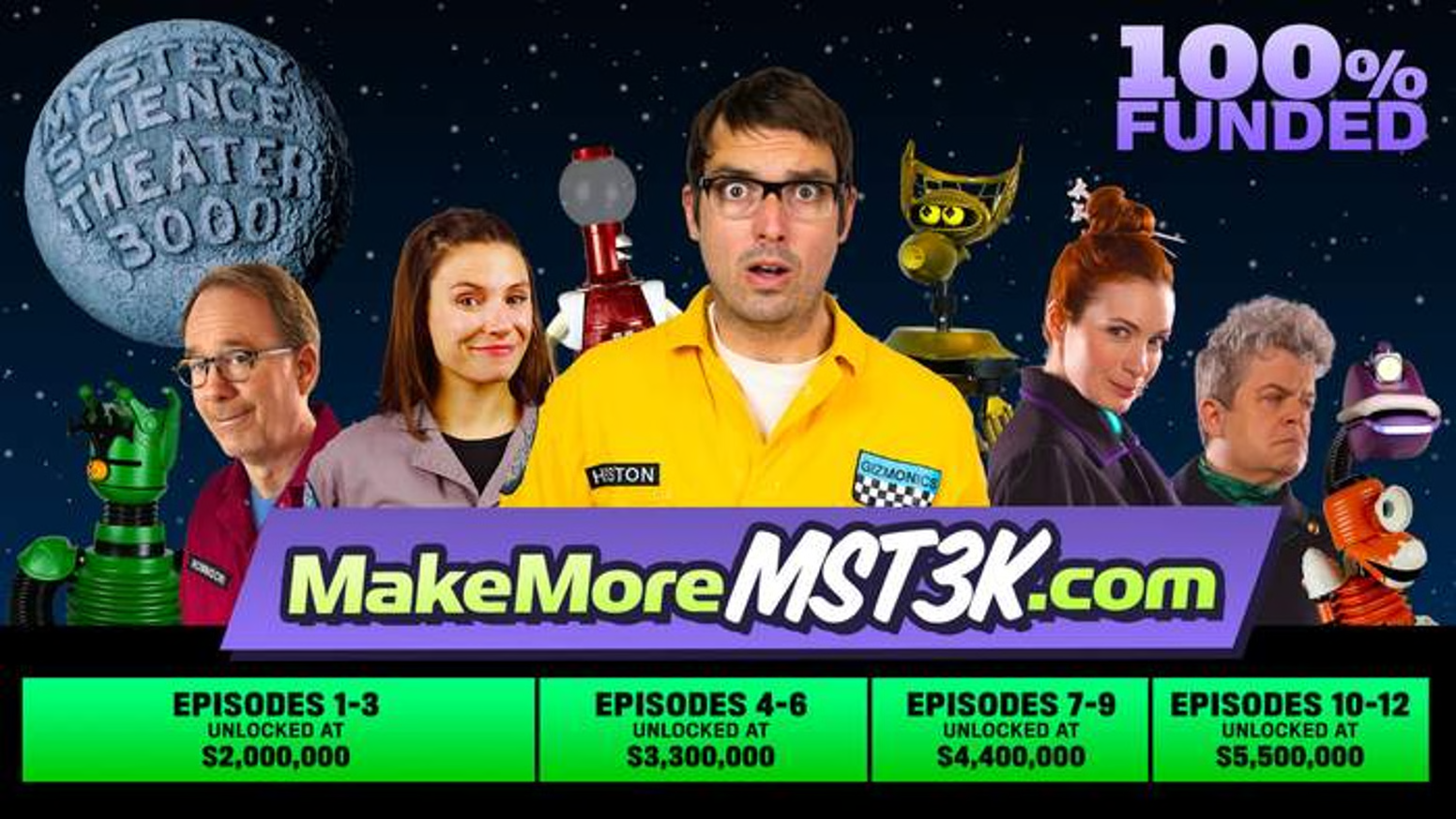
After Netflix declined to renew the series, Joel Hodgson returned to Kickstarter to fund a new season independently. The campaign promised more episodes of Mystery Science Theater 3000 and the creation of the Gizmoplex, a dedicated online platform where fans could stream premieres and attend live virtual events.
Why It Succeeded:
- Reactivated a loyal, multi-decade fanbase with strong nostalgia pull
- Framed the campaign as independence from traditional networks
- Hit $2M in under 48 hours, creating immediate momentum
- Structured stretch goals that expanded from 3 to 13 episodes
- Combined content funding with infrastructure funding, episodes plus platform
- Offered layered reward tiers, digital access, collectibles, credits, live events
What Founders Can Replicate:
- Pair product funding with long-term ecosystem building
- Use stretch goals to progressively unlock scale
- Position crowdfunding as audience ownership, not bailout
Why It Still Matters in 2026:
- Demonstrated that legacy IP can pivot to direct-to-fan distribution
- Validated crowdfunding as a financing tool for media independence
- Highlighted the long-term complexity of sustaining fan-funded platforms
13. MATE X: The Coolest Foldable eBike EVER
Platform: Indiegogo
Year: 2018
Funds Raised: $17,595,711
Backers: 31,271
Category: Transportation
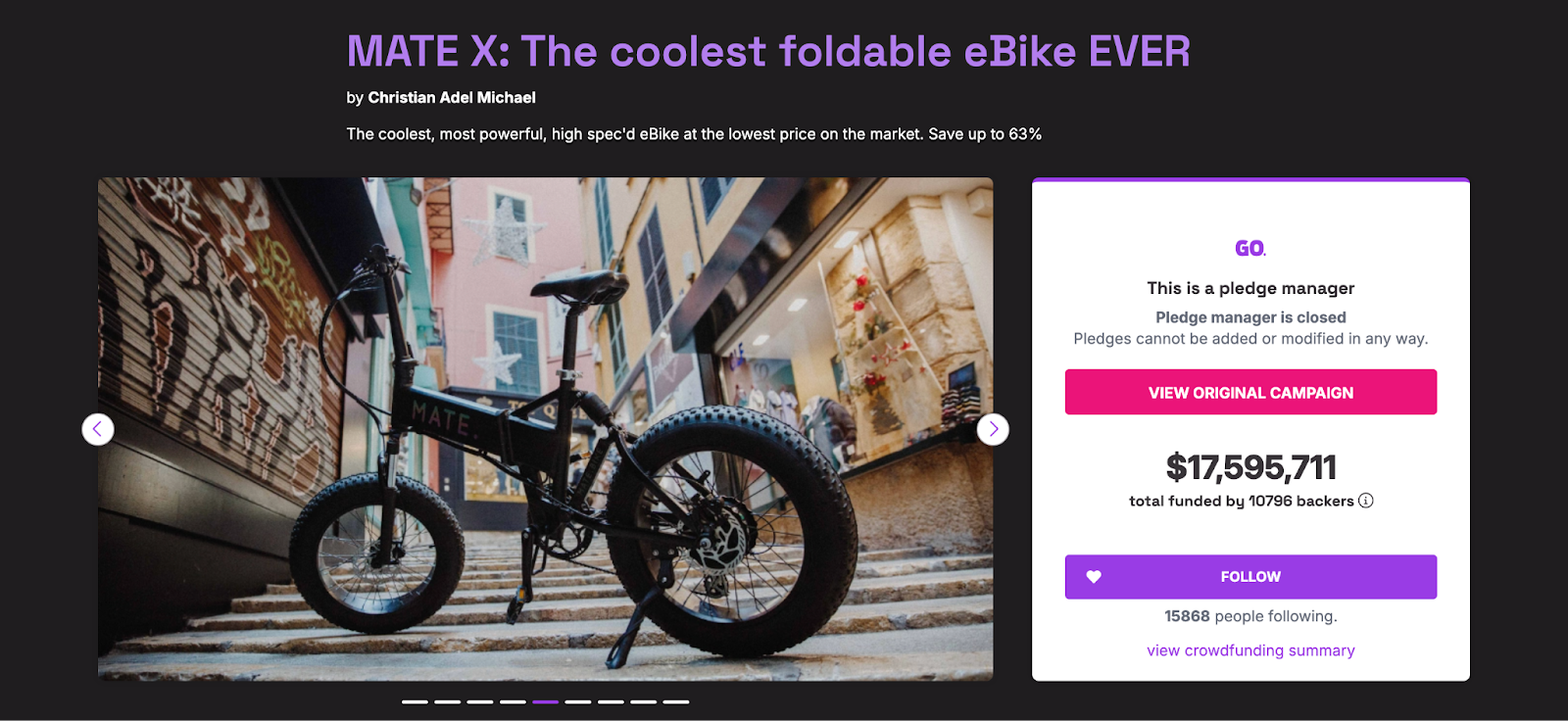
MATE X positioned itself as the world’s coolest foldable eBike, blending bold design with urban mobility. Following a successful earlier campaign, the founders returned with a more powerful, upgraded version and scaled from millions to nearly $18M, becoming one of Europe’s largest crowdfunding successes.
Why It Succeeded:
- Positioned the bike as a lifestyle statement, not a technical gadget
- Leveraged an existing global backer base from the first MATE campaign
- Used aggressive early-bird pricing to drive urgency
- Combined viral video creatives with strong Facebook ad distribution
- Set a low funding goal to trigger rapid “funded” status
- Offered multiple motor and battery configurations to widen appeal
What Founders Can Replicate:
- Build community between campaigns, not only during them
- Frame hardware through identity and design, not only specs
- Use price anchoring and early tiers to accelerate velocity
Why It Still Matters in 2026:
- Micro-mobility remains a high-demand crowdfunding category
- Lifestyle positioning continues to outperform spec-heavy messaging
- The campaign highlights both the upside of scale and the operational pressure that follows
14. Lomi: Turn Waste To Compost With A Single Button
Platform: Indiegogo
Year: 2021
Funds Raised: $7,236,178
Backers: 19,442
Category: Energy and Green Tech
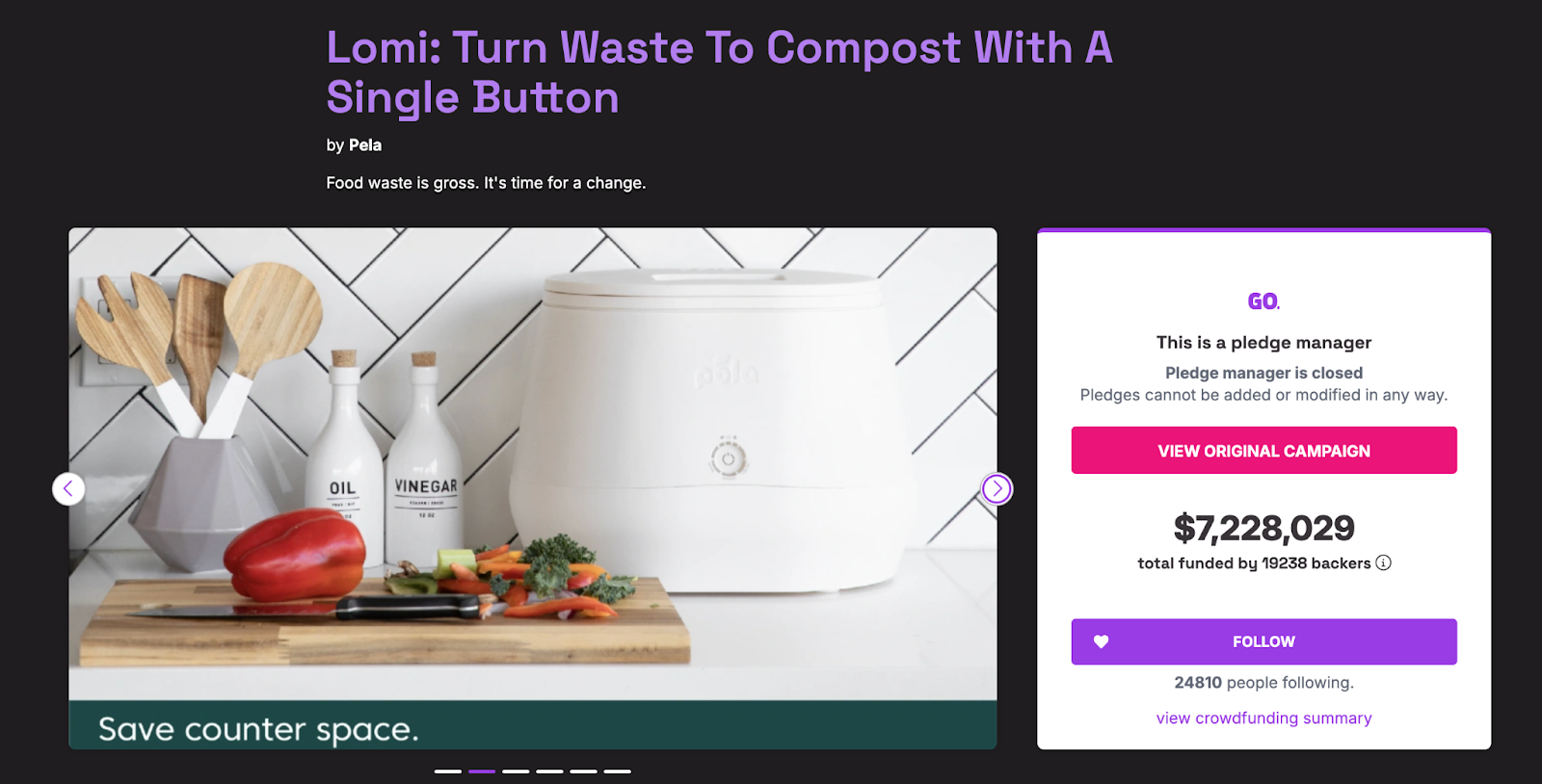
Lomi launched as a one-button countertop composter that turns food waste and certain bioplastics into usable compost in under 24 hours. Backed by Pela’s sustainability-driven brand equity, the campaign positioned Lomi as a convenience-driven climate solution for everyday households.
Why It Succeeded:
- Positioned as behavior change made effortless, convenience plus environmental impact
- Leveraged Pela’s existing brand trust and sustainability audience
- Strong pre-launch reservation funnel building 3,700+ VIPs
- $564K in direct revenue generated during prelaunch
- Advanced ad strategies using Campaign Budget Optimization and Cost Cap
- Low funding goal amplified early “funded” momentum
- Transitioned into Indiegogo InDemand to extend revenue beyond campaign
What Founders Can Replicate:
- Use a reservation funnel to pre-qualify buyers before launch
- Combine environmental mission with everyday practicality
- Extend momentum through InDemand rather than stopping at campaign close
Why It Still Matters in 2026:
- Sustainability products convert when framed as convenience, not sacrifice
- Prelaunch validation significantly reduces campaign risk
- Post-campaign scaling via InDemand remains a powerful revenue lever
15. ZeTime: Hybrid Smartwatch with Hands Over Screen
Platform: Indiegogo
Year: 2017
Funds Raised: $6,556,611
Backers: 32,836
Category: Fashion and Wearables
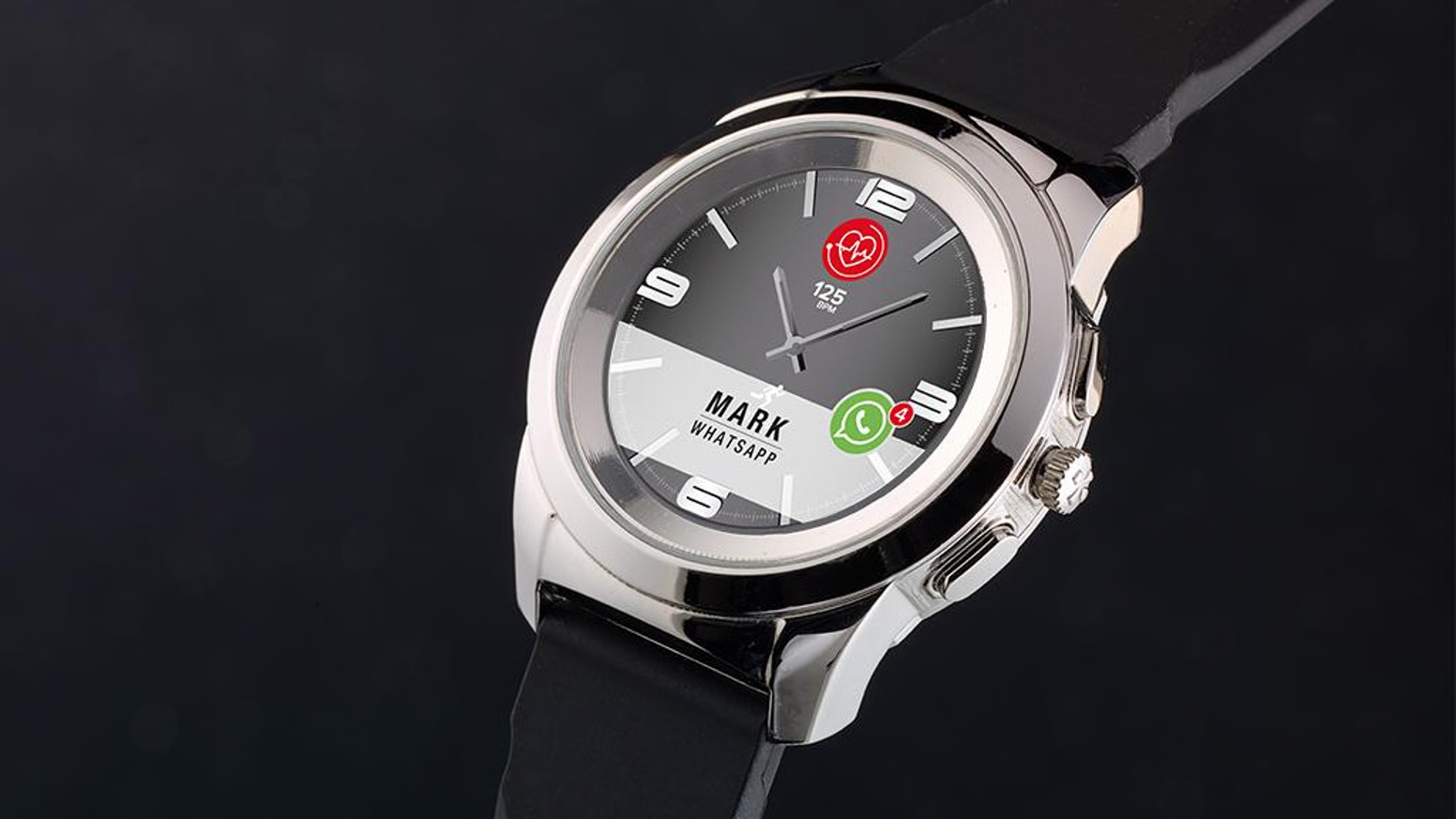
ZeTime introduced the world’s first hybrid smartwatch combining mechanical hands mounted through a full round color touchscreen. Designed in Switzerland, it positioned itself as a “no-compromise” wearable, blending traditional watch aesthetics with smart functionality.
Why It Succeeded:
- Clear differentiated mechanism, mechanical hands over a touchscreen
- Positioned as solving smartwatch design fatigue
- Strong “Swiss heritage” credibility narrative
- Competitive early-bird pricing for a premium-looking product
- High backer engagement influencing stretch goals and design options
- Transitioned momentum across multiple crowdfunding platforms
- Entered market during peak smartwatch experimentation phase
What Founders Can Replicate:
- Lead with a visible, defensible innovation
- Frame tech through lifestyle and design beyond specs
- Extend campaign lifecycle through multi-platform strategy
Why It Still Matters in 2026:
- Hybrid wearables remain a viable niche within smartwatch markets
- Physical design differentiation drives hardware funding
Common Patterns Across 15 Successful Crowdfunding Campaigns
After breaking down each campaign individually, the patterns become hard to ignore. Different categories. Different price points. Different years. Same underlying mechanics.
1. Pre-Launch Demand Was the Real Launch
Across these campaigns, launch day performance was rarely organic discovery. It was a release of stored demand.
Most of the strongest campaigns shared one of these:
- A pre-existing community from prior products
- A structured reservation funnel collecting deposits
- A large email list built through paid acquisition
- Years of IP or brand equity
You can see this clearly across multiple campaigns:
- Lomi, which built a 3,700+ person VIP reservation funnel and generated $564K before launch
- Circular Ring 2, which entered with a 10,000+ pre-launch audience and fully funded in 4 minutes
- Critical Role (Vox Machina), which activated a massive existing fanbase and hit $750K in under an hour
Our research and experience show that creators who begin the full campaign process at least 6 months before launch earn around 60% more revenue on average. Early positioning, list building, creative testing, and audience qualification compound over time.
Pre-launch list size directly correlates with Day 1 funding. Day 1 funding strongly predicts total raise.
And that loop showed up repeatedly.
2. Demonstration Beats Description
The highest-performing campaigns showed the product working.
Especially in hardware and tech, trust is fragile. Backers want proof that the mechanism is real, functional, and production-ready. Campaigns that rely on polished lifestyle copy without functional demos face more skepticism.
According to Wow How, using a strong crowdfunding video can improve campaign performance by up to 105%.
The winning campaigns consistently included:
- Clear product-in-action video demonstrations
- Close-up shots of the core mechanism
- Real-world use cases, not just renders
- Side-by-side comparisons versus existing alternatives
You can see this in:
- Travel Tripod (Peak Design), which visually demonstrated its space-saving design compared to traditional tripods
- ZeTime, where the hybrid mechanism, mechanical hands over a touchscreen, was shown clearly to prove it wasn’t a gimmick
- Kamingo, which focused on real-time installation demos to prove the “10-second e-bike conversion” claim
In crowdfunding, belief drives money. Demonstration builds it faster than copy ever will.
3. Established Communities Drastically Reduced CAC
When a campaign launched with an existing audience, everything moved faster.
Repeat creators. Strong brand equity. Prior backers. Engaged followers. These campaigns started from trust.
Here’s what we consistently saw:
- Higher Day 1 conversion rates
- Lower dependency on aggressive paid spend
- Stronger average pledge values
- Faster funding milestones
This dynamic was especially visible in:
- Frosthaven, which built on the Gloomhaven fanbase and hit funding within minutes
- Brandon Sanderson’s Secret Novels, where a massive direct-to-fan audience converted instantly at launch
- MATE X, which leveraged its previous campaign’s backers to scale to nearly $18M
As you can see, in several cases, community activation alone was enough to fully fund the project before paid amplification even scaled.
For new founders, the takeaway is to build a community deliberately. Email lists, social followings, waitlists, prior micro-products, beta testers. All of it compounds.
4. Urgency Pricing Increased Day 1 Funding Velocity
Pricing architecture showed up as a strategic lever.
Across categories, early-bird tiers consistently front-loaded funding. Limited quantities, time-sensitive pricing, and structured bundles created immediate decision pressure.
Patterns we saw repeatedly:
- Discounted early tiers selling out within hours
- Visible scarcity driving social momentum
- Tier jumps nudging average pledge value upward
- Low initial funding goals amplifying “Funded” status early
You can see this in practice:
- EcoFlow DELTA Pro, which used aggressive early-bird pricing across a $2,000–$7,000 tier ladder
- Avatar Legends RPG, which structured tiers from digital access to deluxe physical editions, increasing AOV
- MST3K (Gizmoplex), where layered rewards and stretch-driven expansion created urgency to upgrade early
Day 1 funding velocity matters more than most founders realize. Strong first-day performance signals legitimacy to the platform algorithm, press, and fence-sitters.
5. Social Proof Accelerated Mid-Campaign Slump Recovery
Almost every crowdfunding campaign hits a slowdown in the middle. Attention fades. Early backers are in. New traffic converts more slowly.
What separated strong campaigns from stalled ones was social proof depth.
We saw:
- Media coverage reinforcing legitimacy
- Influencer validation expanding reach beyond platform traffic
- High comment activity signaling demand
- Regular updates maintaining perceived progress
- User-generated content and testimonials surfacing mid-campaign
This showed up clearly across:
- Kamingo, where PR placements and media coverage directly contributed to conversions and sustained visibility
- Sanderson’s Cosmere RPG, where rapid milestone growth and fan engagement reinforced credibility throughout
- Kode Dot, where active community interaction and visible momentum reduced hesitation during slower phases
When backers see press logos, influencer reviews, active comment sections, and funding milestones climbing, perceived risk drops. That shift directly affects conversion during slower phases.
Conclusion
The last decade of crowdfunding makes one thing clear: big raises are not random.
Across books, tabletop games, hardware, wearables, energy, and media, the mechanics repeat. Strong pre-launch demand created Day 1 velocity. Clear product demonstrations increased trust. Tier architecture lifted the average pledge value. Social proof sustained momentum through the full funding window.
Scale came from systems.
Several campaigns on this list were designed and managed by TCF, where structured pre-launch systems, pricing validation, paid amplification, and real-time optimization were applied deliberately.
If you want help applying these systems, TCF provides full-stack crowdfunding marketing from pre-launch to post-campaign scaling.
[[cta2]]

.avif)
.avif)

.jpg)
%20(1).png)