Changing the Story, Not the Product
When Poopail came to us, we saw the problem right away: this wasn't about the product at all. It was about positioning and perception.
On Amazon, every image pixel, every word, every targeting choice shapes how a shopper understands your product. If those elements don't line up with the real use case, even the best product will miss the mark. That's exactly what happened to Poopail.
All we had to do was bridge the gap between what Poopail was and how Amazon shoppers were seeing it. Our role wasn't to reinvent it. Our role was to realign the story with reality. Here's how we did it, step by step:
Reset the visuals to match the truth
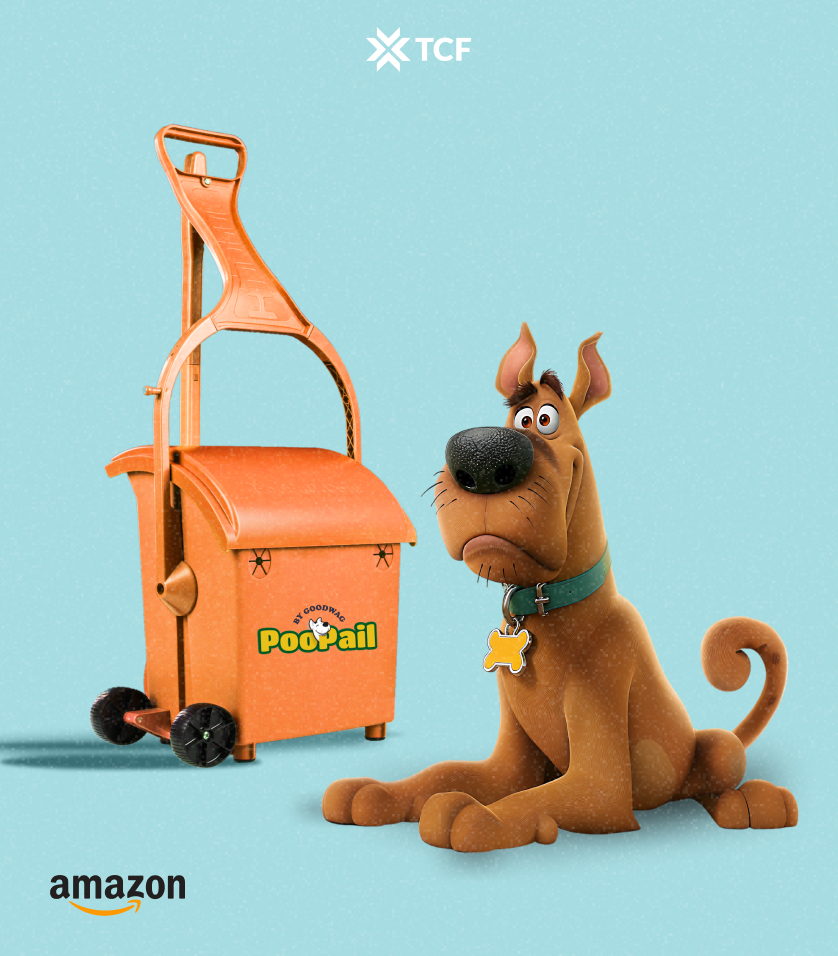
We organized a photoshoot that placed Poopail where it belonged: in homes, on patios, and in gardens, not on sidewalks. Because on Amazon, visuals aren't decoration; they are the first line of positioning.
Rebuilt the message around benefits, not confusion
We rewrote listings to speak to what pet parents actually care about: hygiene, convenience, and the relief of finally having a clean, odor-free system that works at home.
Redesigned the storefront as a trust engine
We restructured the Amazon brand page to tell a cohesive story, eliminating mixed signals and creating consistency that restores confidence.
Targeted the audience that mattered
Through refined paid campaigns, we focused Amazon ads' spend on real pet owners looking for home solutions, cutting out wasted clicks from buyers who would never be satisfied.
What we did wasn't random tinkering. It was a full strategic reset. We took a misunderstood product and rebuilt its Amazon presence so shoppers could finally see it for what it truly was.