Pet
Case Study: How Poopail Found Its True Story on Amazon
Let me tell you about the last day of Pico’s crowdfunding campaign and how a quarantined team of 80 joined together in one massive push to cross an unbelievable threshold.
March 26, 2026
TCF first partnered with Particula to launch their revolutionary AI chessboard, GoChess, on Kickstarter — raising $2M+ and turning it into one of the most talked-about tech campaigns of the year. But this isn't a crowdfunding case study. This is what came after.
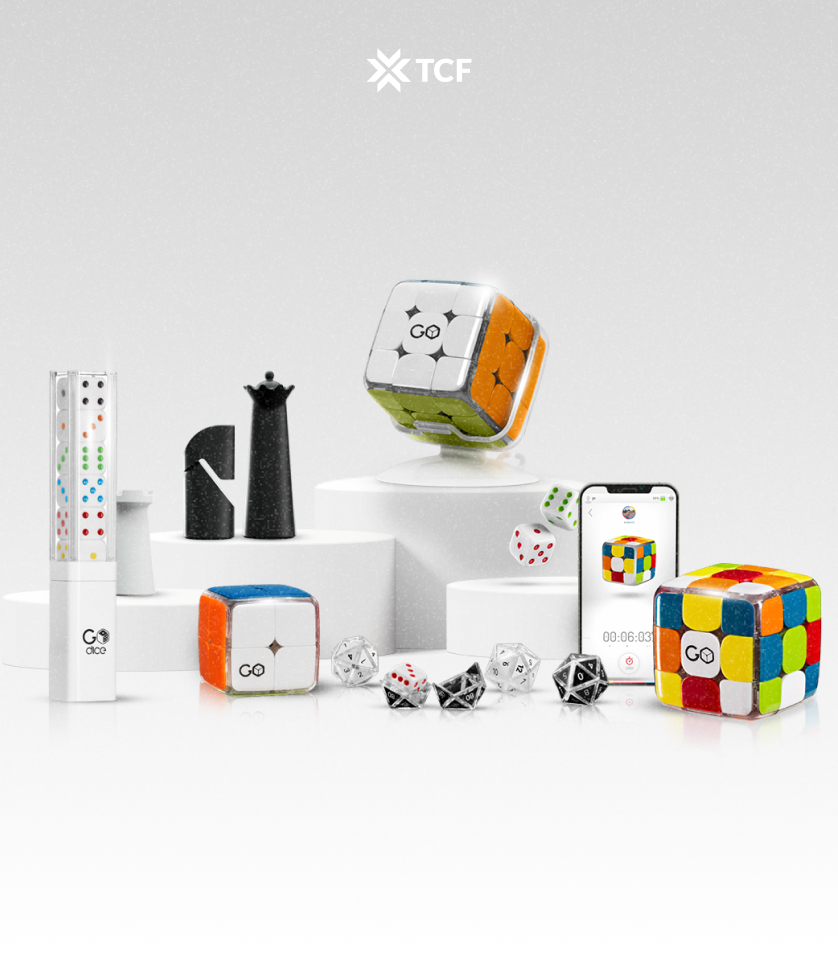
After the campaign, the Particula team came back — not to launch, but to scale their ecommerce presence. They didn't just want to sell GoChess. They wanted to build a long-term brand around their entire lineup of smart gaming products: GoCube, GoDice, and GoBalance.
The job was to build an SEO strategy that made sure when someone searched for "smart chess board" or "dice games for adults" or "balance board for kids," they'd find Particula — not just big box stores or Amazon listings.
Most of the traffic coming to the site was from people who already knew the brand — searching for "GoCube" or "GoChess." But when it came to discovery, when someone searched for "bluetooth dice" or "smart cube," Particula wasn't even in the conversation. There was a huge gap in visibility for high-intent, non-branded keywords, and that meant thousands of potential new customers were being missed every month.
Conversion rates from organic search were also extremely low. The traffic that did arrive wasn't always landing on the right page or seeing content that matched their search intent.
Technically, the site needed work — page structure issues, slow-loading media, missing metadata, no canonical tags, and no schema markup. These were all fixable, but until addressed, they were quietly hurting performance.
Content was another big gap. There was no blog strategy, no long-tail keyword targeting, and no category-level content to capture informational searches. And with a full ecosystem of products across multiple audiences, any solution had to scale — not just fix one product page at a time.
A full SEO system built from the ground up
TCF built a 6-month roadmap focused on three pillars: technical cleanup, keyword and content strategy, and on-page optimization — all running in parallel.
Technical foundation first
The team audited every corner of the site — cleaning up URL structure, implementing canonical tags, adding schema markup, optimizing images, and improving page speed across the board. These were the quiet, foundational changes that set the stage for everything that followed.
Keyword strategy built around intent
Every product was studied: what problems it solves, who buys it, and what language those people use. Seed keywords were expanded into long-tail queries and grouped by intent. Keywords with clear purchase intent — like "smart chess board" — were mapped to product and collection pages. Informational searches — like "best dice games for game night" — were turned into blog content. Competitor research and SERP analysis shaped not just topic selection but how each piece was structured to match what users and search engines were actually looking for.
Quality content over volume
Just 3–4 blog posts were published per month — but each one was deeply researched, carefully outlined, and designed to satisfy the reader. Every article had a clear goal, a strong angle, and real value. The result was a lean content engine that punched well above its weight, with multiple articles grabbing featured snippets and outranking significantly larger competitors.
On-page optimization and continuous monitoring
Key product and collection pages were optimized with targeted keywords, better copy, and improved meta tags. Category pages were restructured to rank for broader, high-volume terms. Throughout the six months, rankings, impressions, CTRs, and conversions were reviewed every two weeks — with titles rewritten when visibility wasn't converting to clicks, and page layouts adjusted when traffic wasn't converting to sales.
In June, the site had just under 8,000 sessions and 16 organic purchases. By November, monthly sessions had climbed to nearly 30,000 — with 240 purchases directly attributed to organic traffic. That's a 278% increase in traffic and a 410.6% increase in sales, achieved with just 3–4 blog posts per month.
The biggest shift came from non-branded clicks, which grew by over 250%. People who had never heard of Particula were now discovering the brand through targeted keywords — exactly the new-customer discovery the strategy was built to create.
Product pages moved from page 3 to page 1 for key commercial terms. Multiple articles grabbed featured snippets, with Particula's content outranking major competitors on high-intent keywords. Blog content began converting directly — one upper-funnel article alone drove over 1,000 clicks and multiple assisted conversions. Particula also started appearing in AI-generated overviews, not from gaming the system, but from content that was well-structured, genuinely helpful, and aligned with real search intent.