


In this article
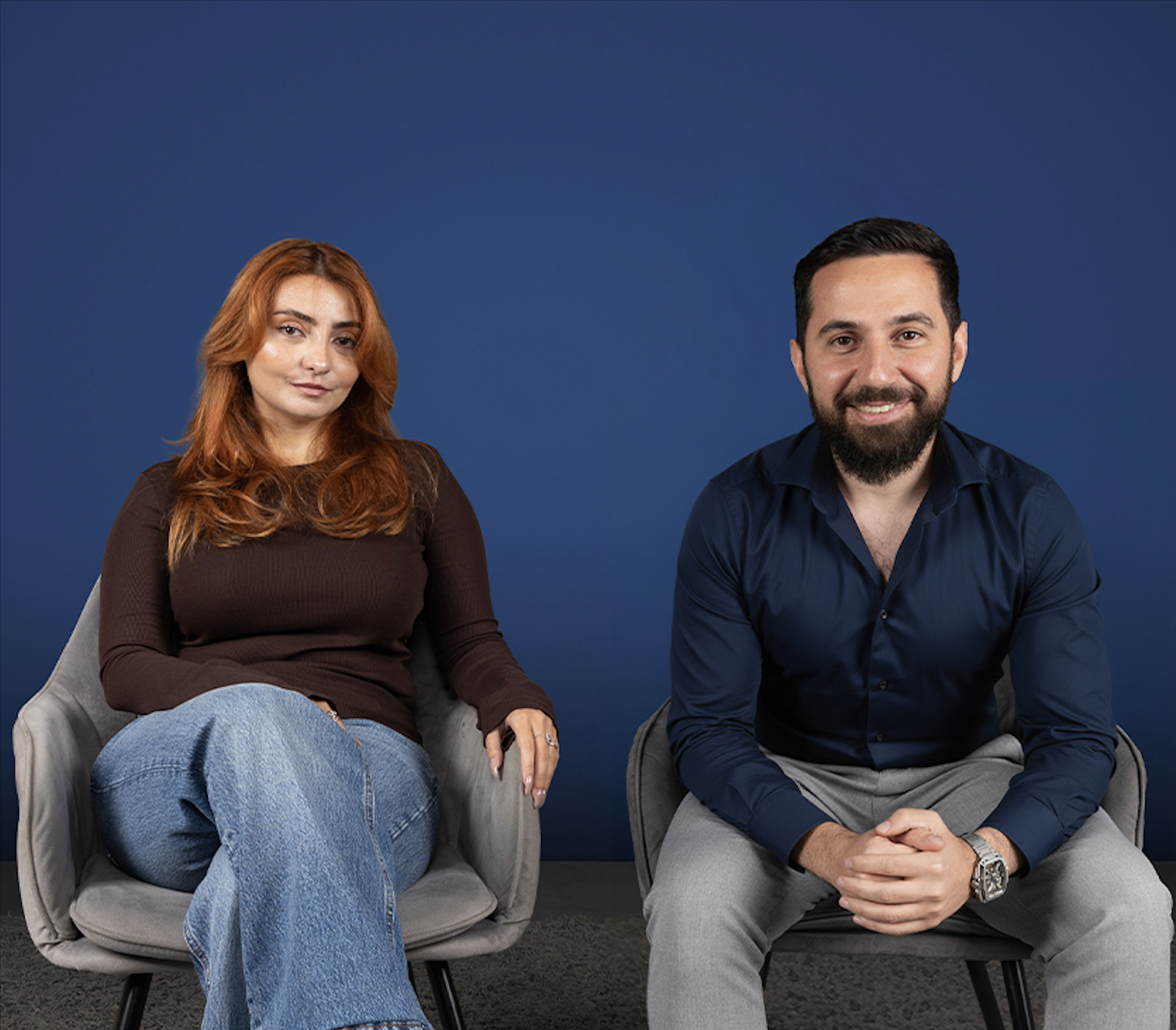
Seven years in crowdfunding is basically a lifetime, and Norayr has lived all of it from the inside. He has managed campaigns that have raised more than 53 million dollars, helped early-stage founders earn their first believers, and supported established brands as they scaled through launch after launch. His work goes beyond marketing tactics, he has been part of shaping how products enter the world and how creators build trust with early adopters.
Now Norayr serves as COO at TCF, leading both the crowdfunding and ecommerce directions of the company. For this interview, he walks me through what these seven years have taught him and how the landscape is evolving for creators and agencies.
Jasmine: When you look back, how crowdfunding campaign management has changed over the years?
Norayr: The biggest shift is people’s behavior. Crowdfunding backers form their own niche community, and their mindset moves in cycles. Trust moved in waves. It was strong a few years ago, then it dipped hard after too many people had disappointing experiences, and now it’s climbing again. That shaped everything. We tailored almost every activity toward rebuilding trust, making the brand feel real, human, and capable, then moving into product selling.
Now things look a bit better. Trust is slowly increasing, but it still dictates how we plan. Every tactic has evolved with these behavioral changes. Nothing disappeared completely, but everything was rewritten to match new expectations.
Jasmine: After seven years, what keeps you excited about this space?
Norayr: I’ve always been a gadget fan. I love seeing new technology before the world sees it. Crowdfunding keeps your hand on the pulse of innovation. Every month we work on completely different products, and those innovations often end up changing people’s lives.
Seeing the products we worked on grow after launch is always exciting. I stay in touch with many founders, and following their progress feels rewarding. Being in the roots of their success and knowing your team was a big part of it is exciting.
Jasmine: Are there crowdfunding strategies that used to feel essential but don’t really work the same way anymore, or vice versa?
Norayr: Nothing disappeared, but the way everything works has changed. Backer trust dropped for a while, so the tactics that worked by default years ago needed a lot more transparency today. We started putting more focus on showing the real people behind the product. Founder videos, live sessions, PR, influencer collaborations, anything that builds credibility early on.
Backers expect direct communication now, and the impact becomes even stronger with higher priced products. That shift pushed us to build a dedicated B2C sales direction, where a member of our sales team replies to every message, email, and comment from interested backers. This channel consistently adds around 10% in extra revenue, which turned it into one of the strongest parts of the live campaign workflow.
So the core strategies are still there, they are simply adapted to the way backers think and behave today.
Jasmine: What changed in prelaunch preparation?
Norayr: Years ago, we ran simple landing pages, collected leads, and did basic messaging tests. It worked, but it didn’t give us deep insights. With Prelaunch.com, everything changed. Preparation goes much deeper now. We run targeted lead generation, collect paid reservations, build detailed buyer personas, and dig through structured surveys to map real demand. On top of that, we run AI-driven interviews that process patterns far faster than any manual team could. All of this gives us a data set deep enough to design a strategy that is scientifically grounded instead of based on guesswork, so we enter launch day with clarity instead of assumptions.
Crowdfunding runs for 1-1.5 months. Every day is valuable. If you launch with wrong messaging and fix it mid-campaign, you lose momentum. Prelaunch validation lets us enter day one knowing exactly which positioning, messaging and audiences work.
Jasmine: What still remains true about crowdfunding??
Norayr: Crowdfunding is still where new ideas meet early adopters, and that hasn’t changed. Startups use it to introduce products long before they become full companies. The newer layer is that established brands now launch through crowdfunding as well. They use it as a product launch tool rather than for funding.
When well known brands launch through crowdfunding and deliver products that meet expectations, backers walk away with a good experience. That good experience lifts trust across the entire ecosystem. Think of a backer who supported 10 campaigns. If 9 of them failed or the last one showed up in poor quality, they will probably avoid the next campaign entirely. When a strong brand delivers, it breaks that pattern and makes people more willing to support new campaigns again.
Jasmine: What’s a common mistake creators still make?
Norayr: Some founders still think that launching on Kickstarter or Indiegogo with a good product is enough. It hasn’t worked like that for more than a decade. You need strong marketing, enough budget, and proper management to reach big numbers.
Another mistake is coming to agencies too late. Some creators show up saying they want to launch in three weeks. Some rushed campaigns still manage to get results, but the preparation shapes everything. We always recommend reaching out to agencies around six months before launch so there is enough time to build the foundation properly.
When campaigns rush, they spend the live period fixing avoidable issues instead of scaling. That’s how they lose their potential.
Jasmine: What’s a hard lesson you learned in these seven years?
Norayr: Almost all the painful lessons come from campaigns that weren’t prepared properly. There were cases when founders convinced me we could launch fast, fix issues on the way, and it would be fine. Though it is still possible to get good results, but the real success comes from proper groundwork
Jasmine: What about creators who insist on ideas that aren’t backed by data?
Norayr: Founders always bring valuable insight, because they know why they built the product. I love working closely with them. But both sides must rely on data. If something isn’t supported by data, it’s just a hypothesis. We either test it at a small scale or we leave it out.
We rely heavily on data, to the point that we built the entire Prelaunch.com platform around collecting and interpreting it. Strong collaboration happens when both sides stay grounded in data and open to testing.
Jasmine: Is there something people completely misunderstand about how crowdfunding agencies operate?
Norayr: Some creators think we copy-paste strategies from one campaign to another. That doesn’t exist. We spend a full week doing deep product and industry research for each project. Yes, experience helps us avoid dead directions, but every campaign gets its own tailored strategy.
There is no universal formula. That’s the part creators don’t always see.
Jasmine: Where do you see crowdfunding going in the next few years?
Norayr: It’s becoming more trustworthy. Big brands deliver great products through crowdfunding, platforms fight scams more actively, and agencies validate partners more strictly. All of this rebuilds backer confidence.
Because trust is improving, new and reliable brands entering crowdfunding will have better chances of success. Early adopters are becoming more willing to support innovative companies again. That is the direction I expect to grow.
Conclusion
As the conversation comes to a close, the picture that emerges is shaped by seven years of watching campaigns rise, fall, evolve, and reset. The tactics shifted, the channels expanded, and the expectations of backers became sharper, but the work still comes down to the same essentials. Preparation matters. Data matters. Clear communication matters. And the most successful campaigns are built by teams treating creators as partners instead of clients.
Norayr’s experience makes the pattern hard to ignore. The industry moves in cycles, but the teams who stay thoughtful and consistent end up leading those cycles rather than reacting to them. Crowdfunding remains a place where early adopters meet the ideas that push categories forward, and as trust continues to rebuild, the creators who plan with intention will be the ones shaping what happens next.
[[cta2]]



.avif)

.avif)

.jpg)
%20(1).png)