

.jpg)
In this article
Crowdfunding gets talked about like it’s a funding shortcut. Raise some money, build a product, hope it works out.
That’s not what the best companies use it for.
In the right hands, crowdfunding does three things at once: it proves demand in public, builds an early customer base, and creates momentum investors can’t ignore
Some brands use that moment well. A few turn it into something much bigger.
In this article, we’re breaking down 6 companies that started on a crowdfunding platform and scaled into billion-dollar businesses. We’ll look at their campaigns, how they positioned their products, what happened after launch, and what actually drove their growth into serious scale.
Quick Overview of the Companies
1. Oculus VR

Campaign Snapshot
- Kickstarter Campaign
- Year: 2012
- Amount Raised: $2,437,429
- Backers: 9,522
- Product: Oculus Rift developer kit
Most campaigns try to prove a product. Oculus proved a category.
In 2012, Palmer Luckey launched a Kickstarter for a rough but usable VR dev kit. Not polished, not consumer-ready, but enough to get developers paying attention.
That signal scaled fast. And by March 2014, Oculus VR was acquired by Meta for ~$2B.
A dev kit turned into the foundation of Meta’s VR ecosystem. Clean unicorn outcome.
Business Model breakdown
Oculus operates as a platform built around VR hardware.
Core product: VR headsets plus a developer/content ecosystem. The compounding advantage comes from content availability and integrations, not the headset alone.
Revenue logic (post-acquisition): consumer hardware plus platform distribution, reinforced by developer tooling and content partnerships.
The Role of Crowdfunding
Oculus is one of the cases where crowdfunding genuinely changed the trajectory of the brand.
The Kickstarter campaign did three critical things:
- Funded early production: Enough to move from prototype to real dev kits
- Proved demand publicly: Not in a pitch deck, in front of 9,500+ backers
- Created a developer install base: This is the underrated part. Developers started building before consumers even existed
That last point is what made venture funding feel safer and made the acquisition make sense.
Strategic Takeaways (The Part People Try to Copy and Usually Fail)
- Crowdfunding can bootstrap an ecosystem, not only a product. Rare, but extremely powerful when it works.
- Developer-first launches can de-risk platform plays, especially in emerging tech categories.
- Timing matters more than tactics. Oculus rode a real platform shift. Most hardware founders are building incremental products.
And here’s the uncomfortable truth: You can copy the Kickstarter structure. But you can’t copy the market timing that made Oculus explode.
2. Oura
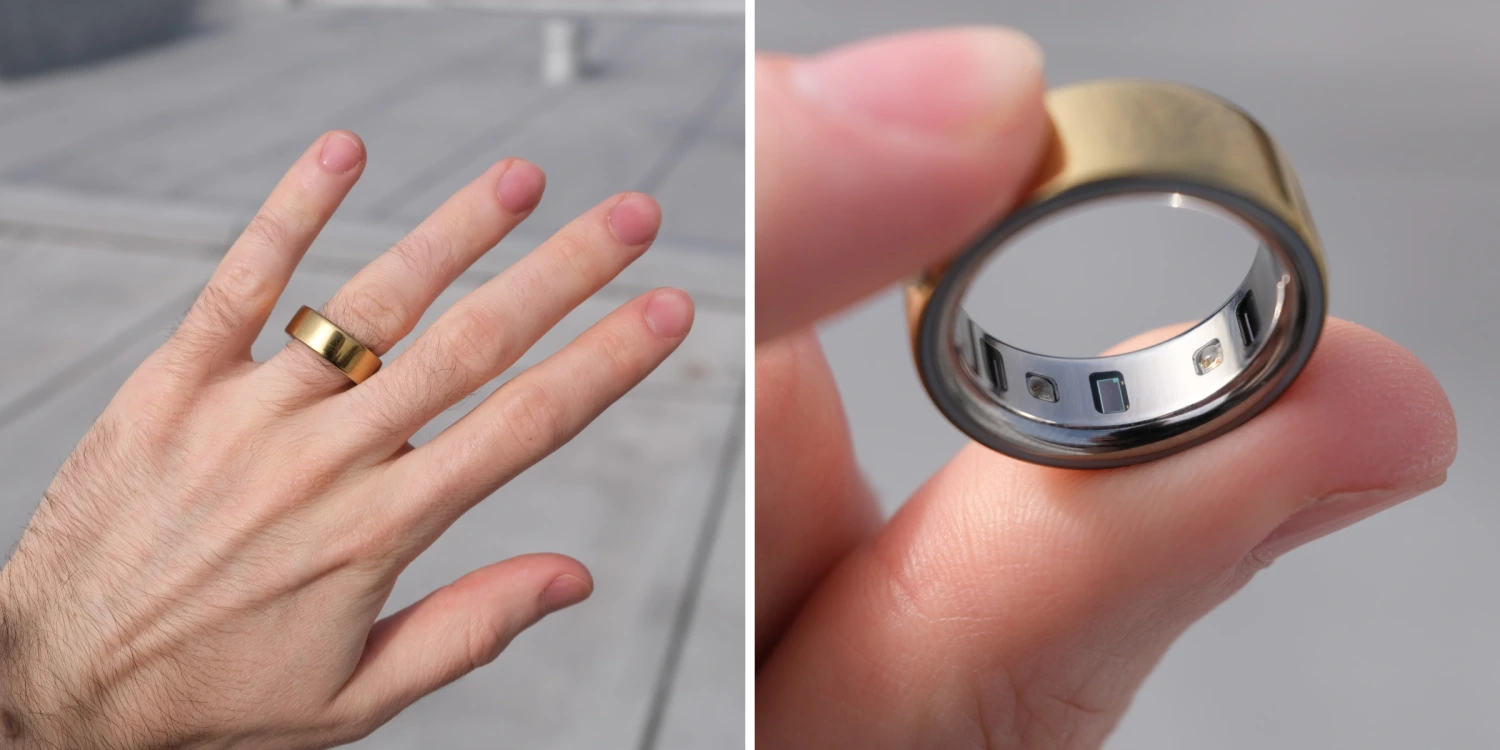
Campaign Snapshot
- Kickstarter Campaign
- Year: 2016
- Amount Raised: $651,803
- Backers: 2,383
- Product: Oura Ring (sleep and recovery tracking wearable)
While most wearables were fighting for space on your wrist, Oura went the opposite direction. Literally.
Founded by Petteri Laaksonen and team, the company introduced a ring that tracked sleep, readiness, and recovery, focusing on what people actually care about but rarely measure well.
It moved away from the typical wearable approach. The product focused on sleep, recovery, and readiness, delivered through a minimal, low-interaction device designed to stay out of the way.
That shift landed.
The Kickstarter proved people were willing to trust a ring as their primary health device. Years later, that bet scaled into a ~$5B+ company.
Business Model Breakdown
Oura combines hardware with a subscription-driven data layer.
- Core product: Oura Ring hardware, paired with app-based insights
- Revenue streams: hardware sales plus subscription membership, which increases lifetime value and supports ongoing algorithm development
- Channels: direct-to-consumer ecommerce, app ecosystem distribution, and partnerships that strengthen credibility in health and wellness contexts
The Role of Crowdfunding
For Oura, crowdfunding solved a very specific problem: convincing people that a ring could replace bulkier wearables. It delivered validation on multiple fronts:
- Form factor validation: Customers accepted the ring as a serious health device
- Early revenue for iteration: Allowed product refinement before large-scale funding
- Credibility boost: Helped position Oura as a legitimate player in health tech
That early traction carried into partnerships, retail expansion, and later-stage funding rounds.
Strategic Takeaways
- Win on one clear job to be done. Oura focused on sleep and recovery, not everything at once
- Hardware opens the door, software builds the business. Subscription insights and data quality drive long-term value
- Differentiation beats feature stacking. Smaller, more focused products can outperform bigger, noisier ones
Saying “health wearable” is easy. Delivering accurate, meaningful insights people trust enough to pay for is where the real work starts.
3. Allbirds
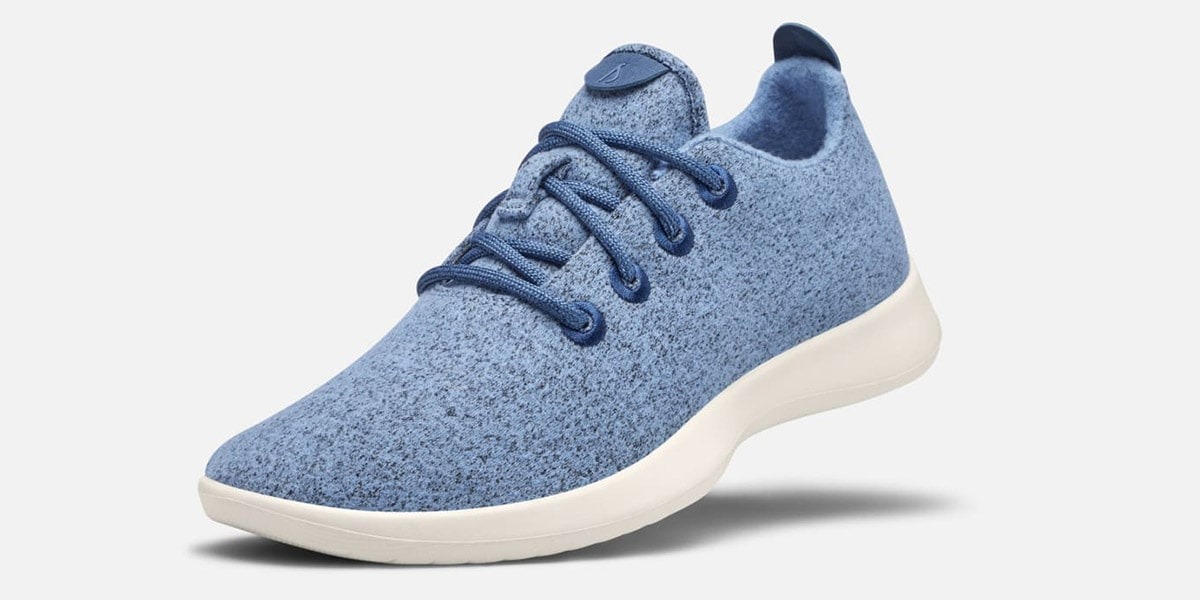
Campaign Snapshot
- Kickstarter Campaign
- Year: 2014
- Amount Raised: $119,196
- Backers: 970
- Product: Wool Runners (lightweight, odor-resistant wool sneakers)
Tim Brown and Joey Zwillinger introduced a simple idea, a comfortable everyday sneaker made from natural wool, designed to be worn without socks and still feel clean.
No loud branding. No overbuilt features. Just comfort, simplicity, and a sustainability angle that felt approachable instead of preachy.
That combination landed instantly. The campaign hit its goal quickly and signaled that eco-friendly products could move beyond niche audiences.
Within a few years, Allbirds scaled into one of the most recognizable DTC footwear brands, reaching a $1B+ valuation before its 2021 IPO.
Business Model Breakdown
Allbirds operates as a DTC brand built around product and material differentiation.
- Core products: Footwear, later expanded into apparel, anchored in proprietary or differentiated natural-material stories
- Revenue streams: Product sales through DTC channels, with retail expansion and selective wholesale in certain phases
- Pricing logic: Premium lifestyle positioning supported by comfort, design simplicity, and material narrative, allowing for higher average selling prices than standard footwear
The Role of Crowdfunding
Kickstarter didn't fund the company long term, but it unlocked a few critical advantages:
- Consumer validation: Proved that sustainability could drive demand, not only brand perception
- Clear positioning: Locked in a product story that was easy to understand and easy to market
- Early customer base: Created a first wave of loyal buyers and feedback
That early traction made it easier to attract capital and scale distribution.
Strategic Takeaways
- Simple products travel further. The easier it is to understand, the faster it spreads
- Sustainability works when it’s tangible. Material, comfort, and daily use mattered more than abstract messaging
- DTC scale requires more than one hero product. Expanding beyond the initial shoe was necessary to support growth
4. Peloton

Campaign Snapshot
- Kickstarter Campaign
- Year: 2013
- Amount Raised: $307,332
- Backers: 297
- Product: Connected indoor bike with live and on-demand classes
In 2013, John Foley introduced a connected bike paired with live and on-demand studio classes, leaderboards, and performance tracking. The experience replicated boutique fitness at home, blending hardware, content, and competition into one system.
That combination changed how the product was perceived. It was competing with gym memberships instead of other bikes.
The Kickstarter raise itself was relatively small. What mattered was proving that people were willing to pay for that bundled experience upfront.
That early signal translated into serious investor confidence.
By 2017, Peloton reached a ~$1.25B valuation. In 2019, it went public, scaling into a multi-billion dollar connected fitness platform built on both hardware sales and recurring subscriptions.
Business Model Breakdown
Peloton operates as a connected fitness system built around hardware and content.
- Core products: Connected bikes and adjacent fitness devices, designed to work alongside a membership experience
- Revenue streams: Hardware sales plus recurring subscription content, where the content library and instructors drive retention
- Channels: Owned retail showrooms and direct-to-consumer sales, supported by the platform experience that keeps users engaged
The Role of Crowdfunding
Even though the capital raised was modest, what the campaign de-risked was bigger:
- Clarity of the offer: The campaign forced the team to present hardware, content, and community as one cohesive product
- Early market validation: Backers confirmed there was demand for a connected at-home fitness experience
- Narrative foundation: The campaign helped shape how Peloton was understood by early adopters and investors
The capital raised did not fund large-scale production. Later venture rounds handled that phase.
Strategic Takeaways
- Crowdfunding can pressure-test bundled products early, especially when the value comes from how multiple components work together.
- Early positioning sets the ceiling for growth. Peloton entered the market as a connected fitness platform, not a premium exercise bike.
- Recurring revenue depends on sustained value delivery. Content quality, instructor appeal, and user engagement determined retention.
5. Ooni

Campaign Snapshot
- Kickstarter Campaign
- Year: 2012
- Amount Raised: £17,136
- Backers: 142
- Product: Portable pellet-powered pizza oven
Kristian Tapaninaho and Darina Garland started with a simple frustration. Making real, high-heat pizza at home was either expensive, bulky, or unrealistic for most people.
Their solution was a compact outdoor oven that could reach the temperatures needed for proper pizza, without requiring a full backyard setup.
The first Kickstarter was small. Almost suspiciously small compared to what the brand became.
But it proved something important. People saw it as an experience.
From there, Ooni kept expanding. New models. New fuel types. More accessibility. By 2025, the company had crossed $1B in cumulative sales and sold millions of ovens worldwide.
Business Model Breakdown
Ooni operates as a product ecosystem built around outdoor cooking.
- Core products: Pizza ovens across fuel types, supported by accessories, ingredients, and adjacent kitchen products that increase order value
- Revenue streams: Hardware sales, high-margin accessories, and consumables, with repeat purchases driven by an enthusiast lifecycle
- Channels: Direct-to-consumer ecommerce, global retail and distribution, plus a creator-driven content ecosystem that turns usage into marketing
The Role of Crowdfunding
For Ooni, crowdfunding acted as a starting point. It provided:
- Manufacturing kickoff: Funded the first production run without outside capital
- Category validation: Confirmed demand for portable, high-heat pizza ovens
- Community foundation: Built an early base of enthusiasts who shaped product evolution
Later campaigns supported new product launches, but scale came from distribution and product expansion.
Strategic Takeaways
- You don’t need a massive campaign to build a massive company. Ooni started small and compounded over time
- Category creation multiplies growth potential. “Portable pizza ovens” became a thing because they made it one
- Ecosystems increase lifetime value. Accessories, ingredients, and upgrades turned one purchase into a long-term customer
Big launch numbers feel good. But consistent product expansion and distribution are what actually build a billion-dollar business.
6. Formlabs

Campaign Snapshot
- Kickstarter Campaign
- Year: 2012
- Amount Raised: $2,945,885
- Backers: 2,068
- Product: FORM 1 (desktop SLA 3D printer)
Max Lobovsky and team introduced a professional-grade 3D printer at a price point that suddenly made sense for designers, engineers, and small studios.
The promise was clear. Industrial-quality printing, without industrial pricing.
That clarity drove strong early demand. More importantly, it attracted the right audience, people who already understood the value and were willing to pay for it.
By 2018, Formlabs reached a $1B+ valuation, becoming one of the rare hardware unicorns built on real product utility.
Business Model Breakdown
Formlabs operates as a hardware-led system with built-in recurring usage.
- Core products: Desktop SLA printers and related systems, paired with proprietary resins and consumables
- Revenue streams: Hardware sales supported by ongoing material purchases, where repeat usage drives long-term customer value
- Channels: Direct online sales, enterprise and education sales, plus ecosystem partnerships that expand adoption
The Role of Crowdfunding
Crowdfunding solved a credibility problem that venture capital couldn't. What it proved:
- Market validation: Proved that professionals were ready to buy at that price point
- Early revenue: Enabled manufacturing without relying entirely on outside capital
- Trust signal: Thousands of paying backers reduced skepticism from investors and partners
That last point matters more than it sounds. Hardware without credibility struggles to scale.
Strategic Takeaways
- Sell to people who already understand the value. Formlabs didn’t need to educate the market from scratch
- Recurring revenue strengthens hardware businesses. Materials and software extended lifetime value beyond the initial sale
- Ecosystems outperform standalone products. Printers alone are fragile, integrated workflows are harder to replace
Conclusion
Crowdfunding gave each of these companies a strong starting point. It helped them validate demand, shape their positioning, and build an early customer base.
From there, growth came through execution. Product expansion, distribution, and consistent delivery turned early traction into long-term scale.
Each example shows how a well-structured campaign can open the door, while the real work happens in everything that follows.
If you’re planning a launch, think of crowdfunding as a way to build momentum early and set up the next stage of growth. What you build after determines if it turns into a success.
[[cta2]]


.avif)


.avif)


.jpg)
%20(1).png)